

Shop by Goal
Shop by Category
Shop by Ingredient
Here's 10$ off from your friend
Discount code copied!
* This offer expires in 3 days
Home/Blog/January Seasonal Produce: Best Fruits, Vegetables and Recipes
January Seasonal Produce: Best Fruits, Vegetables and Recipes
By Joe Boland
December 28, 2025
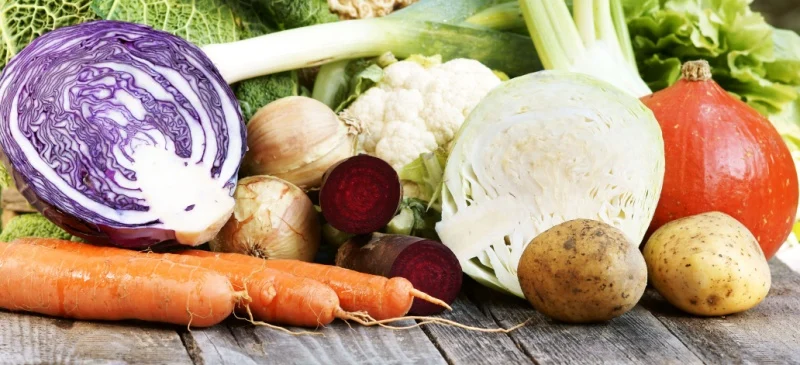
Eating seasonal produce in January ensures you enjoy maximum flavor, nutrition and freshness. Cold-weather crops reach their peak in winter, offering vitamins, minerals, antioxidants and fiber that support immune health, digestion and overall wellness.
So what is the seasonal produce in January? From hearty greens to sweet citrus fruits, this guide covers the best January vegetables and fruits (with many carryovers from December and November seasonal produce), how to select and store them, and tips for preparing delicious winter meals.
Best January vegetables
What vegetables are in season in January? Here are some of the freshest January vegetables to eat in the heart of winter:
1. Beets
Beets are nutrient-dense root vegetables high in folate, potassium, fiber and antioxidants like betalains that support heart health and detoxification. Varieties include red, golden and Chioggia, which has a distinctive striped interior.
How to choose and store: Select firm, smooth roots free of cracks. Remove greens (edible separately), and store in the fridge in a perforated bag for up to three weeks.
How to prepare: Roast, boil or steam beets for salads or soups. Beet greens can be sautéed with garlic or added to grain bowls for extra nutrients. This DIY beauty collagen drink includes beets, orange, strawberry and mint.
2. Broccoli
Broccoli is rich in vitamin C, vitamin K, fiber and sulforaphane, a compound that supports immune health. Varieties include standard broccoli and sprouting broccoli.
How to choose and store: Look for tight, dense florets with firm stalks and deep green color. Refrigerate unwashed in a perforated bag for up to one week.
How to prepare: Steam, roast or sauté broccoli for side dishes, soups or casseroles. It can also be eaten raw in salads or with dips. Cream of broccoli soup is particularly great in January, and this broccoli slaw with apple cider vinegar dressing is another winner.
3. Brussels sprouts
These mini cruciferous vegetables provide fiber, vitamin C, vitamin K and glucosinolates that support liver and heart health. Varieties include Jade Cross and Long Island Improved.
How to choose and store: Choose firm, small to medium sprouts with tight leaves. Store in a perforated bag in the fridge for up to one week to two weeks.
How to prepare: Halve and roast with olive oil, or sauté with shallots and balsamic vinegar. They can also be shredded raw into salads. Try this baked Brussels sprouts with honey glaze recipe.
4. Cabbage
Cabbage is high in vitamin C, vitamin K, fiber and glucosinolates. Varieties include green, red, savoy and Napa cabbage.
How to choose and store: Select dense, firm heads with crisp leaves. Store in the fridge for up to three weeks.
How to prepare: Braise (like in this braised cabbage recipe), sauté, roast or ferment into sauerkraut. It’s ideal in soups, slaws and winter salads.
5. Carrots
Carrots are rich in beta-carotene, fiber, vitamin K and potassium. Varieties include Nantes, Chantenay, Imperator and rainbow carrots.
How to choose and store: Look for firm, smooth roots with vibrant color. Remove greens, and store in the fridge in a damp paper towel for up to a month.
How to prepare: Roast, mash, steam or eat raw in salads. Carrots can also be used in soups, stews and baked goods, such as carrot cake protein bars, vegan carrot mug cake and carrot oatmeal breakfast cake.
6. Celery
Celery is crisp and hydrating, with fiber, vitamin K, folate and antioxidants. Varieties include Pascal, Tall Utah and Golden.
How to choose and store: Select firm stalks with bright green color. Store wrapped in foil in the fridge for up to two weeks.
How to prepare: Eat raw, add to soups or stews, or sauté as part of a French mirepoix. It can also be roasted or braised.
Celery is also a key ingredient in the following recipes:
7. Celery root (celeriac)
Celeriac is a knobby root vegetable rich in fiber, potassium and vitamin C. Varieties include giant Prague, Alabaster and Epoque.
How to choose and store: Pick firm roots without soft spots or cracks. Store in the fridge in a perforated bag for several weeks.
How to prepare: Roast, mash or cube for soups and stews. Shredded raw celeriac works in slaws and gratins as well.
8. Collard greens
Collard greens are high in vitamins A, C and K, along with calcium, and fiber, supporting bone and heart health. Common varieties include Georgia, Vates and Top Bunch.
How to choose and store: Look for firm, dark green leaves free of yellowing. Store in a perforated bag in the fridge for up to a week.
How to prepare: Braise slowly, sauté with garlic, or use young leaves for wraps and salads. Add acid like vinegar or lemon to brighten the flavor. Use collards in this ultimate green juice recipe.
9. Endive
Endive is a crisp, slightly bitter green rich in fiber, folate, vitamin A and antioxidants. Varieties include Belgian, curly and broadleaf.
How to choose and store: Pick tight, pale heads with crisp leaves. Refrigerate in a perforated bag for up to a week.
How to prepare: Eat raw in salads, use as cups for dips or grill/braise to mellow bitterness. Pair with citrus or nuts for flavor balance.
10. Escarole
Escarole is slightly bitter with broad leaves. It’s high in fiber, vitamins A and K, and antioxidants. Varieties include broadleaf and curly.
How to choose and store: Select crisp green leaves without yellowing. Refrigerate in a perforated bag for up to a week.
How to prepare: Add to soups, sauté with garlic and olive oil, or braise with beans and grains. Its mild bitterness complements rich ingredients.
11. Fennel
Fennel has a mild anise flavor and is high in vitamin C, fiber, potassium and phytonutrients. Varieties include Florence fennel and Italian heirlooms.
How to choose and store: Choose firm, compact bulbs with fresh fronds. Refrigerate wrapped in a damp cloth for up to two weeks.
How to prepare: Slice raw into salads, roast, braise or sauté. The fronds can garnish dishes, and stalks can flavor soups or stocks.
12. Kale
Kale is a cold-hardy green rich in vitamins A, C and K, as well as calcium and antioxidants. Varieties include curly, Lacinato and Red Russian.
How to choose and store: Look for deeply colored, firm leaves. Store unwashed in the fridge for up to a week.
How to prepare: Massage for salads, sauté, blend into smoothies or bake into chips. Lacinato works well in soups.
Here are some kale recipes to try:
13. Leeks
Leeks are mild, onion-like vegetables high in vitamin K, manganese and fiber. Varieties include American Flag, King Richard and Carentan.
How to choose and store: Pick firm white stalks with dark green tops. Refrigerate unwashed for up to one week to two weeks.
How to prepare: Sauté, braise, or add to soups and casseroles. They work well in potato leek soup or grain dishes.
14. Parsnips
Parsnips are sweet, nutty root vegetables rich in fiber, potassium, folate and complex carbohydrates. Varieties include Hollow Crown, All Season and White Gem.
How to choose and store: Choose firm, unblemished roots, and refrigerate in a damp paper towel for up to three weeks.
How to prepare: Roast, mash, add to soups or puree. They can also be glazed with honey or maple syrup with other root vegetables. Parsnips are especially good for winter soups, such as creamy parsnip soup with rosemary.
15. Radicchio
Radicchio is a bitter red leafy vegetable high in fiber, vitamin K and antioxidants. Varieties include Chioggia, Treviso and Castelfranco.
How to choose and store: Select firm, compact heads with vibrant red leaves. Refrigerate in a perforated bag for up to a week.
How to prepare: Shred into salads, grill, roast, or sauté with olive oil and balsamic. It pairs well with nuts, cheese and citrus.
16. Rutabaga
Rutabaga is a sweet, dense root vegetable high in fiber, vitamin C, potassium and complex carbohydrates. Varieties include Laurentian, American Purple Top and Swedish Yellow.
How to choose and store: Choose firm, blemish-free roots, and store in a cool, dark place for several weeks.
How to prepare: Roast, mash, or add to soups and stews. It can also be pureed with butter and nutmeg.
17. Spinach
Spinach is rich in iron, magnesium and antioxidants, along with vitamins A, C and K. Varieties include flat-leaf and savoy (curly) spinach.
How to choose and store: Pick vibrant green, crisp leaves. Refrigerate unwashed in a ventilated container for five to seven days.
How to prepare: Eat raw in salads, sauté with garlic, or add to soups, omelets and smoothies. Pair with healthy fats to enhance nutrient absorption. Start your day off right with this high-protein breakfast bowl that includes spinach or a spinach goat cheese frittata.
18. Swiss chard
Swiss chard is high in vitamins A, C and K, and it provides magnesium, potassium and betalain antioxidants too. Varieties include rainbow chard and green chard.
How to choose and store: Look for crisp leaves and firm stems. Refrigerate loosely wrapped in a damp cloth for up to a week.
How to prepare: Sauté leaves and stems with olive oil and garlic, use as wraps, or add to soups, stews and frittatas.
19. Sweet potatoes
Sweet potatoes are rich in beta-carotene, fiber, vitamin C, potassium and complex carbs. Varieties include Beauregard, Jewel and purple-fleshed types.
How to choose and store: Select firm, smooth roots with no bruises. Store in a cool, dark place for several weeks.
How to prepare: Roast, mash, bake or cube for soups and stews. They can also be used in fries, gratins and desserts.
Try these sweet potato recipes:
20. Turnips
Turnips are low-calorie root vegetables high in vitamin C, fiber and potassium. Varieties include Hakurei and traditional purple-top turnips.
How to choose and store: Pick firm, small to medium roots free of cracks. Store in the fridge for up to two weeks.
How to prepare: Roast, mash, boil, or add to soups and stews. Turnip greens can be sautéed for added nutrients.
21. Winter squash
Winter squash are hard-skinned squash harvested in fall and stored through winter, making them a staple of January seasonal produce. They are rich in complex carbohydrates, fiber, vitamin A (as beta-carotene), vitamin C, potassium and antioxidant compounds that support immune and metabolic health.
Common January varieties include butternut, acorn, spaghetti, delicata, kabocha and hubbard squash, each with slightly different textures and flavor profiles.
How to choose and store: Choose winter squash that feel heavy for their size with hard, matte skin free of soft spots, cracks or mold. Intact stems are a good sign of freshness and longer storage potential.
Whole winter squash can be stored in a cool, dry place for several weeks to months, while cut squash should be wrapped tightly and refrigerated for up to one week.
How to prepare: Winter squash can be roasted, baked, steamed or pureed, making it extremely versatile for January foods. Popular preparations include roasted butternut squash cubes, acorn squash halves stuffed with grains or spaghetti squash served with sauces as a pasta alternative. Winter squash also works well in soups, stews, curries, casseroles, and even baked goods like muffins and breads.
Here are some winter squash recipes to make:
Here are a few more popular January vegetables:
cauliflower
bok choy
kohlrabi
mushrooms
potatoes
onions
peas
Best January fruits
What fruits are in season in January? The following January fruits are typically at their peaks when the weather is at its coldest.
1. Apples
Apples are sweet, tart fruits rich in fiber, vitamin C and polyphenols that support heart health and digestion. Varieties include Fuji, Honeycrisp, Gala, Braeburn and Granny Smith.
How to choose and store: Select firm apples without bruises. Refrigerate in the crisper drawer for several weeks.
How to prepare: Eat raw, bake, stew, or add to salads, oatmeal and desserts. Apples pair well with cinnamon, nuts and grains.
Here are some tasty apple recipes to make:
2. Cranberries
Cranberries are tart red berries high in vitamin C, fiber and antioxidants, such as proanthocyanidins. Varieties include American, European and hybrid types.
How to choose and store: Pick firm, plump berries without wrinkles or soft spots. Refrigerate for up to a month, or freeze for longer storage.
How to prepare: Use in sauces, muffins, salads, smoothies or roasted vegetable dishes. Combine with sweeteners, citrus, or spices to balance tartness. These cranberry almond energy bites are perfect for this time of year.
3. Grapefruit
Grapefruit is a tart citrus fruit rich in vitamin C, vitamin A, fiber and antioxidants. Varieties include pink, red and white grapefruit.
How to choose and store: Pick firm, heavy fruits with smooth skin. Store at room temperature for several days, or refrigerate for up to two weeks.
How to prepare: Eat fresh, broil with honey or add pieces to salads. Grapefruit juice can be used in dressings and marinades.
4. Kiwifruit
Kiwi is high in vitamin C, vitamin K, fiber and antioxidants. Varieties include green and gold kiwis.
How to choose and store: Select firm kiwis with slight give for ripeness. Store at room temperature until ripe, and then refrigerate for up to a week.
How to prepare: Eat fresh, or add to salads, smoothies, yogurt or oatmeal. Kiwi can also be used in sauces and desserts. This pre-workout smoothie includes kiwi.
5. Lemons
Lemons are tart citrus fruits high in vitamin C, potassium and flavonoids. Varieties include Eureka, Lisbon and Meyer lemons.
How to choose and store: Pick firm, bright yellow fruits without soft spots. Store at room temperature for up to a week, or refrigerate for several weeks.
How to prepare: Use juice and zest for beverages, dressings, sauces and marinades. Lemon enhances flavor in both sweet and savory dishes.
The following recipes are great ways to use lemons:
6. Limes
Limes are small, tart citrus fruits rich in vitamin C and flavonoids. Varieties include Persian (Tahiti) and key limes.
How to choose and store: Choose firm, heavy limes with smooth skin. Store at room temperature, or refrigerate for up to two weeks.
How to prepare: Use juice and zest in beverages, dressings, marinades, sauces and desserts. Lime pairs well with seafood, poultry and grains.
You can also use lime to make the following:
7. Mandarins
Mandarins are small, sweet citrus fruits rich in vitamin C, fiber, flavonoids and antioxidants that support immune and skin health. Common varieties available in January include clementines, Satsumas and Murcott mandarins. Their thinner skins and lower acidity make them especially popular during winter.
How to choose and store: Choose mandarins that feel heavy for their size with smooth, bright skins. Store at room temperature for several days, or refrigerate to extend freshness for up to two weeks.
How to prepare: Eat fresh as a snack, add pieces to salads, or use the juice in dressings and marinades. Mandarins also work well in baked goods, yogurt bowls and citrus sauces.
8. Oranges
Oranges are a classic winter citrus fruit packed with vitamin C, potassium, fiber and antioxidant compounds. January varieties include navel, blood oranges, Valencia and Cara Cara oranges. Seasonal oranges tend to be sweeter and juicier during winter months.
How to choose and store: Look for firm oranges that feel heavy with smooth, tight skin. Store at room temperature for short-term use, or refrigerate for up to three weeks.
How to prepare: Enjoy fresh, juiced or sliced into salads. Oranges also pair well with roasted vegetables, seafood and desserts. If you want to think of warm weather during the dead of winter, make this tropical smoothie that includes orange.
9. Pears
Pears are sweet, juicy fruits rich in fiber, vitamin C and polyphenols that support digestion and heart health. January varieties include Bosc, Anjou, Comice and Bartlett pears. Their texture ranges from crisp to buttery depending on ripeness and type.
How to choose and store: Select pears free of bruises, and allow them to ripen at room temperature. Once ripe, refrigerate to slow further ripening.
How to prepare: Eat fresh, slice into salads or bake with spices. Pears also work well poached, roasted or blended into smoothies.
10. Persimmons
Persimmons are sweet, honey-like fruits high in fiber, vitamin A, vitamin C and antioxidants. Common varieties include Fuyu (non-astringent) and Hachiya (astringent). They are especially abundant in late fall and winter.
How to choose and store: Choose firm Fuyu persimmons or very soft, fully ripe Hachiyas. Store at room temperature until ripe, and then refrigerate.
How to prepare: Eat fresh, slice into salads, or bake into breads and desserts. Persimmons pair well with yogurt, nuts and winter spices.
11. Pomelos
Pomelos are large citrus fruits with mild sweetness and low acidity, rich in vitamin C, fiber and antioxidants. Varieties include white, pink and red pomelos. They are often less bitter than grapefruit.
How to choose and store: Select heavy pomelos with firm, pale yellow skin. Store at room temperature for several days, or refrigerate for longer storage.
How to prepare: Peel and eat fresh, add to salads, or use pieces in citrus bowls. Pomelos pair well with herbs, greens and seafood.
12. Pomegranates
Pomegranates are antioxidant-rich fruits high in vitamin C, fiber, potassium and polyphenols. Varieties include Wonderful, Angel Red and Granada. January is peak season for fresh pomegranates in many regions.
How to choose and store: Choose heavy fruits with firm skin and deep color. Store whole pomegranates at room temperature, or refrigerate for up to a month.
How to prepare: Sprinkle pomegranate seeds over salads, yogurt or roasted vegetables. Use the juice in sauces, dressings or beverages for added brightness. This pomegranate mocktail is excellent in the winter.
13. Tangerines
Tangerines are a type of mandarin with a slightly tangier flavor, offering vitamin C, fiber and antioxidants. Varieties include Honey tangerines and Dancy tangerines. They are a staple of winter produce selections.
How to choose and store: Look for firm fruits with bright orange skins. Store at room temperature for short periods, or refrigerate to extend shelf life.
How to prepare: Eat fresh, add to fruit salads, or use juice and zest in baking and sauces. Tangerines complement both sweet and savory dishes.
Here are a few more popular January fruits:
avocado
bananas
kumquat
sumo citrus
mango
strawberries
tangelos
Conclusion
January seasonal produce offers a wide variety of nutrient-dense vegetables and fruits that thrive in colder weather and deliver peak flavor and nutrition. From hearty root vegetables and leafy greens to vibrant citrus and winter fruits, January foods support immune health, digestion and overall wellness during the colder months.
By choosing seasonal January produce, you not only improve the quality and taste of your meals, but also support more sustainable food systems. Whether roasting vegetables, preparing warming soups or adding fresh citrus to winter dishes, eating with the seasons makes healthy eating both practical and enjoyable all winter long.
Related Articles
December 27, 2025
|health
10 Realistic 2026 New Year's Resolutions for a Healthier You
Are you ready to set some realistic New Year's Resolutions when it comes to your health? While some resolutions revolve around our personal habits that we hope to either remove or improve upon, here we're talking about resolutions that directly affect how we look and feel, including having more energy, improving our gut health, maybe losing some weight.
December 22, 2025
|health
10 Wellness Microadventures for 2026
Have you heard of wellness microadventures? They are short, simple escapes — usually lasting a few hours to a couple of days — designed to improve mental, physical and emotional well-being, without requiring long travel, big budgets or elaborate planning.
December 12, 2025
|health
18 Wellness Trends We're Likely to See in 2026
The world of wellness is evolving faster than ever. It’s shaped by personalized health innovations, nutritional breakthroughs, ever-changing work-life dynamics, and a renewed focus on deep rest, nourishment and meaningful human connection. Heading into 2026, wellness is becoming more intentional, integrated and aligned with how people actually live day to day.
December 16, 2025
|health
40 Superfoods for Stress Management
Stress has become a daily companion for many people, driven by fast-paced schedules, digital overload, poor sleep and nutrient-depleted diets. While stress is a natural physiological response, too much stress can negatively impact hormone balance, key nutrients, digestion, the immune system and negatively affect mood and energy levels.




- © 2010-26 Ancient Brands, LLC. All rights reserved.
- Terms of Use
- Privacy Policy
- CPRA Privacy Policy/Notice of Collection
- Do Not Sell or Share My Personal Information
- Consumer Health Data Privacy Policy