

Shop by Goal
Shop by Category
Shop by Ingredient
Here's 10$ off from your friend
Discount code copied!
* This offer expires in 3 days
Home/Blog/December Seasonal Produce: Best Vegetables and Fruits
December Seasonal Produce: Best Vegetables and Fruits
By Joe Boland
December 2, 2025
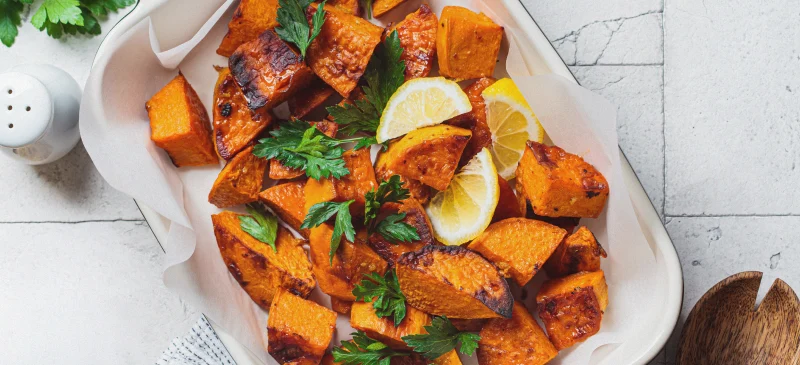
December is a powerhouse month for seasonal foods. While winter may feel like a time of scarcity, it’s actually one of the best seasons for nutrient-dense root veggies, hardy greens, citrus fruits and other produce that thrives in cooler temperatures. Choosing December seasonal produce not only gives you the freshest flavor and highest nutrient content, but it also supports sustainable eating and often saves money at the grocery store.
What is the seasonal produce in December? Many December foods carry over from November seasonal produce, with an introduction of more winter fruits and vegetables as the calendar flips from autumn to winter.
Below you’ll find a comprehensive guide to the best December vegetables, December fruits and other December foods, including how to select, store and prepare each one … plus delicious recipe ideas.
Best December vegetables
What vegetables are in season in December? Below are 12 vegetables at peak freshness in December.
1. Sweet potatoes
Sweet potatoes are dense, sweet root vegetables rich in beta-carotene, vitamin C, potassium, manganese and soluble fiber. Their high antioxidant content makes them excellent for supporting a healthy immune system and gut health.
Common varieties include Beauregard, Jewel, Covington, Hannah (white-fleshed) and Japanese Satsumaimo.
How to choose and store: Choose sweet potatoes that feel firm, have smooth skin, and show no signs of sprouting, bruising or mushy spots. Avoid those stored in cold areas (which can alter their flavor).
Store them in a cool, dry, dark pantry (never the fridge) to prevent hardening and off-flavors.
How to prepare:
Roast with cinnamon and sea salt
Mash with butter or ghee
Add to soups or stews
Recipe ideas: sweet potato hash, sweet potato fries, sweet potato purée
Here are a few more sweet potato recipes to try:
2. Butternut squash
Butternut squash is a winter squash with sweet orange flesh packed with vitamin A, vitamin C, magnesium, potassium and carotenoid antioxidants. Varieties include the classic Waltham, smaller Honeynut and Autumn Glow hybrids.
How to choose and store: Select squash that feels heavy for its size, with a uniform beige color, and firm skin free from cuts or soft spots. Make sure the skin is matte and not shiny as well.
Store whole squash in a pantry for up to a month, and store cut pieces in the fridge for up to five days.
How to prepare:
Roast cubes with rosemary
Purée into a creamy winter soup
Spiralize into “noodles”
Recipes: butternut squash soup, roasted squash bowls
Here are some more butternut squash recipes to make:
3. Brussels sprouts
Brussels sprouts are nutrient-dense cruciferous vegetables full of vitamin K, vitamin C, folate, fiber, antioxidants and sulfur-rich compounds that support detox processes. Varieties include Long Island Improved, Diablo and Churchill.
How to choose and store: Pick sprouts with tight, bright green heads and no yellowing or wilting. Smaller sprouts tend to be sweeter.
Store refrigerated in a breathable bag for up to one week.
How to prepare:
Roast with balsamic glaze
Shred into salads
Pan-sauté with garlic
Recipes: roasted Brussels sprouts with maple, Brussels slaw
This baked Brussels sprouts with honey glaze recipe is a surefire winner.
4. Carrots
Carrots are crunchy root vegetables high in beta-carotene, biotin, vitamin K, potassium and antioxidants. Varieties include Imperator, Nantes, Parisian, Danvers and colorful heirloom rainbow carrots.
How to choose and store: Look for carrots that are smooth, firm and brightly colored without cracks. If tops are attached, they should be fresh and green.
Store carrots in the crisper drawer, and remove the greens to prevent moisture loss.
How to prepare:
Roast with herbs
Add to bone broth
Shave into salads
Recipes: carrot-ginger soup, roasted rainbow carrots
Here are other ways to utilize carrots in recipes:
5. Kale
Kale thrives in cold weather and becomes sweeter after frost. It's rich in vitamin A, vitamin C, vitamin K, calcium, magnesium and plant phytonutrients.
Popular varieties include Curly, Lacinato (Dinosaur) and Red Russian.
How to choose and store: Choose kale with crisp, sturdy, dark leaves and no yellowing. Store unwashed in the fridge wrapped in a paper towel for optimal moisture balance.
How to prepare:
Massage into salads
Add to smoothies
Sauté with garlic
Recipes: kale Caesar salad, kale chips
Here are more kale recipes:
6. Cabbage
Cabbage is packed with vitamin C, vitamin K, fiber, sulforaphane and water for hydration. Varieties include green, red, Savoy and Napa.
How to choose and store: Select heavy, compact heads with fresh-looking outer leaves. Store whole heads in the refrigerator for several weeks. Cut cabbage should be wrapped tightly and used within a few days.
How to prepare:
Shred for slaws
Add to soups
Ferment into sauerkraut
Recipes: cabbage stir-fry, stuffed cabbage rolls
Braised cabbage is a classic recipe that’s easy to make and delicious to eat.
7. Beets
Beets are earthy root vegetables high in folate, manganese, potassium, nitrates and antioxidants like betalains. Varieties include red, golden, Chioggia (candy striped) and Cylindra.
How to choose and store: Choose firm beets with vibrant greens attached. The greens are edible too.
Store the roots in the fridge. Remove the greens, and store them separately. Roots keep for weeks in the fridge, while greens require use within a few days.
How to prepare:
Roast whole
Spiralize for salads
Add to smoothies
Recipes: beet salad with goat cheese, roasted beet hummus
This DIY beauty collagen drink with beet, orange, strawberry and mint is an interesting way to utilize beets.
8. Leeks
Leeks have a mild, sweet onion-like flavor and contain vitamin K, manganese, prebiotic fiber and antioxidants. Varieties include American Flag, King Richard and Giant Musselburgh.
How to choose and store: Choose leeks with white stalks that are straight and firm, with crisp dark green tops. Store in the crisper drawer for up to a week.
How to prepare:
Add to soups
Sauté for egg dishes
Braise with herbs
Recipes: potato leek soup, braised leeks
This homemade chicken soup includes leeks.
9. Winter radishes
Crisp, peppery and high in vitamin C, winter radishes grow larger than spring varieties. They are also milder than spring varieties and high in fiber and sulfur compounds.
Varieties include Daikon, Watermelon radish, Black Spanish and Green Luobo.
How to choose and store: Select smooth, firm radishes without cracks or soft spots. Store in the fridge, where they last several weeks.
How to prepare:
Slice into salads
Roast for a milder flavor
Pickle for bowls
Recipes: Daikon stir-fry, pickled radishes
10. Parsnips
Parsnips are sweet root vegetables rich in fiber, vitamin C, folate, potassium and natural sugars that intensify with cold weather. Varieties include Harris Model, Albion and Cobham Improved.
How to choose and store: Choose smaller or medium parsnips for better texture and flavor. (Large ones can be woody.) Store in the refrigerator, ideally in a perforated bag.
How to prepare:
Roast with honey
Add to pureed soups
Spiralize for a pasta alternative
Recipes: parsnip mash, roasted parsnips
This creamy parsnip soup with rosemary is perfect for a cold December day.
11. Collard greens
Collard greens are hearty winter greens that provide vitamin K, vitamin A, vitamin C, calcium and antioxidants. Popular varieties include Georgia Southern, Champion and Vates.
How to choose and store: Choose crisp, deep green leaves without yellowing or holes. Store wrapped in the fridge, and use within four to six days.
How to prepare:
Braise with broth
Add to soups
Use as a wrap instead of tortillas
Recipes: collard green wraps, braised collards
12. Artichokes
Artichokes are fiber-rich flowering vegetables packed with vitamin C, vitamin K, magnesium, potassium and antioxidants like cynarin, which is known for supporting digestion and liver health. Varieties include Globe, Green Globe Improved, Imperial Star and Baby Anzio.
How to choose and store: Choose artichokes that are heavy, tight-leafed and squeak slightly when squeezed (a sign of freshness). The leaves should be firm, not wilted.
Store unwashed in the refrigerator, ideally in a perforated plastic bag, for up to one week.
How to prepare:
Steam whole
Roast halves with olive oil and herbs
Grill for smoky flavor
Recipes: steamed artichokes with lemon butter, roasted herb artichokes
Other December vegetables
This can include:
broccoli
peas
pumpkin
spinach
arugula
bok choy
cauliflower
chicory
delicata squash
endive
fennel
mushrooms
onions
potatoes
radicchio
rutabagas
spaghetti squash
Swiss chard
watercress
celery
winter squash
kohlrabi
romanesco
celery root
Best December fruits
What fruits are in season in December? These fruits are at their peak in December and offer powerful nutrients and vibrant flavor.
1. Oranges
Oranges are vitamin C-rich citrus fruits also containing folate, potassium and antioxidants. Popular varieties include Navel, Cara Cara, Valencia and Hamlin.
How to choose and store: Select oranges that feel heavy for their size with bright, firm skin. Store at room temperature for up to a week, or refrigerate to extend freshness.
How to prepare:
Eat fresh
Juice into dressings
Add to winter salads
Recipes: citrus salad, orange vinaigrette
This citrus-flavored electrolyte drink is a great way to enjoy oranges.
2. Clementines
Clementines are easy-peel citrus fruits rich in vitamin C, folate and antioxidants. They belong to the mandarin family.
Commercial brands include Cuties and Halos.
How to choose and store: Choose glossy, heavy, firm clementines with no mushy spots. Store in a cool location, or refrigerate for up to two to three weeks.
How to prepare:
Snack on raw
Add to yogurt bowls
Use zest for baking
Recipes: clementine smoothies, citrus salsa
3. Grapefruit
Grapefruits are packed with vitamin C, vitamin A, lycopene and phytonutrients. Varieties include Ruby Red, pink, white and Oro Blanco.
How to choose and store: Look for heavy fruits with smooth, thin skin. Refrigerate to maintain juiciness and extend shelf life.
How to prepare:
Broil with honey
Add to salads
Juice for morning drinks
Recipes: grapefruit-avocado salad, broiled citrus halves
4. Pears
Pears are high in fiber, vitamin C and antioxidants. Popular varieties include Bartlett, Anjou, Bosc, Comice and Seckel.
How to choose and store: Allow pears to ripen at room temperature until they give slightly at the neck. To check, gently press the neck of a pear. Slight softness indicates ripeness.
Store unripe pears at room temperature, and then refrigerate once they’re ripe.
How to prepare:
Poach in spices
Slice onto salads
Bake into crisps
Recipes: poached pears, pear-cranberry crisp
5. Apples
Apples supply fiber, vitamin C, polyphenols and beneficial plant compounds. Varieties include Fuji, Pink Lady, Honeycrisp, Gala and Braeburn.
How to choose and store: Choose firm apples with smooth skin and no bruises. Store in the refrigerator to maintain crispness.
How to prepare:
Bake with cinnamon
Add to slaws
Add to soups for sweetness
Recipes: baked apples, apple-cinnamon oatmeal
Here are more apple recipes to make:
6. Pomegranates
Pomegranates are loaded with vitamin C, polyphenols, fiber and antioxidants like punicalagins. Varieties include Wonderful, Angel Red and Grenada.
How to choose and store: Choose fruits that feel heavy with smooth, taut skin. Store refrigerated for up to a month.
How to prepare:
Use seeds in salads
Add to yogurt
Blend into smoothies
Recipes: pomegranate salsa, winter salads
This pomegranate mocktail is perfect for the holiday season.
7. Cranberries
Cranberries are tart berries high in vitamin C, manganese, fiber and antioxidant compounds. Varieties include red, Black Veil and Pilgrim.
How to choose and store: Select firm, bright, glossy cranberries that bounce when dropped. Store refrigerated, or freeze for long-term use.
How to prepare:
Cook into chutney
Add to oatmeal
Bake into muffins
Recipes: cranberry compote, cranberry muffins
Cranberry almond energy bites are a yummy way to enjoy this fruit.
8. Kiwis
Kiwis contain vitamin C, vitamin K, fiber, folate and enzymes that can support a healthy digestive system. Varieties include green, golden and hardy kiwifruit.
How to choose and store: Ripe kiwis yield slightly to pressure. Store unripe kiwis at room temp and ripe ones in the fridge.
How to prepare:
Slice for salads
Blend into smoothies
Top yogurt bowls
Recipes: kiwi salsa, kiwi smoothie
This pre-workout smoothie includes kiwi.
9. Persimmons
Persimmons are rich in vitamin A, antioxidants, manganese and fiber. Varieties include Fuyu (crisp) and Hachiya (soft and jelly-like when ripe).
How to choose and store: Choose bright orange fruits with smooth skin. Hachiya persimmons must be very soft before eating, while Fuyus can be eaten firm.
Store unripe fruit at room temperature until ripened. Once ripened, refrigerate for several weeks.
How to prepare:
Slice Fuyu persimmons raw
Bake into breads
Add to cheese boards
Recipes: persimmon salad, persimmon bread
10. Grapes
Grapes contain vitamin C, vitamin K, polyphenols and hydration-rich natural sugars. There are red, green and black grapes, and varieties include Concord, Red Globe, Cotton Candy, Moon Drops and Thompson seedless.
How to choose and store: Look for firm grapes attached to green, flexible stems. Refrigerate immediately to slow spoilage.
How to prepare:
Freeze for snacks
Add to chicken salads
Roast for a sweet sauce
Recipes: roasted grapes, grape salad
11. Kumquats
Kumquats are tiny citrus fruits eaten whole, including the peel. They’re rich in vitamin C, fiber, flavonoids and essential oils.
Varieties include Nagami (oval-shaped, tart), Meiwa (sweeter, round) and Fukushu.
How to choose and store: Choose bright orange, firm fruits without soft spots. Store on the counter for several days, or refrigerate for up to two weeks.
How to prepare:
Eat whole as a snack
Slice into salads
Simmer into sauces or compotes
Recipes: kumquat and fennel salad, honey-ginger kumquat sauce
12. Bananas
Bananas are available year-round, but winter often brings exceptionally fresh imported fruit. They’re rich in potassium, vitamin B6, vitamin C, fiber and prebiotic resistant starch (especially when slightly green).
Varieties include Cavendish, red bananas, Manzano (apple bananas) and Burro bananas.
How to choose and store: Choose bananas with firm skin and minimal bruising. Let them ripen at room temperature.
To slow ripening, refrigerate. (The peel darkens, but the fruit stays fresh.)
How to prepare:
Eat raw
Blend into smoothies
Bake into breads or muffins
Recipes: banana oatmeal, sautéed bananas with cinnamon
Here are more ways to enjoy bananas:
Other December fruits
This can include:
blood oranges
mandarins
lemons
tangerines
avocados
limes
mango
strawberries
Conclusion
Choosing December seasonal produce helps you enjoy fresher flavor, improved nutrition and more sustainable eating habits. Whether you’re filling your kitchen with December fruits, December vegetables or other winter favorites, this month brings an abundance of delicious, nutrient-dense options.
Related Articles
November 30, 2025
|recipes
Homemade Chicken Soup: High-Protein and High-Nutrient
When the weather gets cold and you can feel your immune system getting a good test, it’s time to make up a nourishing chicken soup. The best version will warm you up on the inside and out while also filling you with nutrition.
September 23, 2026
|recipes
Best 24 High-Protein Snacks
We tend to put a decent amount of thought into our main meals of the day: breakfast, lunch and dinner. Often, we think about each of them in advance, so we plot out what we’re going to whip in the kitchen or order when we’re out. But snack time? Often that’s a spontaneous and not always great decision.
November 21, 2025
|health
How to Lose Fat: 17 Ways
I’m not going to sugarcoat it. Weight loss or fat loss is hard. Even when you do everything right, you rarely experience linear progress, as in steady weight loss week after week. The body, no matter what we say, is not a machine.
November 24, 2025
|recipes
Breakfast Bars Recipe, Plus a Plant-Based Variation
Oats are a main ingredient for many breakfasts, especially oatmeal and overnight oats. A new oat-based recipe is fast becoming popular: breakfast bars, aka baked oatmeal bars.




- © 2010-26 Ancient Brands, LLC. All rights reserved.
- Terms of Use
- Privacy Policy
- CPRA Privacy Policy/Notice of Collection
- Do Not Sell or Share My Personal Information
- Consumer Health Data Privacy Policy