

Shop by Goal
Shop by Category
Shop by Ingredient
Here's 10$ off from your friend
Discount code copied!
* This offer expires in 3 days
Home/Blog/Best 24 High-Protein Snacks
Best 24 High-Protein Snacks
By Ethan Boldt
September 23, 2026
We tend to put a decent amount of thought into our main meals of the day: breakfast, lunch and dinner. Often, we think about each of them in advance, so we plot out what we’re going to whip in the kitchen or order when we’re out. But snack time? Often that’s a spontaneous and not always great decision.
The most common snack is something highly convenient, quick and loaded with carbohydrates, including sugar. We literally grab it and go. Even when it’s a healthy choice like fruit, not taking the time to pair that piece of fruit with protein and healthy fats can end up making us crave something more an hour later and even putting us in the hangry category.
Instead, the low-calorie, high-protein snack is the way to go. Research shows that the body best utilizes protein when it’s spread throughout the day, with roughly 20 to 40 grams absorbed effectively at a time. Instead of trying to meet your needs in one or two large meals, aim to include a meaningful source of protein at every meal and support your intake with high-protein snacks.
Read on to find out how much protein you need, the benefits of high-protein snacks, and then 24 of the best high-protein snacks you can have.
Hit your protein goals: Snacks can help or hinder
Eating more protein supports appetite control, boosts metabolism through its high thermic effect, helps preserve and build lean muscle, supports blood sugar balance, supports healthy aging and recovery, and improves overall body composition — all of which make it easier to maintain energy, strength and a healthy weight. In fact, it’s one of the main ways to lose fat.
How much protein do you need each day? A high-protein diet means anywhere from 30 percent to 50 percent of your dietary intake. That’s equivalent to 1.8 to 2.5 grams of protein per kilogram of body weight — or 0.82 to 1.14 grams of protein per pound of body weight.
If you’re a 150-pound female, that means consuming between 123 to 171 grams of protein per day. If you’re a 200-pound male, it's between 164 and 228 grams of protein per day. To hit those marks, you need a high-protein snack.
In addition, snacks without protein can throw you off, as carb-only snacks digest quickly and don’t keep you full very long. Without protein to slow digestion, high-carb snacks can spike blood sugar — followed by a crash that leads to fatigue, irritability and more cravings. Low-protein snacks tend to be higher in sugar or refined carbs and don’t help preserve muscle mass or increase calorie burn the way protein does.
Benefits of high-protein snacks
High-protein snacks offer several advantages, especially for energy, satiety and body composition. Here are the key benefits of protein snacks:
1. They keep you full longer
Protein is the most satiating macronutrient. It slows digestion, supports blood sugar balance and reduces cravings — especially late-day or evening cravings that tend to derail healthy eating.
2. They support muscle maintenance and growth
High-protein snacks help you hit your daily protein target, which is essential for preserving muscle mass, building muscle and recovering after workouts. This is especially important during weight loss or as we age.
3. They help regulate appetite and metabolism
Protein has a high thermic effect, meaning your body burns more calories digesting protein compared to carbs or fats. This naturally supports metabolic rate and healthy weight management.
4. They help balance blood sugar
Protein slows the absorption of carbohydrates in a meal or snack, smoothing sharp spikes and crashes in blood glucose — helping maintain steady energy and focus.
5. They provide steady, sustained energy
Because protein digests more slowly than carbs, high-protein snacks help maintain consistent energy levels between meals instead of a quick rise and crash.
6. They support healthy aging
Adequate protein supports muscle strength, bone health and physical function over time. Small protein-rich snacks can make it easier to spread intake evenly throughout the day — key for older adults.
7. They’re versatile and easy to pair with nutrient-dense foods
Protein pairs well with fruit, veggies, nuts, seeds and whole grains—making it easy to build balanced snacks that deliver fiber, antioxidants and healthy fats.
Best high-protein snacks
1. Greek yogurt
Greek yogurt is a rich source of complete protein, which helps support muscle recovery, satiety and stable energy throughout the day. Its fermentation process provides beneficial probiotics that promote healthy digestion and overall gut balance.
Protein facts: 20 grams of protein per 1 cup serving of 2 percent Greek yogurt (150 calories)
Combination suggestions: Add berries, nuts or a scoop of collagen/protein for more staying power. Consider making a high-protein yogurt bowl.
2. Low-fat cottage cheese
Cottage cheese offers a substantial amount of slow-digesting casein protein, making it excellent for supporting muscle maintenance and long-lasting fullness. It contains essential nutrients such as selenium, calcium and B vitamins that support healthy immune system function, bone health and energy metabolism.
Cottage cheese is also naturally low in carbohydrates, making it suitable for many eating styles.
Protein facts: 24 grams of protein per 1 cup serving of low-fat cottage cheese (160 calories)
Combination suggestions: Have either sweet (fruit, cinnamon, a little honey) or savory (veggies, everything seasoning).
3. Hard-boiled eggs
Hard-boiled eggs provide high-quality complete protein along with healthy fats that help maintain steady energy and lower hunger. They’re rich in choline, a nutrient essential for brain health, and contain antioxidants like lutein and zeaxanthin that support eye health.
Their portability and convenience make them an ideal nutrient-dense snack.
Protein facts: 12 grams of protein per 2-egg serving (140 calories)
Combination suggestions: Pair with fruit or veggies (like cut-up peppers or sliced cucumber) for a more complete snack.
4. Breakfast bars
The breakfast bar, aka baked oatmeal bars, is a new, easy way to use oats. This compact, handheld bar is made from ingredients like oats, nuts, seeds, dried fruits, protein powders and natural sweeteners. It’s designed to provide a balanced, convenient source of energy.
Protein facts: 10 grams of protein per 2-bar serving (182 calories)
Combination suggestions: Combine with a cup of hot tea for a satisfying snack time.
5. Jerky (beef, turkey, bison, salmon)
Jerky is a concentrated source of high-quality animal protein, which supports muscle recovery, appetite control and stable energy. It’s naturally rich in iron, zinc and B vitamins, all of which are crucial for oxygen transport, immune system function, and energy metabolism.
It’s a practical on-the-go snack, but you should opt for minimally processed versions with low sugar and clean ingredients to maximize nutritional benefits.
Protein facts: 9–12 grams of protein per 1-ounce serving (80–100 calories)
Combination suggestions: Enjoy with a piece of fruit or cut-up veggies.
6. Canned salmon
Canned salmon delivers a powerful combination of lean protein and omega-3 fatty acids, which are well known for supporting heart health, brain function and a healthy inflammatory response. Its convenience and affordability make it an easy way to add nutrient-dense seafood to your diet.
Protein facts: 20 grams of protein per 3-ounce serving (120 calories)
Combination suggestions: Easy to pair with whole-grain crackers or veggies.
7. Protein shake
Tossing your protein powder into a shaker bottle with water does the job, but sometimes you want a protein shake that elevates the experience, delivering fantastic taste and ideal texture alongside the results you seek. Here are four protein shake recipes that use Multi Collagen Advanced Lean powder (you can also go with a whey protein): vanilla, banana, coffee and chocolate.
Want to go even higher in protein? Use whey protein and check out these high-protein smoothies (vanilla or chocolate).
Protein facts: 25 grams of protein for the banana protein shake (27 calories)
Combination suggestions: Each of these protein shakes are balanced in macronutrients, so this will be all that you need.
8. Macro sports bar
Want to make your own sports bar? Check out this macro sports bar recipe that uses nutrient-dense ingredients that blend together very easily and deliver a perfectly balanced chocolate protein bar.
Protein facts: 8 grams of protein per bar (204 calories)
Combination suggestions: Add some pumpkin seeds to up the protein content a bit.
9. Chocolate collagen bar
Because an increasingly high percentage of people want more collagen in their diet, collagen bar recipes are becoming popular. Look no further than this one that includes nearly a full serving of collagen for each serving.
Protein facts: 13 grams of protein per bar (178 calories)
Combination suggestions: Pair with a cup of coffee or espresso.
10. Peanut butter cookie
Sometimes we just want a cookie for our snack, but we also know that sugar count and lack of protein make it a problem. Instead, make up this peanut butter cookie with Multi Collagen Advanced Lean powder and perfect macros.
Protein facts: 8 grams of protein per cookie (185 calories)
Combination suggestions: Pair with a cup of tea or cup of coffee.
11. Skillet brownie
For others, the brownie is the ultimate snack. But again, hard to find one that contains any decent amount of protein and isn’t loaded with sugar … till now. See this high-protein skillet brownie recipe that is astonishingly easy to put together.
Protein facts: 18 grams of protein per half a skillet brownie (292 calories)
Combination suggestions: Enjoy with your hot beverage of choice.
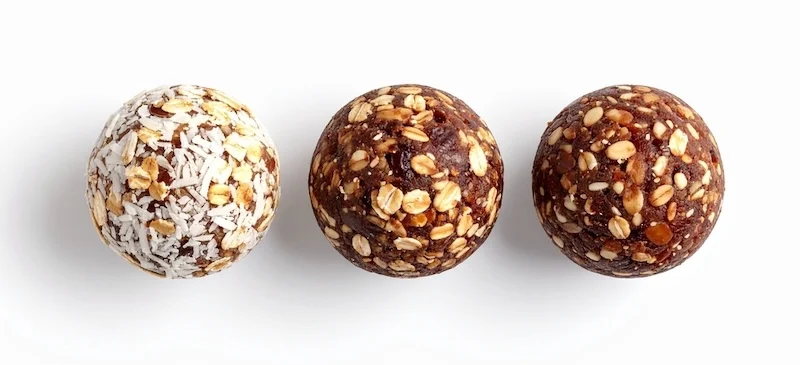
12. Protein ball
Also called energy balls or bites, no-bake protein balls are true to their name, especially if they include complex carbohydrates and performance fats that provide instant energy for you along with protein to aid recovery. This almond butter protein ball also adds the superfood cacao nibs.
Protein facts: 10 grams of protein per ball (191 calories)
Combination suggestions: If you want to go higher in protein, enjoy with low-fat cottage cheese or plain Greek yogurt.
13. Edamame
Edamame provides complete plant-based protein along with significant dietary fiber, making it a satisfying and blood sugar–friendly snack. It’s rich in vitamins and minerals such as folate, vitamin K, iron and magnesium, all of which support energy production and cellular health.
Protein facts: 14 grams of protein per 1 cup serving (130 calories)
Combination suggestions: Enjoy with cut-up veggies or a piece of fruit.
14. Roasted chickpeas
Roasted chickpeas offer a balance of plant protein and fiber that helps regulate digestion, support satiety and help support normal blood sugar levels. They’re naturally rich in minerals like iron, magnesium and potassium, which play vital roles in muscle function and cardiovascular health.
Now, you don't have to buy them! Here's a quick recipe: Preheat the oven to 425°F. Drain and rinse a can of chickpeas, pat them very dry, then toss with a little olive oil, salt and your favorite seasonings. Roast for 20–30 minutes, shaking the pan halfway through, until golden and crispy.
Their crunchy texture makes them a satisfying, healthier alternative to processed snack foods.
Protein facts: 6 grams of protein per one-quarter cup serving (120 calories)
Combination suggestions: Enjoy with some nuts, seeds and dried fruit for your own type of trail mix.
15. String cheese
String cheese provides convenient, portion-controlled dairy protein that helps support muscle maintenance and steady energy. It’s an excellent source of calcium, which is essential for bone health, and also contains vitamin B12 for nerve function.
Its portability makes it a simple, nutrient-dense snack option for both kids and adults.
Protein facts: 7 grams of protein per 1 stick of part-skim mozzarella (80 calories)
Combination suggestions: Pair with an apple, grapes, cucumbers or cherry tomatoes.
16. Almonds
Almonds are packed with healthy monounsaturated fats, plant-based protein and fiber, making them supportive of heart health, satiety and healthy blood sugar levels. They’re among the best natural sources of vitamin E, a powerful antioxidant that supports skin and cellular health.
Protein facts: 6 grams of protein per quarter cup serving (170 calories)
Combination suggestions: Combine with fruit for better balance and fullness.
17. Pumpkin seeds
Pumpkin seeds deliver plant-based protein along with a concentrated source of minerals like magnesium, zinc and iron, which help support the immune system, muscle function and metabolic health. Pumpkin seeds are also rich in tryptophan, an amino acid linked to mood and sleep support.
Protein facts: 9 grams of protein per quarter cup serving (180 calories)
Combination suggestions: Have with some nuts and dried fruit for your own DIY trail mix.
18. Apple with almond butter
An apple contributes fiber, water and antioxidants that support digestion, satiety, and overall cellular health, while peanut butter adds protein and healthy fats that help support healthy blood sugar levels and keep you full longer. Together, they create a balanced snack that mixes carbohydrates, fats and protein.
Protein facts: 7 grams of protein per half an apple and two tablespoons almond butter serving (190 calories)
Combination suggestions: Slice the apple thin and smooth almond butter on top, or just dip apple slices into the almond butter.
19. Celery with peanut butter
Celery with peanut butter is a nutrient-dense, high-satiety snack that combines the fiber and water content of celery with the healthy fats and plant-based protein in peanut butter to keep you full and support healthy blood sugar levels.
The mix of crunch and creamy healthy fats makes this low-calorie but satisfying pairing great for digestion, heart health and hunger control.
Protein facts: 8 grams of protein per 2 celery stick and 2 tablespoons peanut butter serving (210 calories)
Combination suggestions: Enjoy as is or add a few raisins for ants on a log.
20. Hummus and veggies
Hummus blends chickpeas and tahini to provide plant-based protein, fiber and healthy fats — all of which work together to help support healthy blood sugar levels and increase fullness. It’s rich in minerals like iron, magnesium and phosphorus, as well as B vitamins. Paired with vegetables, hummus becomes a balanced, nutrient-packed option.
Protein facts: 8 grams of protein per half-cup hummus and half-cup cut-up sweet peppers (220 calories)
Combination suggestions: Surround a big dollop of hummus with cut-up sweet peppers and perhaps cucumber as well.
21. Baked tofu
Baked tofu offers complete plant protein containing all essential amino acids, making it a strong protein source for vegetarian and vegan diets. Tofu also contains isoflavones — plant compounds that may support cardiovascular health and hormone balance.
Its neutral flavor and firm texture make it easy to add to snacks. Start by pressing the tofu to remove excess moisture, then soak it in a flavorful marinade — like coconut aminos, garlic, ginger or citrus juice — for at least 15–30 minutes so it absorbs seasoning. Before baking, toss it with spices such as smoked paprika, chili powder, garlic powder or everything bagel seasoning to create a savory crust.
Protein facts: 10 grams of protein per 3-ounce serving (90 calories)
Combination suggestions: Serve it with a high-protein dip like spicy peanut sauce, hummus or a soy-ginger dipping sauce. Pairing it with crunchy veggies such as cucumber slices, carrot sticks or snap peas.
22. Chia pudding with added protein
Chia seed pudding delivers a mix of plant-based protein, fiber, and healthy omega-3 fats that help support fullness, gut health and healthy blood sugar levels. Its high soluble-fiber content forms a gel-like texture that supports digestion and promotes long-lasting energy. Try this chocolate chia seed pudding that uses Bone Broth Protein Chocolate for added protein.
Protein facts: 27 grams of protein per 175-gram serving (306 calories)
Combination suggestions: This is an all-in-one snack.
23. Chocolate protein pudding
Notice I didn't say "chocolate pudding." That would be a no-no. Instead, make your own high-protein chocolate pudding, which is easy to make with just a few ingredients, a bowl and a whisk. It contains only 7 grams of sugar.
Protein facts: 28 grams of protein per 306 calorie serving.
Combination suggestions: Enjoy as is or top with coconut whipped cream, shaved dark chocolate and fresh berries.
24. Canned sardines
Canned sardines are loaded with omega-3 fatty acids that support heart health, cognitive function and a healthy inflammatory response. They also provide high-quality protein and are one of the few foods naturally rich in both vitamin D and calcium, thanks to their edible bones.
Protein facts: 22 grams of protein per one 3.75 ounce can (190 calories)
Combination suggestions: Serve with whole grain crackers or cut-up veggies.
Related Articles
November 16, 2025
|health
Multi Protein Supplement Benefits: Animal-Based or Plant-Based
In a world where many of us have difficulty hitting our protein goals, protein powders can play an important role in our nutritional game plans. They’re a very convenient, concentrated form of protein that can be had at breakfast time, snack time, even before bed.
November 14, 2025
|health
Benefits of Creatine for Brain Health
When we hear the word “creatine,” many of us think of strength training, muscle pumps or athletic performance. Yet its story doesn’t end in the gym; it also plays a fascinating role in brain health.
April 22, 2026
|health
How to Reduce Hunger Pangs: 17 Ways
You had a healthy breakfast and lunch. You're on track to a good nutrition day ... but then the afternoon comes and the "hunger pangs" hit. Not just hungry, but the full-out munchies. Before you know it, you've indulged in some unhealthy snacks.
November 13, 2025
|recipes
Pecan Pie Protein Bars
The cost of the average protein bar has never been higher, meanwhile most contain several ultra-processed ingredients and may also contain too much sugar for your taste. Instead, consider making your own protein bar like this pecan pie version. This one is super easy to make and delicious.




- © 2010-26 Ancient Brands, LLC. All rights reserved.
- Terms of Use
- Privacy Policy
- CPRA Privacy Policy/Notice of Collection
- Do Not Sell or Share My Personal Information
- Consumer Health Data Privacy Policy