

Shop by Goal
Shop by Category
Shop by Ingredient
Here's 10$ off from your friend
Discount code copied!
* This offer expires in 3 days
Home/Blog/15 Most Nutrient-Dense Foods on the Planet
15 Most Nutrient-Dense Foods on the Planet
By Joe Boland
July 17, 2026
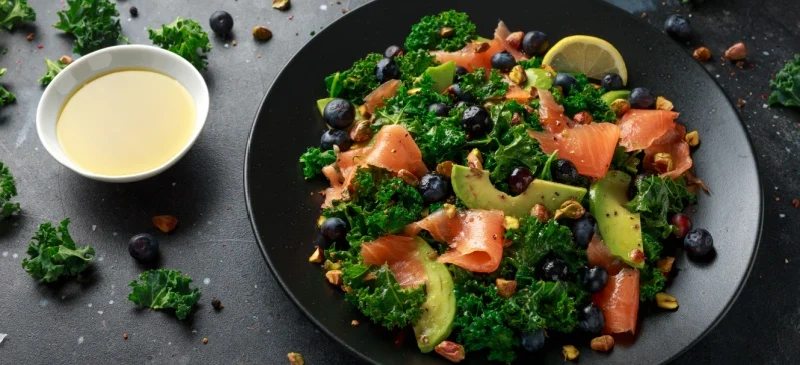
It's logical. If you want to maximize your nutrition and support overall health, you should eat a nutrient-dense diet. Nutrient density refers to how many vitamins, minerals, fiber and other beneficial nutrients a food provides relative to its calories.
Rather than focusing on calorie counting or restrictive diet rules, a nutrient-dense approach emphasizes eating a variety of whole, minimally processed foods that deliver the most nutrition. Incorporating nutrient-dense foods into your diet can support healthy weight management, energy levels, healthy immune system function and overall wellness.
What are the most nutrient-dense foods? Here are the top 15 below. We highlight their nutrition, health benefits and simple ways to add them to your daily meals.
1. Kale
Kale is a leafy green vegetable that’s packed with vitamins A, C and K, as well as antioxidants like quercetin and beta-carotene. As such, eating kale supports heart health, a healthy response to inflammation, strong bones and vision.
Add this leafy green to salads or smoothies, or sauté it with garlic for a quick side dish. Try a collagen kale smoothie or kale quinoa cakes with lemon dill yogurt sauce.
2. Salmon
Rich in omega-3 fatty acids, high-quality protein, B vitamins and selenium, salmon is a nutritional powerhouse. This fatty fish promotes heart health, supports healthy brain function, helps with a healthy inflammation response and more.
Enjoy it grilled, baked or smoked in salads, wraps or alongside veggies.
3. Blueberries
One of the most popular fruits around, blueberries are not only delicious and versatile, but they’re high in vitamin C, vitamin K, fiber and potent antioxidants like anthocyanins. These berries can support proper cognitive function, heart health and a healthy immune system.
Add blueberries to oatmeal or yogurt, or enjoy them on their own as a snack. You can also try a blueberry keto smoothie, blueberry banana smoothie or blueberry lemon chia seed pudding.
4. Eggs
One of the most commonly eaten foods in the world, eggs offer high-quality protein, vitamins B12 and D, and choline, which is essential for brain health. They support normal muscle repair, eye health, healthy brain function and healthy weight management.
Incorporate eggs into omelets, hard-boil for snacks or use in healthy breakfast dishes. You can make egg bites or a veggie frittata with red pepper and red onion.
5. Sardines
They may not be everyone’s favorite fish to eat, but sardines provide a ton of nutrition considering they are rich in omega-3s, protein, calcium, vitamin D and selenium. Thanks to these nutrients, sardines support heart, brain and bone health and they aid with a healthy response to inflammation.
Eat them straight from the can, add to salads or spread on whole-grain crackers.
6. Spinach
Made famous by the fictional character Popeye, spinach needs little introduction, and that’s a good thing given that this popular leafy green is loaded with vitamins A, C and K — plus iron, magnesium, calcium and antioxidants.
This nutritional powerhouse can help with proper immune system function, circulation, bones and more.
Add spinach to salads, smoothies or stir-fries. You can also try the following spinach recipes: spinach goat cheese frittata, ultimate green juice or cleansing collagen smoothie.
7. Broccoli
Broccoli can be eaten raw or cooked, and both are delicious. This green veggie contains vitamins C, K and A, and it provides plenty of folate, potassium and fiber, along with antioxidants like sulforaphane.
It supports healthy immune system function, healthy skin and healthy digestion, and it’s considered one of the most health-promoting vegetables around.
Steam, roast or blend broccoli into soups and stir-fries, or eat it on its own as a fresh veggie snack. You can also make broccoli slaw or cream of broccoli soup.
8. Garlic
While typically not the main ingredient in most dishes, garlic certainly carries its weight in any dish thanks to both its flavor and wealth of nutrients. That’s because garlic is full of vitamins C and B6, manganese, and sulfur compounds like allicin.
This small but powerful spice helps support proper immune function and heart health, and it even can help promote healthy microbial balance.
Add raw garlic to dressings, or sauté it with veggies and meats.
9. Liver
Liver, particularly beef liver, is extremely nutrient-dense and contains plenty of vitamin A, B12, iron, copper and protein. It supports vision, energy levels, brain health and can boost iron intake.
Pan-fry liver with onions, blend into pâté or add to stews.
10. Bone broth
Bone broth is rich in collagen, amino acids, calcium, magnesium and phosphorus. It aids in joint, gut and skin health, and bone broth also can help with a healthy response to inflammation.
You can sip warm bone broth, use it as a base for soups or add it to grains for extra flavor. You can also make your own bone broth at home.
11. Kefir
Kefir is a fermented dairy product packed with probiotics. It also holds a hearty dose of calcium, vitamin D and protein.
Kefir can support a healthy digestive system, proper immune system function and bone strength.
Drink kefir plain, add it to smoothies or use it as a base for dressings. You can also use it to make this papaya strawberry smoothie.
12. Mackerel
Mackerel is another healthy fish that’s rich in omega-3 fatty acids, protein, vitamins D and B12, and selenium. It supports heart health, aids a healthy response to inflammation, helps with proper brain function and promotes healthy skin.
Grill or bake mackerel, or add it to salads and wraps.
13. Black beans
Black beans are one of the most commonly eaten beans. They’re packed with fiber, protein, folate, iron and magnesium.
These beans have been found to support heart health, maintain healthy blood sugar levels (already in the normal range), aid in proper digestion and promote normal muscle repair.
Add black beans to salads or soups, or use them in tacos and burritos.
14. Pumpkin seeds
Pumpkin seeds are a great source of magnesium, zinc, iron and healthy fats, and they can be eaten in a variety of ways. Research shows they help promote heart health, sleep, energy and healthy immune system function.
Snack on roasted pumpkin seeds, sprinkle on salads or add to granola.
15. Avocado
Avocados are true superfoods that are rich in healthy fats, potassium, fiber, and vitamins C, E and K. They support heart health, healthy brain function and healthy skin.
Add avocado to salads, spread on toast, or blend into smoothies and dips. Try this avocado toast with egg recipe, or use it to make green goddess dressing.
Conclusion
The best way to eat a nutrient-dense diet is to build most meals around whole, minimally processed foods — like the ones above — that provide the greatest amount of vitamins, minerals, protein, healthy fats, and fiber for their calories.
Fill your plate with colorful vegetables and fruits, choose high-quality protein sources, include healthy fats like nuts, seeds,and olive oil, opt for whole grains and legumes, and limit ultra-processed foods that are high in added sugars, refined grains and unhealthy fats but low in essential nutrients.
Adding these 15 nutrient-dense foods into your daily meals can help ensure your body receives the essential nutrients it needs without excessive calories. Whole foods like leafy greens, fatty fish, legumes, seeds and fermented foods offer a wealth of health benefits.
In addition to eating these nutrient-dense foods on a regular basis, consider taking nutrition-rich supplements like Ancient Nutrition's Organic SuperGreens Powders (they combine nutrient-dense foods, such as broccoli, spinach and kale, with other super-healthy ingredients like spirulina, chlorella, oat and alfalfa grass), Bone Broth Protein, Regenerative Organic Certified® SuperVeggies, Regenerative Organic Certified® SuperFruits and Grass-Fed Liver.
Related Articles
June 17, 2025
|health
How to Make a Smoothie: Best Ingredients, Including Superfoods, to Add
Let’s say you want to make the best smoothie possible — one that tastes great, is healthy and has perfect texture. You’ve come to the right place.
March 28, 2025
|health
Sunday Reset Checklist: Best Way to Start Your Week
The Sunday reset. It’s an old concept that’s being reawakened on social media. Why? Because it works, and it’s actually fun.
October 2, 2026
|Health
Best Probiotic Foods & Benefits for Your Gut
If you eat a modern, processed diet and don’t regularly eat fermented foods, then chances are you could use more probiotics in your diet.
October 10, 2024
|health
Herbs for Supporting Brain Health and Healthy Cognitive Function
The modern world constantly demands our attention, making it essential to keep our minds sharp, focused and helping to stay away from occasional brain fog. While lifestyle factors like sleep, nutrition and exercise play a crucial role in maintaining cognitive health, many turn to nature’s herbs for brain health function support.




- © 2010-26 Ancient Brands, LLC. All rights reserved.
- Terms of Use
- Privacy Policy
- CPRA Privacy Policy/Notice of Collection
- Do Not Sell or Share My Personal Information
- Consumer Health Data Privacy Policy