

Shop by Goal
Shop by Category
Shop by Ingredient
Here's 10$ off from your friend
Discount code copied!
* This offer expires in 3 days
Home/Blog/Best Types of Protein Powder for Muscle Health, Weight Management, Plus Healthy Skin and Joints
Best Types of Protein Powder for Muscle Health, Weight Management, Plus Healthy Skin and Joints
By Ethan Boldt
December 8, 2025
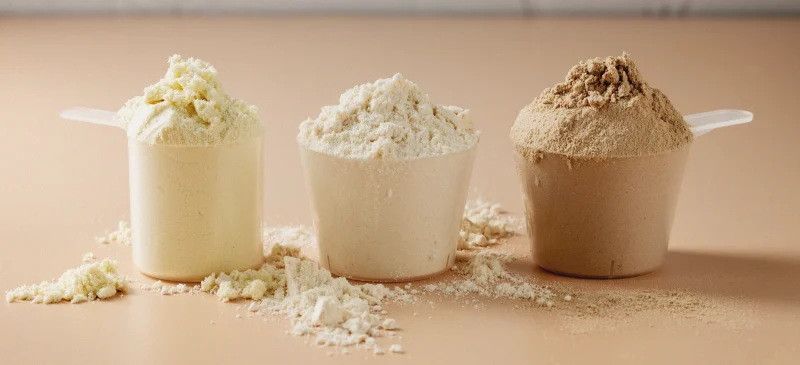
There’s many types of protein powder. If you go into a supplement store of some kind, it can quickly become overwhelming with the variety, the claims and trying to figure out what might be best for you, including helping you with your health goals but also something that you will enjoy consuming.
For many, whey protein is the choice because it’s high in protein, supportive of lean muscle growth, easily digested by many and more studied than any other protein powder. But some of us seek a protein powder that supports our skin or joint health, while others want a nondairy protein.
We cover it all below, including a couple of new multi-protein blends. Getting different sources of protein into your diet can be important because each type offers a unique profile of amino acids, nutrients and health benefits. Rotating protein sources also helps to avoid nutrient gaps, supports gut and metabolic health, and keeps meals more satisfying and enjoyable.
Read on to find out:
Who can benefit from a protein powder?
The 6 main types of protein powder
Benefits of using a protein powder
Recommended protein intake
Top protein powder picks
What to avoid in certain protein powders
How to use protein powder
Who can benefit from a protein powder?
Many people can benefit from a protein powder, especially if they struggle to meet their protein needs through food alone. Others want to follow a high-protein diet, and it can be difficult to hit their protein requirements without including a protein powder in their diet.
Here are the groups who may find it particularly helpful:
1. Active individuals and athletes
People who strength train, run, bike or engage in regular exercise (from doing yoga to playing Pickleball) often need more protein to support muscle repair, recovery and performance.
2. Busy professionals or anyone with limited time
Protein powder makes it easy to get a balanced, high-protein shake or snack when cooking isn’t convenient. This can take the form of a protein smoothie for breakfast or a protein shake for a mid-afternoon snack at work.
3. Older adults
As we age, we naturally lose muscle mass and need more high-quality protein. Protein powder can help older adults meet increased protein needs and support mobility, strength and healthy aging. Many older adults struggle with cooking as often, too, so the convenience of a protein powder makes it easy to add to the diet.
4. Those looking to manage a healthy weight
Protein increases satiety and supports healthy blood sugar levels, which can help reduce cravings and support weight-management goals. It also helps to distribute your protein throughout the day in order to keep cravings under control.
5. Vegetarians and vegans
Plant-based eaters may need help reaching optimal protein intake or balancing amino acids. Plant protein powders can offer a convenient and protein-rich solution.
6. Anyone who struggles with appetite
For those who don’t feel hungry in the morning or have small appetites, drinking protein can make meeting daily needs easier. A smaller appetite can also occur among older adults, so it’s another reason why protein powders can assist overall intake.
7. People looking to boost specific nutrients
Some protein powders include collagen, probiotics, creatine, vitamins or functional ingredients that support skin, gut health, muscle strength or energy.
Types of protein powder
1. Whey
Whey protein is a high-quality, fast-digesting protein derived from milk during the cheesemaking process. When milk separates, whey is the liquid portion that’s filtered and dried into a powder, creating one of the most complete and bioavailable protein sources available.
Whey is a complete protein, for it contains all nine essential amino acids — including a high concentration of branched-chain amino acids (BCAAs) like leucine, which play a key role in muscle repair, recovery and growth.
Because it’s easy to digest and rapidly absorbed, whey protein is popular among athletes, active individuals and anyone looking to increase daily protein intake, support lean muscle or stabilize appetite and healthy blood sugar levels.
Numerous studies indicate that whey protein can promote gains in lean muscle mass, especially when paired with strength training. Whey also stimulates more muscle synthesis than casein or soy protein products. Impressively, studies also show that whey protein can help individuals maintain muscle mass even when under calorie restriction plus promote healthy, strong muscles as one ages.
Whey protein also helps with healthy weight management. A study published in Nutrition and Metabolism evaluated the effect of a whey supplement when taken by participants who lowered their caloric intake by 500 calories per day. Compared to the control group (who had the same calorie deficit), both groups lost some weight and were able to help maintain a healthy weight (in addition to a healthy diet and regular exercise).
Whey blends smoothly into shakes, smoothies and snacks, making it a versatile addition to both meals and high-protein meal prep.
2. Collagen
Collagen protein powder is a supplement made from animal-derived collagen — most commonly sourced from bovine hide, chicken, fish or eggshell membrane — that has been broken down into smaller, easily digestible peptides.
Unlike whey or plant proteins, collagen is not a complete protein because it lacks certain essential amino acids, but it is typically higher in glycine, proline and hydroxyproline. It supports the health of skin, hair, nails, joints and the gut lining. As the most abundant form of protein in the body, collagen is found in the muscles, skin, bones and blood vessels. However, collagen levels naturally begin to slowly decline as you get older.
Collagen protein powder dissolves smoothly in hot or cold liquids, has a neutral flavor, and can be added to coffee, smoothies, baked goods, or soups without altering texture. Many people choose collagen to complement other protein sources, promote joint health and skin elasticity and health.
3. Bone broth
Bone broth protein powder is a supplement made by slowly simmering animal bones — typically chicken or beef — to extract collagen, amino acids and minerals, then dehydrating the broth into a concentrated powder.
It delivers many of the same benefits as traditional bone broth, including support for joint health, gut integrity, skin elasticity and more, thanks to its collagen content. Unlike standard collagen peptides, chicken bone broth protein also provides additional nutrients naturally present in its broth, such as glucosamine, chondroitin and minerals.
It has a mild flavor, mixes well into smoothies or recipes, and offers a convenient, shelf-stable way to enjoy the nourishing properties of bone broth without long simmer times.
4. Casein
Casein protein powder is a slow-digesting protein derived from milk, making up about 80 percent of the protein found in dairy. Unlike whey — which digests quickly — casein forms a gel-like consistency in the stomach, releasing amino acids gradually over several hours. This makes it especially effective for supporting muscle repair overnight, enhancing satiety and reducing muscle breakdown between meals.
Casein is also a complete protein, meaning it contains all nine essential amino acids, including leucine, which is key for muscle protein synthesis. Its naturally thick, creamy texture works well in shakes, puddings and high-protein dessert recipes.
5. Egg
Egg protein powder is made from egg whites that are pasteurized, dehydrated and ground into a fine, high-protein powder. It’s a complete protein source, meaning it contains all nine essential amino acids in highly bioavailable forms that the body absorbs efficiently — second only to whey in terms of quality.
Egg protein is naturally low in fat and carbohydrates, gentle on digestion, and free of lactose, making it an excellent option for those who can’t tolerate dairy. It mixes smoothly, has a mild flavor, and works well in shakes, baked goods or high-protein snacks for steady, long-lasting support for muscle repair, satiety and overall nutrition.
6. Plant-based
Here are some common types of plant-based protein powders — and what makes each kind unique. Using a variety of them (or blends) can help you get a more complete amino acid profile.
Pea protein: Made from yellow split peas, pea protein is one of the most popular plant-based protein powders thanks to its impressive protein content — typically around 20–25 grams per serving — and its relatively easy digestibility. It also can work well for people with sensitivities to dairy or soy, has a strong amino acid profile and blends easily with other plant proteins. Some people don’t care for its chalky texture, however.
Brown rice protein: Produced from whole-grain brown rice, brown rice protein offers a similar protein contribution to pea protein, averaging 20–25 grams per serving. It’s hypoallergenic, easily digestible and works well for individuals with multiple food sensitivities. It’s not a complete protein on its own, but can pair with pea or other plant proteins to round out the amino acid profile.
Soy protein: Derived from soybeans, soy protein is one of the few naturally complete plant proteins, meaning it contains all nine essential amino acids in optimal amounts. It supports muscle building and recovery similarly to animal-based proteins due to its strong amino acid composition and high bioavailability.
Hemp protein: Coming from nutrient-rich hemp seeds, hemp protein offers additional benefits like omega-3 fatty acids, fiber and essential minerals. Its mild, earthy flavor and whole-food nutrient composition make it a great choice for those who want more than just protein from their supplement. While it’s lower in total protein per serving than soy or pea, hemp protein can work well for people seeking a plant-based option that delivers both protein and beneficial fats.
Seed protein: Seed and specialty protein powders — such as pumpkin seed, sunflower seed, chia or sacha inchi — offer some advantages. These proteins often provide valuable minerals like iron, potassium and calcium plus antioxidants and other phytonutrients, in addition to protein. They are frequently blended with other plant proteins to improve amino acid completeness, making them a versatile and nutrient-filled addition to plant-based diets.
Mixed plant proteins: Protein blends combine two or more plant protein sources, such as pea with brown rice, or hemp with various seeds, to create a more complete amino acid profile. These blends compensate for what individual proteins may lack, resulting in a balanced and effective plant-based protein option. They also tend to deliver better flavor, texture and nutrient diversity.
Benefits of using a protein powder
Muscle health: Protein powder supports muscle health when paired with resistance training in both men and women, with higher needs as we age.
Muscle recovery: Protein powder, especially fast-absorbing whey, helps with muscle recovery, including post-exercise recovery and performance.
Preservation of muscle during weight loss: Adequate protein intake helps preserve muscle and maintain a healthy metabolism during calorie restriction.
Healthy weight management: Some whey proteins have been shown to support greater fat loss and better muscle retention during weight-loss diets.
Reduced hunger and cravings: Protein increases satiety, helps control appetite and can reduce overall calorie intake throughout the day.
Can support healthy joints: Supports healthy joints (especially with collagen and bone broth proteins).
Convenient source of protein: Increases daily protein intake when whole-food sources fall short. Provides a quick, portable nutrition option for busy lifestyles.
Supply amino acids: Protein powders are among the most efficient and reliable sources of amino acids, especially essential amino acids and branched-chain amino acids, because they are concentrated, bioavailable and rapidly absorbed compared to many whole foods. High-quality powders like whey, casein, egg and soy provide complete amino acid profiles in consistent doses.
Recommended protein intake
Most people need somewhere between 1–2 g/kg (0.45–0.9 g/lb) of body weight, although there’s some research to suggest that up to 3 g/kg (1.36 g/lb) of body weight is appropriate for certain individuals, particularly those who seek to add more muscle or who exercise very frequently.
For those who want to lose weight, more protein should be consumed — up to 35 percent of your daily calories. In fact, it's one of the top ways to lose fat. Aim for approximately 1.6–2.2 g/kg (0.73–1.0 g/lb) of body weight.
For older adults, the standard protein RDA — 0.8 g/kg (0.36 g/lb) per day — is likely too low. This is important because many older adults come up short on their protein intakes and this can further contribute to the progressive loss of muscle. Studies indicate that 1–1.2 g/kg (0.45–0.54 g/lb) per day for healthy adults over the age of 65 may be beneficial.
Top protein powder picks
1. Ancient Nutrition’s Whey Protein
It combines high-quality grass-fed whey protein concentrate, added organic regenerative A2/A2 milk protein and clinically studied eggshell membrane collagen into one supplement. A2/A2 milk protein comes from cows that naturally produce only the A2 type of beta-casein protein, which is easier to digest for many people compared to the more common A1 protein.
Protein content: Each scoop (29.7 g) delivers 23 grams of protein
Flavors: vanilla bean, milk chocolate and chocolate peanut butter
Purity: No artificial additives or fillers
Benefits: This protein blend helps build strength and increase lean muscle mass while supporting recovery after exercise and promoting healthy joints and mobility. It also encourages a healthy body composition and feelings of satiety, while enhancing skin health, appearance and hair growth.
In addition, Ancient Nutrition’s Whey Protein + Fat Loss Blend (vanilla cinnamon) is available. It includes the grass-fed whey protein concentrate and organic regenerative A2/A2 milk protein but not the collagen. Instead, it also features a “fat loss blend” with clinically studied organic ashwagandha root extract and organic Ceylon cinnamon.
This formula helps reduce body fat and overall body weight while supporting a healthy, lean body composition and building and repairing muscle strength. It promotes athletic performance and recovery, supports balanced appetite and energy levels, and helps manage cravings by supporting healthy cortisol levels. In addition, it encourages mental clarity, focus, cognitive performance, hormone and testosterone balance, and improved sleep quality and relaxation.
2. Ancient Nutrition’s Multi Protein Animal-Based
This all-in-one protein formula brings together grass-fed whey, bone broth, A2/A2 milk protein, collagen peptides and colostrum. It’s even easy to digest, as it contains a “protein digestion blend” of protease and Bacillus coagulans to support the breakdown of protein. The Multi Protein Animal-Based + Creatine supplement adds creatine as well in order to add cognitive support as well as muscle strength benefits.
Protein content: Each scoop (34 g for regular Animal-Based and 40.2 g for the version with creatine) delivers 26 grams of protein
Flavors: Vanilla, milk chocolate, strawberry, vanilla bean (+creatine version), dark chocolate (+creatine version)
Purity: No artificial additives or fillers
Benefits: This formula supports muscle health and lean body mass, while promoting a more youthful appearance and helping reduce visible signs of aging. It also supports joint comfort and mobility while helping reduce bloating, improve gut comfort and promote more efficient protein digestion. The version with creatine also supports muscle strength and cognitive health, including promoting mental clarity and focus under pressure while helping to reduce post-exercise fatigue and promote faster recovery.
3. Ancient Nutrition’s Multi Collagen Protein
Multi Collagen Protein is a powdered supplement that combines several naturally occurring types of collagen — from bovine, chicken, fish and eggshell membrane — to provide a broader spectrum of collagen peptides than single-source collagen. Unlike many traditional protein powders used primarily for muscle building, Multi Collagen Protein is designed to support whole-body benefits, including for joints, skin and more. This collagen powder is sourced from non-GMO, pasture-raised and grass-fed, cage-free sources.
Protein content: 2 scoops (20.2 g) deliver 18 grams of protein
Flavors: Unflavored, vanilla, strawberry lemonade, chocolate, cucumber lime, cold brew
Purity: No artificial additives or fillers
Benefits: This formula with clinically studied ingredients supports visibly more elastic skin and hair health while delivering rapid, continuous and lasting joint support — improving joint stiffness in as little as 7 days as well as reducing exercise-related joint discomfort. It promotes faster recovery from workouts, improves flexibility and range-of-motion comfort, supports healthy cartilage turnover, and helps promote joint cartilage health during normal wear and exercise-induced breakdown. Together, these effects support both youthful appearance and resilient, well-functioning joints for daily movement and athletic performance.
In addition, Ancient Nutrition’s Multi Collagen Advanced protein powders are formulated for lean, detox processes and hydrating benefits. Each is packed with 10 types of collagen from 10 food-based sources, including six premium grass-fed organs as well as a blend of superfood ingredients, including some ingredients that are clinically studied.
4. Ancient Nutrition’s Bone Broth Protein
This concentrated bone-broth–derived protein powder — formulated from chicken and/or beef bone-broth protein concentrates — is designed to deliver many of the nutrients found in traditional bone broth, in a convenient, powdered form. It includes collagen and bone-broth–associated components like glucosamine, chondroitin and hyaluronic acid (for chicken bone broth with type 2 collagen), which are associated with joint support.
Protein content: 1 scoop (22.3 g) delivers 20 grams of protein
Flavors: Pure, chocolate, vanilla, turmeric, salted caramel, pumpkin spice
Purity: No artificial additives or fillers
Benefits: This protein supports joint health and comfort, healthy gut and digestive function, and healthy cartilage support. It also supports healthy immune system function and healthy skin.
Ancient Nutrition also carries three savory flavors (chicken soup, butternut squash and tomato basil) of Bone Broth Protein. This warming, satiating sipping broth supports an overall healthy metabolism and gut. Each scoop contains a little less protein, at 15 grams.
5. Ancient Nutrition’s Multi Protein Plant-Based
The plant-based version of Multi Protein represents the next generation of plant protein. Many plant proteins fall short on amino acids or the amount of protein per scoop, but not Multi Protein Plant-Based. This formula combines organic pea, chocho and sacha inchi to deliver a complete protein profile. Our unique Protein Digestion Blend features protease, a digestive enzyme that helps break down protein into smaller peptides — so your body actually gets the full benefit of every scoop.
Protein content: 1 scoop (36.2 g) delivers 25 grams of protein
Flavors: Vanilla, chocolate, mixed berry
Purity: No artificial additives or fillers
Benefits: This plant-based protein formula supports muscle health while promoting a more efficient breakdown of protein. It helps reduce occasional bloating and gas, supports overall GI comfort and wellbeing, and encourages healthy movement and transit time through the digestive tract.
What to avoid in certain protein powders
The nutritional content of protein powder can vary significantly between brands. Here are the main things to avoid or limit in certain protein powders for best quality and safety:
Added sugars and syrups (corn syrup solids, cane sugar, glucose) that can spike blood sugar and add unnecessary calories.
Artificial sweeteners (sucralose, aspartame, acesulfame potassium) that may cause digestive upset or headaches in sensitive individuals.
Artificial flavors, colors, and dyes that add no nutritional value and may trigger sensitivities.
Low-quality fillers and thickeners (maltodextrin, dextrins, excessive gums) that dilute protein content and can affect digestion.
Excessive sodium which can contribute to bloating and blood pressure issues when used daily.
Proprietary blends that hide exact ingredient amounts, making it hard to assess protein quality and dosage.
Heavy metal contamination (lead, cadmium, mercury), which is why third-party testing is important — especially for plant-based powders.
Excessive added fats or oils that unnecessarily increase calories without improving protein quality.
Undisclosed allergens (soy, dairy, gluten, nuts) that may affect people with sensitivities.
Overly long ingredient lists, which often indicate ultra-processing rather than a more nutrient-focused formula.
How to use protein powder
Okay, you’ve purchased your protein powder, maybe even a couple of versions. Now, what are the best ways to use it? Here are some of the best ways to consume:
The easiest way to consume is in a shaker bottle. Follow the protein powder directions for use on the label, or add the recommended amount of water and one scoop. Shake well and drink.
The second easiest way is using a blender. Follow the label directions for use. Alternatively, add the recommended amount of water, one scoop and some ice. Easy peasy.
The most popular is probably a fruit-based smoothie. Use water, milk or plant-based milk (unsweetened almond milk is low-calorie and can enhance taste), then one cup of frozen fruit (such as mixed organic berries) and a scoop of the protein powder or the label’s directions for use.
If you want to keep your smoothie low in carbohydrates, skip the fruit and add some nut butter alongside the water or milk.
Stir into protein overnight oats or freshly made oatmeal for an easy high-protein breakfast.
Mix into yogurt or cottage cheese to boost protein and creaminess. Many choose this method for their dessert.
Make a protein pudding by mixing with milk and chilling until thick.
Blend into coffee or lattes (especially collagen). You can do this with hot or cold coffee beverages.
Use in baking for protein muffins, pancakes, waffles, cookies or breakfast bars.
Add to no-bake snacks like protein balls, fudge or energy bites.
Mix into nut butters or dips for high-protein spreads and dessert dips.
Stir into soups, sauces or mashed foods (best with collagen or bone broth protein).
Related Articles
September 23, 2026
|recipes
Best 24 High-Protein Snacks
We tend to put a decent amount of thought into our main meals of the day: breakfast, lunch and dinner. Often, we think about each of them in advance, so we plot out what we’re going to whip in the kitchen or order when we’re out. But snack time? Often that’s a spontaneous and not always great decision.
September 26, 2026
|health
10 Daily Habits to Help Improve Digestion
You’ve heard it before: A healthy gut and digestive system is the foundation of overall health.
June 17, 2025
|health
How to Make a Smoothie: Best Ingredients, Including Superfoods, to Add
Let’s say you want to make the best smoothie possible — one that tastes great, is healthy and has perfect texture. You’ve come to the right place.
November 14, 2025
|health
Benefits of Creatine for Brain Health
When we hear the word “creatine,” many of us think of strength training, muscle pumps or athletic performance. Yet its story doesn’t end in the gym; it also plays a fascinating role in brain health.




- © 2010-26 Ancient Brands, LLC. All rights reserved.
- Terms of Use
- Privacy Policy
- CPRA Privacy Policy/Notice of Collection
- Do Not Sell or Share My Personal Information
- Consumer Health Data Privacy Policy