

Shop by Goal
Shop by Category
Shop by Ingredient
Here's 10$ off from your friend
Discount code copied!
* This offer expires in 3 days
Home/Blog/15 New Healthy Eating Habits
15 New Healthy Eating Habits
By Ethan Boldt
September 17, 2026
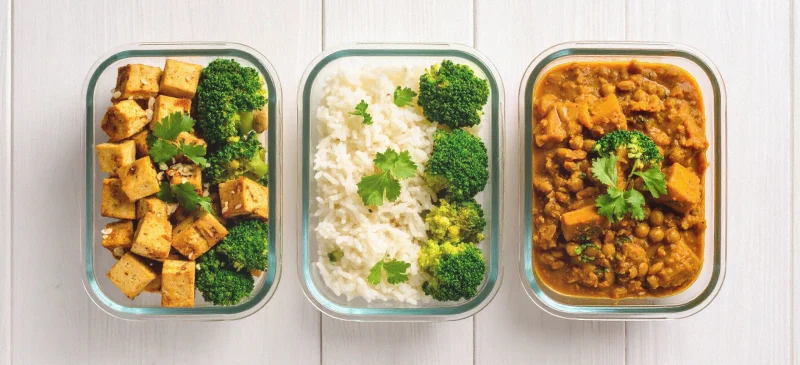
Eat an apple a day. Get your greens. Stop late-night snacking. These are healthy eating habits that many of us are familiar with or maybe still follow. It’s time for an update. What are some new healthy eating habits that are worth implementing into your routine?
Eating habits means, of course, repeating certain actions that involve food. If it’s a healthy eating action, then repeating it often means it becomes even better for you.
Meanwhile, these eating habits below are newer and perhaps more unique than eating habits you’ve followed in the past. This newness and specificity may help you stick with these habits better than the same old healthy eating habits.
The general goals around healthy eating habits involve improving one’s wellness, which can include having more energy, maintaining health, helping get to and stay at a healthy weight, building more lean muscle and more.
Here we cover 15 new healthy eating habits that you can consider adopting.
1. Getting 20 to 30 grams of protein each time you eat
Everybody is talking about protein (how it helps with muscle maintenance, growth and growth, improves satiety, etc.), so you’re probably already well aware that most of us don’t get enough in our diet. And if you’ve been trying to up your protein, you’re also probably aware that it’s not that easy to eat a higher protein diet.
But rather than eating one monster protein meal per day, it’s better to get protein into each of your meals and snacks. This will also help you feel more satisfied through the day plus more easily hit your protein goals.
This doesn’t have to be complicated. Simply add more protein foods to your diet and specific meals, such as:
Breakfast: enjoy eggs (or tofu scramble if you’re plant-based), smoothies with protein powder, Greek yogurt, etc. See our recipes for a breakfast bowl, protein smoothie and yogurt bowl.
Lunch: rather than using high-sodium deli meats, grill your own chicken breast (or tempeh if you’re plant-based) for your sandwich; make up a Cobb salad with chicken breast, turkey bacon, low-fat cheese and nuts; prepare a lentil bowl with roasted veggies, leafy greens and pumpkin seeds.
Afternoon snack: mix fruit with Greek yogurt or cottage cheese; have a hard-boiled egg and some beef jerky; can of sardines; make up a macro sports bar or a protein peanut butter cookie.
Dinner: grill a protein such as wild-caught salmon, chicken breast or flank steak; pair with veggies and a healthy starch.
Dessert: most store-bought desserts are simply not good for you, with too much added sugar and other unwanted ingredients; instead make your own protein-rich dessert such as high-protein chocolate pudding, protein cookie dough or avocado chocolate mousse.
2. Rediscover “complex” carbohydrates and whole grains for more fiber and energy
Carbs have been demonized. If you’re on a low-carb diet, then yes, you will naturally need to stay away from carbohydrates. But for the rest of us, having carbs isn’t the problem; it’s the kind of carbs we take in.
What you want to start to avoid more are certain simple carbohydrates like sugar-filled products (soda, candy, syrups), white flour products (white bread, pastries, etc.), ice cream and sweetened coffee drinks. These can cause rapid blood sugar spikes, energy crashes and offer mostly empty calories.
Now, fruits are also simple carbohydrates but they’re an important part of the average diet because they include valuable nutrients like essential vitamins, minerals, and water that your body needs to stay healthy. Plus the fiber and water in fruit can help you feel full a lot longer than a glass of fruit juice.
You also want to increase your intake of complex carbohydrates that are composed of many sugar units that are bonded together (unlike simple carbs that are made up of just one or two types of sugar). These occur naturally in whole grains, beans and vegetables. They take longer than simple carbs to break down in the body, leading to a more gradual increase in blood sugar levels.
Choose higher-fiber, whole-grain carbohydrates such as whole-wheat pasta, brown rice and potatoes with the skin on. These options generally provide more fiber than refined carbohydrates, which can help support digestion and keep you feeling fuller for longer.
Consider including a nutrient-dense starchy carbohydrate with your main meals. While carbohydrates are sometimes viewed as fattening, they provide about 4 calories per gram compared with 9 calories per gram for fat.
3. Try to have an early dinner as a form of “time-restricted eating”
When you hear “intermittent fasting,” usually it means going around 16 hours without food and often that means skipping breakfast. Well, many of us either don’t want to do that, and plenty of people don’t necessarily experience the benefits they were promised.
Instead, simply have an early dinner and experience a conventional overnight fast. That means avoiding the late night snacking, too.
Going from 7:30 p.m. to 7:30 a.m. is a form of time-restricted eating that still boasts many benefits, including eating fewer overall calories, helping your body digest food better, may improve your sleep, and assists in keeping your blood sugar steady.
4. Prepare foods in ways that maximize their nutrients
Several eating and food-preparation habits can help preserve nutrients or improve how well your body absorbs them:
Steam or microwave vegetables rather than boiling them: These methods generally use less water and shorter cooking times, helping preserve water-soluble nutrients such as vitamin C and B vitamins.
Use cooking water: If you do boil vegetables, use the liquid in soups, sauces or stews to retain some of the nutrients that leach into the water.
Don't overcook vegetables: Shorter cooking times can reduce losses of heat-sensitive nutrients, especially vitamin C and folate.
Eat some produce raw and some cooked: Raw foods can retain more heat-sensitive nutrients, while cooking can increase the availability of certain compounds, such as lycopene in tomatoes and beta-carotene in carrots. Foods that are sensitive to heat and can be eaten raw to experience more nutrients include bell peppers, baby kale, broccoli, spinach, cabbage and most fruits.
Keep edible skins on: Potato, apple, cucumber and other produce skins can provide additional fiber and phytochemicals.
Store produce properly: Refrigerating appropriate fruits and vegetables and minimizing prolonged exposure to heat, air and light can slow nutrient losses.
Pair vegetables with healthy fats: Eating foods containing carotenoids — such as carrots, tomatoes, spinach and sweet potatoes — with olive oil, avocado, nuts or seeds can improve carotenoid absorption. Carotenoids can help protect your cells from damage caused by harmful free radicals.
Crush or chop garlic before cooking: Allowing chopped garlic to sit for roughly 10 minutes before heating can help preserve formation of allicin-related compounds. Allicin and its breakdown compounds (such as diallyl sulfide, diallyl disulfide, and ajoene) provide powerful antioxidant benefits.
Choose frozen produce when appropriate: Fruits and vegetables frozen soon after harvest can retain nutrients very well and may sometimes retain more of certain nutrients than fresh produce stored for extended periods.
5. Add probiotic foods to your lunches
Probiotic foods are brimming with a wide range of “live and active cultures” (another name for probiotics), not to mention other nutrients that support digestion and overall health, too. They also help to reduce occasional constipation, gas and bloating.
Many people, however, don’t necessarily get a lot of probiotic foods in their diet unless they’re consuming yogurt with live probiotic cultures. A solution is to simply start adding certain probiotic foods to your lunch.
Enjoy sauerkraut, kimchi, pickles and tempeh as a tasty side dish by itself or as part of your lunch sandwich. You may choose to pair that lunch with probiotic-rich kombucha, which is a fermented tea that has a sour, often fruity flavor.
6. Start eating prebiotic foods
Unlike probiotics, which are live beneficial bacteria found in certain foods or supplements, prebiotics are non-digestible fibers and compounds that serve as a food source for these beneficial bacteria. By nourishing the beneficial bacteria in the gut, prebiotics contribute to a healthy and balanced gut microbiota.
While cooking these prebiotic foods can reduce some prebiotic compounds, be assured that most still remain. Here’s some that are relatively easy to add to your daily diet:
Onions — easy to add to salads, eggs, soups, sauces and stir-fries.
Garlic — provides fructans and works in almost any savory dish.
Leeks — milder than onions and good roasted, sautéed or added to soups.
Asparagus — provides inulin-type fructans and is easy to roast or grill.
Slightly underripe bananas — contain more resistant starch than fully ripe bananas.
Oats — provide beta-glucan and other fermentable fibers; easy for oatmeal, overnight oats or smoothies.
Apples — contain pectin, a fermentable fiber that can support beneficial gut microbes.
Barley — rich in beta-glucan and useful in soups, bowls and side dishes.
Beans, lentils and chickpeas — provide resistant starch and fermentable fibers while also supplying protein and minerals.
Cooked and cooled potatoes — cooling cooked potatoes increases resistant starch, which can act as a prebiotic substrate.
Cooked and cooled rice — similarly develops more resistant starch after cooking and cooling.
Flaxseeds — provide fermentable fiber along with ALA omega-3 fats.
7. Introduce more Mediterranean foods (like oily fish) into your weekly diet
Rather than spelling out separate habits such as eating more healthy fats, etc., we can also simply say follow some of the Mediterranean diet principles. It’s long been hailed as one of the healthiest eating patterns in the world.
Rooted in the traditional foods of countries bordering the Mediterranean Sea, this way of eating emphasizes fresh, whole foods and has been linked to numerous health benefits, including heart health, healthy weight management and healthy longevity.
Here are some easy Mediterranean friendly foods to add to your diet:
Fatty fish: Salmon, sardines, mackerel, tuna and other fatty fish rich in omega-3 fatty acids. Aim for two servings per week.
Olive oil: The primary fat source, rich in monounsaturated fats, to use for salads and light cooking (not high heat).
Nuts and super seeds: Almonds, walnuts, flaxseeds and chia seeds.
Legumes: Chickpeas, lentils, black beans and other beans are protein and fiber rich. Incorporate them into soups, stews or enjoy them as a side dish.
Whole grains: Swap refined grains for whole-wheat bread, brown rice, quinoa, farro, bulgur and whole-grain pasta. These provide sustained energy and essential fiber.
Fruits: Enjoy a variety of Mediterranean fruits like berries, oranges, apples, grapes, figs and melons.
Vegetables: Load up on leafy greens, tomatoes, peppers, eggplant, zucchini, cucumbers and onions.
Herbs and spices: Use plenty of antioxidant-rich basil, oregano, thyme, rosemary and garlic.
Dairy: Enjoy dairy products like Greek yogurt, ricotta and feta cheese in moderation.
8. Eat a diet that supports nutrient absorption
Eating a balanced, whole foods-based diet might make you think you’re the pinnacle of health, but if those same great foods are unabsorbed, then even an ideal diet likely won’t be enough to provide all the nutrition you need.
To improve nutrient absorption, take some of these steps:
Eat both prebiotic and probiotic foods.
Vitamins A, D, E and K, along with carotenoids such as beta-carotene and lycopene, are better absorbed when eaten with dietary fat. Pair vegetables with olive oil, avocado, nuts, seeds or eggs.
Giving yourself time to slowly, calmly eat and to chew your food adequately helps to release enzymes that are an essential part of digestion.
Drinking enough water throughout the day will aid digestion and nutrient transport, including helping your supplement absorption.
Cooking tomatoes, carrots and some leafy greens can break down plant cell walls and increase the bioavailability of compounds such as lycopene and beta-carotene.
9. Make your own snacks (rather than gobble down processed foods)
Snack time is too often when the average diet takes an unhealthy hit. You’re feeling perhaps a little tired, want a pick-me-up, and you don’t have anything healthy ready to go.
Well, here are some healthy snack ideas to prevent that daily trip-up:
Enjoy Greek yogurt with fresh berries
Have cottage cheese or hummus with cut-up cucumber and bell peppers
Pair sliced apple with nut butter
Have a handful of nuts with a piece of fruit
Make a batch of balanced macro bars for the week
10. Swap out common processed foods for healthier choices
Ultra processed foods are attractive and addictive, but they’re also simply not good for you. Chockfull of preservatives, salt, artificial flavors, emulsifiers and more, these “foods” are typically manufactured and formulated to be convenient, ready-to-eat and have a longer shelf life.
For example, the CDC says that most dietary sodium comes from processed, packaged, and restaurant foods rather than us adding salt to our food.
Here are some swaps to consider:
Protein overnight oats for breakfast cereal
Ezekiel bread for commercial white bread
Roasted chickpeas for chips
Baked potato for French fries
Grilled chicken breast for deli meat
11. Reduce your exposure to food contaminants
To reduce exposure to food contaminants such as pesticide residues, heavy metals, harmful bacteria and naturally occurring toxins, focus on a few practical habits:
Wash fruits and vegetables under running water before eating or preparing them. Scrubbing firm produce can help remove additional dirt and surface residues.
Rinse rice and cook it in excess water. Cooking rice in plenty of water and draining the excess can reduce inorganic arsenic levels.
Vary your grains and other staple foods. Rotating rice with oats, quinoa, barley, buckwheat and other grains can reduce repeated exposure to contaminants associated with any one food.
Choose seafood lower in mercury. Eat a variety of fish while limiting frequent consumption of species known to accumulate higher levels of mercury, such as tuna fish.
Practice safe food handling. Keep raw meat separate from ready-to-eat foods, refrigerate perishables promptly and cook foods to safe internal temperatures.
Store grains, nuts and seeds properly. Cool, dry storage helps prevent mold growth and reduces the risk of mold-related toxins such as mycotoxins.
12. Reduce added sugar
When you hear “no sugar diet,” what we’re really talking about is no added sugar diet, as it’s nearly impossible to entirely go without sugar if you eat food. Milk, fruit and most vegetables, for example, contain natural sugars.
But it’s good to try and remove added sugars and sweeteners in your diet, in particular the added sugar in packaged foods as well as sugary recipes. Benefits to taking this step include healthy weight management, better blood sugar levels, heart health support, improved energy, dental health support, reduced sugar cravings and balanced hormones.
To reduce added sugar (every food label lists them), try to avoid consuming the following:
Breakfast cereals
Coffee drinks
Packaged breads
Snack and protein bars
Sports drinks
Flavored yogurts
Frozen meals
Bottled sauces
Cocktails
Instead, eat and cook a lot more whole foods.
13. Eat with intention rather than while distracted
Eating with intention rather than while distracted can help you pay closer attention to hunger, fullness and satisfaction cues, which may reduce mindless eating and overeating. Slowing down and focusing on your meal can also encourage more thorough chewing, greater enjoyment of food and better awareness of portion sizes and food choices.
Research on mindful eating suggests it may help improve eating behaviors and people's relationship with food, although it shouldn't be presented as a guaranteed weight-loss strategy.
14. Drink at least 8 glasses of low-calorie fluids per day
Most of us know that drinking water is important. Water plays a key role in nearly every function in your body. It helps regulate body temperature, transports nutrients, helps keep joints healthy, aids digestion and helps remove waste.
Yet too many of us still don’t drink enough. Here are some ways to get your eight or more glasses per day:
Bring a glass to bed with you — not to have at bedtime but first thing in the morning, as it even may help you up your metabolism for a few hours.
Use an app to remind you to drink water.
Mix water with a hydration solution to more easily consume water and hydrate properly.
Have plenty of water before, during and after exercise.
Bring a giant bottle or jug of water to your work area, so it’s right there with you all day rather than making you go and fetch it.
Have water 30 minutes before your meal to help your body absorb nutrients.
15. Meal prep
Last but not least, consider meal prepping to make eating healthier a heckuva lot easier. Meal prep takes the stress out of eating well by ensuring ready-to-go, nutrition-rich meals for days. It also helps you stay on track with the right portions so you don't overeat.
At the very least, consider meal prepping your lunches if you work away from home, as if you're having lunch out then you're likely getting too many calories, too much sodium and not enough overall nutrition.
Check out our article on the best ingredients for high-protein meal prep, plus some of the best high-protein meal prep recipes — including for breakfast, lunch and dinner.
Related Articles
September 8, 2026
|health
CoQ10 Benefits: What It Does, Foods & Supplements
Your heart works around the clock, and keeping it functioning at its best requires a steady supply of cellular energy. Coenzyme Q10 (CoQ10) is a compound found throughout the body that plays an essential role in cellular energy production — particularly in high-energy-demand organs such as the heart.
September 9, 2026
|health
Foundational Supplements for Your Daily Routine
What are your most important supplements? With so many available yet not infinite cash to spend, we often choose (even guess) a few that we think work best for us — for our age, if we’re male or female, or even for a particular goal such as metabolic wellness.
August 28, 2026
|health
How to Boost Cellular Energy & Why It's Important
When you discuss wanting to have more energy to do things, what you’re really getting at is your body’s cellular energy. While energy levels refer to how alert or tired you may feel at a given time, cellular energy is the energy your cells produce and use — primarily as ATP (adenosine triphosphate) — to carry out essential functions.
August 31, 2026
|health
Best Functional Foods for Specific Health Goals
In general, functional is a word that’s used more often these days. While it loosely relates to how something might work, it also means “designed for practical use.”




- © 2010-26 Ancient Brands, LLC. All rights reserved.
- Terms of Use
- Privacy Policy
- CPRA Privacy Policy/Notice of Collection
- Do Not Sell or Share My Personal Information
- Consumer Health Data Privacy Policy