

Shop by Goal
Shop by Category
Shop by Ingredient
Here's 10$ off from your friend
Discount code copied!
* This offer expires in 3 days
Home/Blog/Best Functional Foods for Specific Health Goals
Best Functional Foods for Specific Health Goals
By Edwina Clark, MS, RD
August 31, 2026
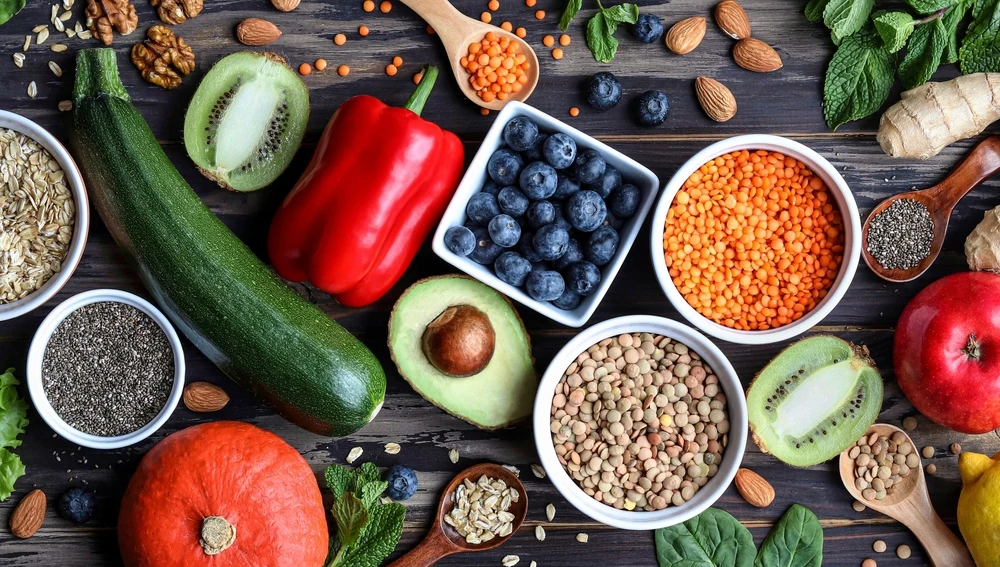
In general, functional is a word that’s used more often these days. While it loosely relates to how something might work, it also means “designed for practical use.”
From functional exercises (multi-joint exercises that mimic daily movements) to functional supplements (supplement ingredients designed to deliver specific health benefits, such as a collagen powder with added ingredients for beauty benefits), everyone wants more functional in their life.
Enter functional foods. While the term ‘functional foods’ was first used in Japan in the 1980s (and their government even established a regulatory system for the labeling of “foods for specified health uses”), the definition is largely unregulated in the U.S. That’s partly why it’s so important to learn more about what constitutes a functional food and how these foods may be able to help you with your own health goals.
After all, with protein, fiber and more components added to foods than ever before, functional foods are definitely having a moment.
Learn the following below:
What are functional foods?
Why food marketers are leaning into functional foods
The major benefits of functional foods
The best examples of functional foods
Specific functional foods for certain health goals
Frequently asked questions
What are functional foods?
The strict definition of functional foods is industrially processed or natural whole foods that, when regularly consumed within a diverse diet at efficacious levels, have potentially positive effects on health beyond basic nutrition. Additionally, randomized, double-blind, placebo-controlled clinical trials are necessary to establish functional efficacy.
Types of functional foods:
Conventional (whole) foods: Beneficial nutrients and compounds are naturally present in these unprocessed foods. E.g. fruits, vegetables, nuts, seeds, fatty fish and whole grains.
Modified (fortified) foods: Food enriched or fortified with beneficial components. E.g. yogurt with added probiotics and fiber, milk with vitamin D, cereal with folate, juice with calcium.
Functional foods are more popular than ever in the food landscape, with manufacturers scrambling to add extra compounds like protein, probiotics, fiber, vitamins, minerals, etc. to supposedly improve the health of the consumer. While sometimes this may be the case, such as helping address a nutrient gap, it’s certainly not always true.
The FDA does regulate the health claims that can be published on the labels, but does not have a formal definition of functional foods. Moreover, companies get around this by making nutrient claims that suggest functionality without actually providing the implied benefits.
Benefits of functional foods
1. Fill nutrient gaps
Functional and fortified foods can help address common nutrient gaps by providing nutrients that may be lacking in a person’s usual diet. Fiber is a good example, as most Americans fall short of recommended fiber intake. Foods with added fiber can provide another convenient way to help increase daily intake.
Nutrient needs can also vary based on dietary patterns and life stage. People following plant-based diets, for example, need to pay particular attention to vitamin B12 because it is naturally found primarily in animal foods, making fortified foods or supplements important sources.
Iron is another nutrient to consider, particularly for women of childbearing age and those following plant-based diets. In these cases, appropriately fortified functional foods can help complement a nutrient-dense diet and fill potential nutritional gaps.
2. Support overall health
Functional foods may help support long-term health by providing nutrients and bioactive compounds that help maintain normal body functions. Foods rich in fiber, antioxidants, healthy fats, probiotics and plant compounds, for example, can support cardiovascular health, healthy blood sugar regulation, digestive health and a healthy inflammatory response.
When eaten regularly as part of an overall nutrient-dense diet, functional foods may also help maintain vibrant health for the long haul.
It’s important to view functional foods as part of the overall dietary pattern. Fruits, vegetables, whole grains, legumes, nuts, seeds, fermented foods and fatty fish can contribute valuable nutrients and compounds.
3. Support health and performance goals
Functional foods can also play a role in supporting specific health, fitness and performance goals. Beyond providing basic nutrition, certain foods and nutrients can help support muscle growth and recovery, exercise performance, cardiovascular health and healthy aging.
For example, protein-rich foods provide essential amino acids needed to build and maintain muscle, making adequate protein especially important for active individuals and as people age.
Supplements can also provide concentrated amounts of certain functional nutrients as well. Protein supplements, such as whey protein, offer a convenient way to increase protein intake and support muscle protein synthesis, recovery and lean muscle mass.
Creatine can help increase the muscles’ stores of phosphocreatine, which is used to rapidly produce energy during high-intensity activity, helping support strength, power and exercise performance. Omega-3 supplements, particularly those providing EPA and DHA, can complement dietary sources such as fatty fish and help support cardiovascular health, brain health and a healthy inflammatory response.
These foods and supplements work best as part of a well-rounded diet rather than as replacements for nutritious whole foods. Of course, the most appropriate choices depend on a person’s diet, activity level and individual health and performance goals.
Best functional foods
While the best functional foods vary, depending on age, sex, health goals, activity levels and other factors, a Mediterranean-style diet is largely thought to be the gold standard for optimal health.
Here are some of the top functional foods to start eating more of:
1. Oats
Oats are a functional food because they provide beta-glucan soluble fiber, which supports heart health, healthy cholesterol levels, digestive health and more stable blood sugar levels.
2. Functional beverages
Functional beverages with added protein or functional mushrooms can provide targeted benefits beyond hydration — for example, protein drinks can support muscle maintenance and recovery.
Beverages containing certain functional mushrooms may provide bioactive compounds that support areas such as immune health, stress response or cognitive function, depending on the mushroom used.
3. Wild-caught salmon
Wild-caught salmon is a top functional food because it provides high-quality protein, omega-3 fatty acids (EPA and DHA), vitamin D and other nutrients that support heart and brain health, muscle function and a healthy inflammatory response.
4. Leafy greens
Leafy greens provide fiber, folate, vitamins A, C and K, minerals and antioxidant plant compounds that support heart, bone, digestive and overall health.
5. Berries
Berries are rich in fiber, vitamin C and antioxidant polyphenols such as anthocyanins, which can support heart, metabolic and brain health while helping protect cells against oxidative stress.
6. Yogurt and kefir
Yogurt and kefir are functional foods because they provide protein, calcium and, when they contain live and active cultures, beneficial microbes that can support digestive health, gut microbial balance and bone health.
7. Olive oil
Extra virgin olive oil provides heart-healthy monounsaturated fats and antioxidant polyphenols that support cardiovascular and metabolic health and a healthy inflammatory response.
8. Whole grains
Whole grains provide fiber, B vitamins, minerals and beneficial plant compounds that support digestive, heart and metabolic health while helping promote healthy blood sugar levels.
For example, whole grain cereals with less than 8 grams of added sugar per serving and at least 3 grams of fiber per serving are far better than those that don’t meet that threshold.
9. Nuts and seeds
Nuts and seeds provide healthy fats, plant-based protein, fiber, vitamins, minerals and antioxidant plant compounds that support heart, metabolic and digestive health.
10. Beans and legumes
Beans and legumes provide plant-based protein, fiber, resistant starch, vitamins, minerals and beneficial plant compounds that support digestive, heart and metabolic health while promoting healthy blood sugar levels.
11. Eggs
Eggs provide high-quality protein, choline, B vitamins, selenium and carotenoids such as lutein and zeaxanthin, which support muscle, brain and eye health.
12. Functional supplements
Some functional supplements can provide concentrated or convenient sources of nutrients and bioactive compounds to support specific health and performance goals.
For example, protein bars and whey protein can support protein intake and muscle recovery, collagen can support the skin and joints, creatine can support strength and exercise performance as well as brain health, omega-3s can support heart and cognitive health, super greens can supplement intake of plant-based nutrients and compounds, and products with added probiotics can support digestive and gut health.
Specific functional foods for certain health goals
1. Gut health
For gut health, functional foods rich in fiber, prebiotics, probiotics, polyphenols and beneficial compounds from fermentation can help support healthy digestion and a balanced gut microbiome.
Fiber promotes regularity and provides fuel for beneficial gut microbes, while prebiotics specifically help nourish certain beneficial bacteria and support the production of compounds such as short-chain fatty acids.
Probiotics provide beneficial live microorganisms that can help support microbial balance and digestive health, while polyphenols interact with the gut microbiome and may support beneficial bacteria, the gut barrier and a healthy inflammatory response.
Fermented foods such as yogurt, kefir, kimchi and sauerkraut can also provide beneficial microbes and fermentation-derived compounds that help support overall gut health.
2. Brain health
For brain health, a nutrient-dense diet that includes adequate protein, vegetables, extra virgin olive oil, nuts, berries, whole grains, beans and legumes, and fatty fish can provide nutrients and bioactive compounds that help support healthy cognitive function as we age.
Berries are particularly rich in polyphenols, while fatty fish provide omega-3 fatty acids and extra virgin olive oil and nuts supply beneficial unsaturated fats and antioxidant compounds. Green tea may also offer brain-supporting plant compounds.
This combination closely resembles the MIND diet, an eating pattern that emphasizes leafy greens, berries, nuts, whole grains, beans, olive oil, fish and poultry and has been studied for its potential role in supporting cognitive health.
Other nutrients and compounds — including omega-3s, curcumin, B vitamins such as folate, vitamin D, probiotics, antioxidants and creatine — are also being studied for their health benefits, including creatine for brain health, although evidence varies and the benefits of certain nutrients may depend on a person’s existing nutrient status.
3. Heart health
Functional foods such as fruits and vegetables, extra virgin olive oil, avocados, nuts, fatty fish, beans, legumes and whole grains provide fiber, healthy fats, antioxidants and other plant compounds that support cardiovascular function.
Oats, oat bran, beans and legumes are particularly good sources of soluble fiber, which can help maintain healthy cholesterol levels, while fatty fish provide omega-3 fatty acids that support healthy triglyceride levels and overall cardiovascular health.
Extra virgin olive oil, avocados and nuts provide heart-healthy unsaturated fats that can be used in place of foods high in saturated fat. Garlic, tea and cocoa-rich dark chocolate also contain beneficial plant compounds that may support healthy blood pressure, circulation and blood vessel function.
Overall, emphasizing these nutrient-dense foods while limiting excess saturated fat can help support healthy cholesterol levels and long-term heart health.
4. Weight management
Functional foods that provide protein, fiber, healthy fats and beneficial plant compounds can help support satiety, metabolic health and a healthy body composition.
Fiber-rich foods help promote fullness and can make it easier to manage overall food intake, while lean protein supports satiety and helps maintain lean muscle mass, particularly during weight loss.
Berries and pomegranate provide fiber and polyphenols, while green tea contains catechins and caffeine that may modestly support energy expenditure and fat metabolism. Nuts, extra virgin olive oil and avocados provide satisfying unsaturated fats that can support metabolic health when incorporated into a balanced diet.
Prebiotic foods nourish beneficial gut bacteria, while probiotic foods and supplements can help support a healthy gut microbiome, which is increasingly being studied for its relationship with metabolism and body weight.
Ultimately, these foods work best as part of an overall nutrient-dense eating pattern that supports an appropriate calorie intake, regular physical activity and other healthy lifestyle habits.
4. Pre-menopausal health
For premenopausal women’s health, a Mediterranean-style eating pattern rich in vegetables, fruits, whole grains, legumes, nuts, seeds, fish and extra virgin olive oil can provide nutrients and beneficial plant compounds that support cardiovascular, metabolic and reproductive health.
Certain nutrients deserve particular attention during the reproductive years: folate and vitamin B12 support healthy red blood cell formation and normal cellular processes, while iron helps replace losses associated with menstruation and supports healthy energy levels.
Calcium and vitamin D are important for building and maintaining strong bones, and DHA, an omega-3 fatty acid found primarily in fatty fish, supports brain, heart and reproductive health.
Emphasizing a varied, nutrient-dense diet can help women meet these needs while supporting overall health before menopause.
5. Post-menopausal health
A Mediterranean-style eating pattern rich in vegetables, fruits, whole grains, legumes, nuts, seeds, fish and extra virgin olive oil can help support cardiovascular, metabolic and overall health as women age.
Adequate protein becomes particularly important for maintaining muscle mass and strength, while fiber supports digestive health, healthy cholesterol and blood sugar levels. Omega-3 fatty acids, especially from fatty fish, support heart and brain health and a healthy inflammatory response.
Bone health is also a major focus after menopause: calcium, vitamin D, phosphorus and magnesium all contribute to maintaining healthy bones, while prunes have been studied for their potential to help support bone mineral density in postmenopausal women.
Soy foods provide protein and isoflavones, plant compounds that may offer additional benefits for bone and cardiovascular health. Collagen peptides may complement adequate protein and key bone-building nutrients by providing amino acids that support connective tissues, including bones and joints.
Together, these functional foods and nutrients can help support healthy bones, muscle mass, cardiovascular health and overall healthy aging after menopause.
6. Muscle recovery
For muscle recovery, functional foods and supplements can provide the nutrients needed to repair muscle tissue, replenish energy stores and support training adaptations. P
Protein, particularly leucine-rich sources such as whey and dairy, provides essential amino acids that stimulate muscle protein synthesis and help repair and rebuild muscle after exercise. Getting enough protein is important throughout life, but becomes increasingly important with age as maintaining and building muscle can become more difficult.
Carbohydrates help replenish muscle glycogen used during training, while antioxidant-rich foods and ingredients such as tart cherry juice and turmeric may support a healthy inflammatory response and recovery from exercise. Creatine helps replenish the rapid energy system used by muscles and can support strength, performance and gains in lean muscle when combined with resistance training.
Omega-3 fatty acids from fatty fish may support muscle function and a healthy inflammatory response, while probiotic foods and supplements may support gut health and nutrient utilization, with emerging research examining their role in exercise recovery.
Frequently asked questions
Are whole foods better than fortified functional foods?
It depends! Generally, eating a wide variety of nutrient-dense whole foods is the way to go; however, functional and fortified foods can help fill nutrient gaps and support health and wellness goals.
For example, many cereals are fortified with iron, the most common nutrient deficiency in the world. Iron is critical for normal growth and development in kids, and iron deficiency in the early years can have lifelong impacts.
Vitamin D is another good example. Vitamin D is widely underconsumed and adding it to milk helps people get closer to their needs.
Are all functional foods good for you?
Not necessarily. Functional foods encompass a broad range of products, and their overall nutritional quality can vary considerably. While some are naturally nutrient-dense or formulated with beneficial ingredients, others may contain significant amounts of added sugar, sodium or saturated fat.
For example, a protein bar might provide a substantial amount of protein but also be high in saturated fat depending on its ingredients. Rather than assuming a food is healthy simply because it offers a functional benefit, consider the entire nutrition profile, ingredient list and how the food fits into your overall diet.
What are the rules for a healthy functional food?
A healthy functional food should provide a meaningful nutritional or health benefit while maintaining a strong overall nutrition profile. Look for foods that provide beneficial nutrients or bioactive compounds —s uch as protein, fiber, healthy fats, vitamins, minerals, probiotics or polyphenols — in meaningful amounts, while limiting added sugars, excess sodium and saturated fat.
Functional ingredients should ideally have evidence supporting their benefits, rather than simply being included because they’re trendy. Most importantly, consider the food as a whole: A product containing one beneficial ingredient isn’t necessarily a healthy choice if the rest of its nutritional profile is poor.
Are functional foods the same as superfoods?
No. Functional foods are foods that provide benefits beyond basic nutrition because they contain nutrients or bioactive compounds such as fiber, probiotics, omega-3s or polyphenols. “Superfood” is an informal marketing term generally used to describe especially nutrient-dense foods, such as berries, leafy greens or salmon, and it has no standardized scientific or regulatory definition. Many foods described as superfoods can also be considered functional foods, but the terms aren’t interchangeable.
How often should you eat functional foods?
Functional foods can be eaten daily as part of a balanced, nutrient-dense diet, with an emphasis on variety rather than relying on any single food for a specific benefit. Foods such as fruits, vegetables, whole grains, nuts, seeds, legumes, fermented foods and fatty fish can be incorporated regularly based on individual nutritional needs and health goals, while fortified foods and functional supplements can be used when appropriate to complement — not replace — a healthy overall diet.

Edwina Clark, RD, is a registered dietitian, foodie and fitness-junkie on a mission to help others lead healthy and happy lives. Her clinical training experience includes weight management, diabetes, gut health, allergies and sports nutrition. Now based in Alexandria, Virginia, this proud Australian has over a decade of experience bringing evidence-based health and wellness products to market. Edwina is an Ancient Nutrition paid partner and part of Ancient Nutrition's Wellness Roundtable.
List of References:
Granato D, Barba FJ, Bursać Kovačević D, Lorenzo JM, Cruz AG, Putnik P. Functional Foods: Product Development, Technological Trends, Efficacy Testing, and Safety. Annu Rev Food Sci Technol. 2020 Mar 25;11:93-118. doi: 10.1146/annurev-food-032519-051708. Epub 2020 Jan 6. PMID: 31905019.
Temple N. J. (2022). A rational definition for functional foods: A perspective. Frontiers in nutrition, 9, 957516. https://doi.org/10.3389/fnut.2022.957516
Guasch-Ferré M, Willett WC. The Mediterranean diet and health: a comprehensive overview. J Intern Med. 2021 Sep;290(3):549-566. doi: 10.1111/joim.13333. Epub 2021 Aug 23. PMID: 34423871.
Gill SK, Rossi M, Bajka B, Whelan K. Dietary fibre in gastrointestinal health and disease. Nat Rev Gastroenterol Hepatol. 2021 Feb;18(2):101-116. doi: 10.1038/s41575-020-00375-4. Epub 2020 Nov 18. PMID: 33208922.
Rau, S., Gregg, A., Yaceczko, S., & Limketkai, B. (2024). Prebiotics and Probiotics for Gastrointestinal Disorders. Nutrients, 16(6), 778. https://doi.org/10.3390/nu16060778
Park I, Mannaa M. Fermented Foods as Functional Systems: Microbial Communities and Metabolites Influencing Gut Health and Systemic Outcomes. Foods. 2025 Jun 28;14(13):2292. doi: 10.3390/foods14132292. PMID: 40647044; PMCID: PMC12249102.
Wang, X., Qi, Y., & Zheng, H. (2022). Dietary Polyphenol, Gut Microbiota, and Health Benefits. Antioxidants (Basel, Switzerland), 11(6), 1212. https://doi.org/10.3390/antiox11061212
Ioniță-Mîndrican, C. B., Ziani, K., Mititelu, M., Oprea, E., Neacșu, S. M., Moroșan, E., Dumitrescu, D. E., Roșca, A. C., Drăgănescu, D., & Negrei, C. (2022). Therapeutic Benefits and Dietary Restrictions of Fiber Intake: A State of the Art Review. Nutrients, 14(13), 2641. https://doi.org/10.3390/nu14132641
Lichtenstein AH, Khera A, Anderson CAM, Appel LJ, DeSilva DM, Gardner C, Hu FB, Jones DW, Petersen KS; American Heart Association. 2026 Dietary Guidance to Improve Cardiovascular Health: A Scientific Statement From the American Heart Association. Circulation. 2026 Mar 31. doi: 10.1161/CIR.0000000000001435. Epub ahead of print. PMID: 41914202.
Feingold KR,. The Effect of Diet on Cardiovascular Disease and Lipid and Lipoprotein Levels. 2024 Mar 31. In: Feingold KR, Adler RA, Ahmed SF, Anawalt B, Blackman MR, Chrousos G, Corpas E, de Herder WW, Dhatariya K, Dungan K, Hamilton E, Hofland J, Jan de Beur S, Kalra S, Kaltsas G, Kapoor N, Kim M, Koch C, Kopp P, Korbonits M, Kovacs CS, Kuohung W, Laferrère B, Levy M, McGee EA, McLachlan R, Muzumdar R, Purnell J, Rey R, Sahay R, Shah AS, Sperling MA, Stratakis CA, Trence DL, Wilson DP, editors. Endotext [Internet]. South Dartmouth (MA): MDText.com, Inc.; 2000–. PMID: 33945244.
Konstantinidi M, Koutelidakis AE. Functional Foods and Bioactive Compounds: A Review of Its Possible Role on Weight Management and Obesity's Metabolic Consequences. Medicines (Basel). 2019 Sep 9;6(3):94. doi: 10.3390/medicines6030094. PMID: 31505825; PMCID: PMC6789755.
Green, M., Arora, K., & Prakash, S. (2020). Microbial Medicine: Prebiotic and Probiotic Functional Foods to Target Obesity and Metabolic Syndrome. International journal of molecular sciences, 21(8), 2890. https://doi.org/10.3390/ijms21082890
Ioniță-Mîndrican, C. B., Ziani, K., Mititelu, M., Oprea, E., Neacșu, S. M., Moroșan, E., Dumitrescu, D. E., Roșca, A. C., Drăgănescu, D., & Negrei, C. (2022). Therapeutic Benefits and Dietary Restrictions of Fiber Intake: A State of the Art Review. Nutrients, 14(13), 2641. https://doi.org/10.3390/nu14132641
Maugeri A, Barchitta M, Favara G, Magnano San Lio R, Ojeda-Granados C, Alonzo E, Bellavia D, Bonaccio M, Di Nucci A, Donfrancesco C, Esposito S, Gandullia P, Giavaresi G, Giroli M, Grigolo B, Grassi F, Leonardi F, Proietti E, Sciacca L, Iacoviello L, Agodi A. The Role of Diet in Women of Childbearing Age: Current Evidence Supporting Nutritional Recommendations. Nutrients. 2025 Nov 9;17(22):3505. doi: 10.3390/nu17223505. PMID: 41305556; PMCID: PMC12655777.
Liu, Y. C., & Guo, Z. Q. (2025). Dietary interventions and nutritional strategies for menopausal health: a mini review. Frontiers in nutrition, 12, 1702105. https://doi.org/10.3389/fnut.2025.1702105
Gonçalves C, Moreira H, Santos R. Systematic review of mediterranean diet interventions in menopausal women. AIMS Public Health. 2024 Jan 10;11(1):110-129. doi: 10.3934/publichealth.2024005. PMID: 38617417; PMCID: PMC11007410.
Arjmandi BH, Johnson SA, Pourafshar S, Navaei N, George KS, Hooshmand S, Chai SC, Akhavan NS. Bone-Protective Effects of Dried Plum in Postmenopausal Women: Efficacy and Possible Mechanisms. Nutrients. 2017 May 14;9(5):496. doi: 10.3390/nu9050496. PMID: 28505102; PMCID: PMC5452226.
Silva, T. R., Oppermann, K., Reis, F. M., & Spritzer, P. M. (2021). Nutrition in Menopausal Women: A Narrative Review. Nutrients, 13(7), 2149. https://doi.org/10.3390/nu13072149
Naderi, A., Rothschild, J. A., Santos, H. O., Hamidvand, A., Koozehchian, M. S., Ghazzagh, A., Berjisian, E., & Podlogar, T. (2025). Nutritional Strategies to Improve Post-exercise Recovery and Subsequent Exercise Performance: A Narrative Review. Sports medicine (Auckland, N.Z.), 55(7), 1559–1577. https://doi.org/10.1007/s40279-025-02213-6
Wang, L., Meng, Q., & Su, C. H. (2024). From Food Supplements to Functional Foods: Emerging Perspectives on Post-Exercise Recovery Nutrition. Nutrients, 16(23), 4081. https://doi.org/10.3390/nu16234081
Jäger R, Mohr AE, Carpenter KC, Kerksick CM, Purpura M, Moussa A, Townsend JR, Lamprecht M, West NP, Black K, Gleeson M, Pyne DB, Wells SD, Arent SM, Smith-Ryan AE, Kreider RB, Campbell BI, Bannock L, Scheiman J, Wissent CJ, Pane M, Kalman DS, Pugh JN, Ter Haar JA, Antonio J. International Society of Sports Nutrition Position Stand: Probiotics. J Int Soc Sports Nutr. 2019 Dec 21;16(1):62. doi: 10.1186/s12970-019-0329-0. PMID: 31864419; PMCID: PMC6925426.
Related Articles
August 28, 2026
|health
How to Boost Cellular Energy & Why It's Important
When you discuss wanting to have more energy to do things, what you’re really getting at is your body’s cellular energy. While energy levels refer to how alert or tired you may feel at a given time, cellular energy is the energy your cells produce and use — primarily as ATP (adenosine triphosphate) — to carry out essential functions.
June 24, 2026
|health
Most Overlooked Female Health Issues & What to Do
When it comes to the female body, the harsh reality is that many things can go wrong. Disease, injury, allergy and much more.
April 9, 2025
|health
Collagen Levels Decline as You Age: What to Do About It
Did you know that collagen is the second most common substance in the body, second only to water? And that collagen is also the most abundant protein in the human body, making up nearly 30 percent of all the proteins in the body?
June 19, 2026
|health
Best Supplement Options for Your Health Goal: Fat Loss, Muscle, Skin, Etc.
In order to meet our health goals, we hopefully eat a healthy, balanced diet full of whole foods (including plenty of fruits and vegetables) and exercise regularly. On top of that, we may take a few supplements to help our overall health, especially if we suspect we may have any nutrient shortfalls.




- © 2010-26 Ancient Brands, LLC. All rights reserved.
- Terms of Use
- Privacy Policy
- CPRA Privacy Policy/Notice of Collection
- Do Not Sell or Share My Personal Information
- Consumer Health Data Privacy Policy