

Shop by Goal
Shop by Category
Shop by Ingredient
Here's 10$ off from your friend
Discount code copied!
* This offer expires in 3 days
Home/Blog/Easy Dietary Changes for Weight Loss, Plus Fat Loss Habits that Actually Work
Easy Dietary Changes for Weight Loss, Plus Fat Loss Habits that Actually Work
By Keri Glassman, MS, RD, CDN
May 16, 2026
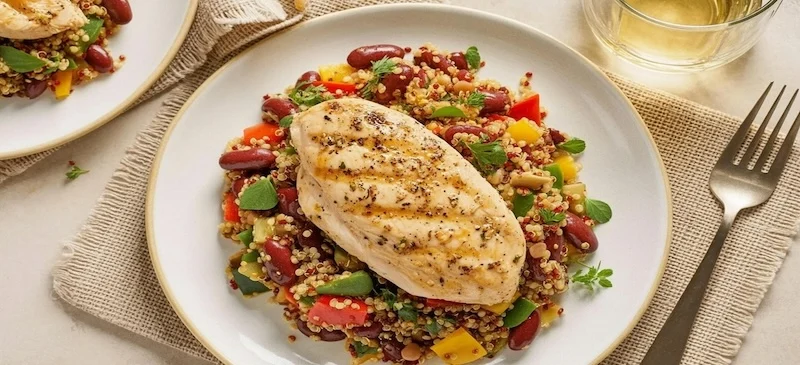
Losing weight doesn’t have to mean following an extreme diet, cutting out your favorite foods or obsessively counting every calorie. In fact, sustainable weight loss often comes down to making small, consistent dietary changes and healthy daily habits that support your metabolism, energy levels and overall wellness.
For many people, the biggest challenge is simply knowing where to start. The good news is that simple adjustments, like eating more protein, adding vegetables to meals, improving hydration and reducing highly processed foods, can make a meaningful difference over time.
Instead of focusing on quick-fix fad diets, the healthiest approach to fat loss is building habits you can realistically maintain long term. Sustainable nutrition supports not only weight management, but also better energy, improved digestion, healthy blood sugar levels and reduced cravings.
Below, we’ll cover easy dietary changes for weight loss, healthy food swaps, common weight loss mistakes, sustainable fat loss strategies and practical habits that can help support a healthier body composition.
Quick, easy dietary changes for weight loss
One of the easiest ways to begin losing weight is by taking an honest look at your current eating habits. Instead of overhauling your entire diet overnight, start by identifying the areas where you tend to struggle most.
For some people, that may be late-night snacking. For others, it might be constantly reaching for sweets after meals, skipping meals during the day and overeating at dinner, or relying heavily on packaged convenience foods.
Doing a simple “diet audit” can help you identify patterns that may be working against your goals.
1. Start by identifying your biggest weakness
Ask yourself:
Do you snack excessively after dinner?
Are you constantly craving sweets?
Do you eat too quickly?
Are you skipping meals and then overeating later?
Are you relying heavily on processed foods?
Are you drinking sugary beverages or alcohol regularly?
Once you identify the pattern, you can start making targeted changes instead of trying to fix everything at once.
2. Prioritize protein at every meal
One of the most effective dietary habits for healthy weight management is eating enough high-quality protein.
Protein helps:
Increase satiety
Support healthy muscle mass
Help maintain stable blood sugar
Reduce overeating later in the day
Aim to include a quality protein source at breakfast, lunch, and dinner.
High-protein foods include:
Grass-fed beef
Wild-caught salmon
Eggs
Greek yogurt
Chicken
Bone broth
Collagen-rich protein sources
Organic tofu or tempeh
Many people who struggle with overeating at dinner simply are not eating enough protein earlier in the day.
3. Add more vegetables to meals
Adding vegetables is one of the easiest healthy dietary changes because it increases nutrient density without dramatically increasing calories.
Vegetables provide fiber, water volume, antioxidants, vitamins and minerals, and support for digestion and gut health. Fiber-rich vegetables can also help naturally crowd out highly processed foods while helping you feel fuller for longer.
Try aiming for vegetables at lunch and dinner, and fill half your plate filled with non-starchy vegetables. And include a variety of colorful produce, such as:
Broccoli
Brussels sprouts
Cauliflower
Zucchini
Spinach
Kale
Bell peppers
Mushrooms
Asparagus
4. Slow down while eating
Eating too quickly can make it harder for your brain to recognize fullness cues.
Simple ways to slow down include:
Putting your fork down between bites
Chewing more thoroughly
Eating without distractions
Avoiding eating directly from packages
Taking a few deep breaths before meals
5. Stay hydrated
Hydration is often overlooked when it comes to healthy weight management, but even mild dehydration may contribute to:
Increased cravings
Fatigue
Poor exercise performance
Reduced metabolic efficiency
Overeating
Sometimes people also mistake thirst for hunger.
To make sure you are hydrated, try:
Drinking water consistently throughout the day
Having water before meals
Replacing sugary beverages with sparkling water or herbal tea
Adding electrolytes when needed
Healthy food swaps for weight loss
Healthy food swaps can help reduce excess sugar, refined carbohydrates and highly processed ingredients while still allowing meals to feel satisfying.
The key is not deprivation; it’s improving the nutritional balance of meals.
1. Swap refined pasta for vegetable-based noodles
Instead of eating a large bowl of refined pasta that lacks fiber and protein, try:
Zucchini noodles
Spaghetti squash
Hearts of palm noodles
Chickpea pasta
Pair them with:
Grass-fed meat sauce
Olive oil
Tomato sauce
Vegetables
Fresh herbs
This combination provides more protein, fiber and nutrients while still delivering satisfying flavor.
2. Change your proportions instead of eliminating foods
Weight loss does not always require removing foods completely. It can be a simple matter of changing how much of certain foods you consume.
For instance, instead of a large bowl of pasta with a few vegetables, try a large bowl of vegetables with a smaller portion of pasta.
This simple proportion shift increases fiber and nutrients while naturally lowering calorie density.
3. Replace sugary yogurt with Greek yogurt and fruit
Many flavored yogurts contain significant amounts of added sugar. Instead, have plain Greek yogurt with mashed strawberries or blueberries, cinnamon, and chia seeds.
This provides more protein, less added sugar, better satiety, and fiber and antioxidants from real fruit.
4. Upgrade your bread choices
Some “whole wheat” breads still contain added sugar, refined flour and artificial ingredients.
Instead, try healthier bread options, such as sprouted grain bread, sourdough bread with minimal ingredients and higher-protein bread options.
5. Healthier sweet snack ideas
If you regularly crave sweets, focus on portion-controlled options that provide more nutrients.
Examples include:
Dates with nut butter and dark chocolate
Frozen grapes
Banana slices dipped in dark chocolate
Greek yogurt mixed with chocolate protein powder
Herbal tea after meals
These options may help satisfy cravings while reducing excess sugar intake.
6. Better alternatives to fries and chips
Craving crunchy foods doesn’t mean you have to give up texture and satisfaction.
Instead of fried foods and unhealthy processed chips, try:
Air-fried potato wedges
Roasted sweet potato fries
Crispy Brussels sprouts
Roasted artichoke hearts
Roasted mushrooms
Using olive oil, sea salt, herbs and seasonings can make vegetables feel far more satisfying.
Common weight loss mistakes
Many people unintentionally sabotage their progress despite trying to eat healthier.
Here are some of the most common mistakes that may slow fat loss.
1. Not eating enough calories
Undereating can backfire.
When calorie intake becomes too low, it may contribute to:
Fatigue
Increased cravings
Hormonal imbalances
Muscle loss
Slower metabolism
Overeating later
Sustainable weight loss should support energy and overall health, not leave you feeling depleted.
2. Skipping meals
Skipping meals often leads to:
Intense hunger later
Poor food choices
Blood sugar swings
Overeating at night
Eating balanced meals consistently throughout the day is often more effective.
3. Not eating enough protein
Many people underestimate how much protein they need.
Without adequate protein, it becomes harder to maintain muscle, stay full, recover from exercise and support metabolism.
4. Drinking too many calories
Sugary drinks and alcohol can add substantial calories without providing much satiety.
Examples of drinks to limit or avoid include:
Soda
Sweetened coffee drinks
Juice
Cocktails
Excess wine or beer
5. Overdoing sauces and toppings
Extra calories from salad dressings, store-bought granola, sauces, creamers and condiments can add up quickly.
This does not mean avoiding them entirely, but portion awareness matters.
6. Expecting results too quickly
Healthy fat loss takes time. Sometimes people are making positive changes but become discouraged after only a few weeks.
Consistency matters more than perfection.
Sustainable weight loss strategies
Sustainable weight loss is about creating habits you can realistically maintain long term.
If a plan feels miserable, restrictive or impossible to follow consistently, it probably will not work long term. Here are steps to take:
1. Focus on consistency over perfection
Healthy eating does not require perfection. A sustainable approach allows room for travel, social events, celebrations and occasional indulgences.
The goal is building habits you can maintain most of the time, not obsessing over every meal.
2. Build balanced meals
A simple balanced plate may include:
Half non-starchy vegetables
A palm-sized serving of protein
A small serving of healthy carbohydrates, such as sweet potatoes, brown rice, quinoa, beans and fruit
Healthy fats, like olive oil, avocado, nuts and seeds.
3. Support gut health
Gut health can play an important role in digestion, appetite regulation, blood sugar balance, a healthy inflammatory response and hormone production.
A healthy gut microbiome may even support bodywide health.
Ways to support gut health include:
Eating more fiber
Consuming fermented foods
Managing stress
Using a quality probiotic when appropriate
4. Plan ahead for emotional eating
Stress eating is extremely common.
Instead of relying solely on willpower, create a plan before stress hits. Helpful strategies may include having healthier snacks available for when stress may arise, such as:
Dark chocolate and herbal tea
Greek yogurt with protein powder
Frozen fruit
Portion-controlled snacks
Other ways to help manage stress and potentially prevent stress eating include:
Journaling
Calling a friend
Walking
Meditation
Breathwork
Stretching
Listening to music
Having healthy coping tools prepared in advance can make a major difference.
Healthy weight management strategies
Healthy weight management involves more than food alone.
Several lifestyle factors strongly influence hunger, metabolism, cravings and fat storage.
1. Prioritize sleep
Poor sleep may:
Increase hunger hormones
Increase cravings
Reduce energy
Affect blood sugar regulation
Contribute to weight gain
Aim for consistent, quality sleep whenever possible.
2. Manage stress levels
Excess stress may increase cortisol levels, which can influence:
Appetite
Cravings
Emotional eating
Belly fat storage
Daily stress management practices can support both mental and physical health.
3. Walk after meals
Walking for even 10 minutes after meals may help support healthy blood sugar, aid digestion, increase daily movement and support metabolism.
This simple habit can have meaningful long-term benefits.
4. Stay active consistently
Exercise does not need to be extreme. Consistency matters more than intensity.
Healthy movement habits may include:
Walking
Strength training
Yoga
Cycling
Swimming
Hiking
5. Consider supportive supplements
Supplements should never replace healthy nutrition, but some may help support weight management goals.
Examples include:
Protein powders
Bone broth protein
Collagen protein
Probiotics
Electrolytes
Protein supplements may be especially helpful for people who struggle to meet protein needs through food alone. For example, Ancient Nutrition’s Chocolate Bone Broth Protein can work as a satisfying high-protein alternative to sugary afternoon snacks or hot chocolate.
Other supplements designed to support active lifestyles and healthy body composition goals when paired with balanced nutrition and regular exercise include:
Active Peptides Metabolism. Active Peptides Metabolism is formulated with bioactive collagen peptides and ingredients designed to support metabolism and body composition goals as part of a healthy lifestyle. The formula is designed to support lean body composition and can be incorporated into a balanced wellness routine. You can get Active Peptides Metabolism in capsule form or powder form (chocolate or guava grapefruit).
Multi Collagen Advanced Lean. Multi Collagen Advanced Lean powder combines multiple collagen sources with clinically studied ingredients designed to support lean body composition, an increase in metabolism and muscle mass and strength. It helps burn nearly 250 calories per day (vs. exercise alone), with continued benefits up to 16 weeks. Capsules may be a convenient option for people looking for 6x more weight loss and to burn 15 percent more calories at rest.
Whey Protein + Fat Loss Blend. Whey Protein + Fat Loss Blend provides protein to help support muscle recovery, satiety and daily protein intake. Adding a protein shake to smoothies or snacks may help support fullness and make it easier to meet protein goals throughout the day.
Precautions
Before making significant dietary changes, it’s important to consider your individual health needs.
Weight loss strategies should always support overall wellness.
Talk with your healthcare provider before beginning a new nutrition or supplement plan if you:
Are pregnant or breastfeeding
Have diabetes
Take medications that affect blood sugar or appetite
Have thyroid conditions
Have a history of disordered eating
Have digestive disorders or chronic medical conditions
Rapid weight loss and highly restrictive diets may increase the risk of:
Nutrient deficiencies
Muscle loss
Hormonal imbalances
Fatigue
Rebound weight gain
Focus on gradual, sustainable progress whenever possible.
Frequently asked questions
What is the easiest dietary change for weight loss?
One of the easiest dietary changes for weight loss is increasing protein and vegetables at meals. This can help improve satiety, reduce cravings and naturally support healthier eating habits.
What foods help burn belly fat?
No single food directly burns belly fat, but foods rich in protein, fiber and nutrients may help support healthy body composition. Examples include lean protein, vegetables, fruit, legumes and healthy fats.
Is it better to cut carbs or calories for weight loss?
Extreme restriction is usually not sustainable. Instead of eliminating carbohydrates completely, focus on choosing higher-quality carbohydrates like vegetables, fruit, beans and whole grains while balancing portions.
How can I stop craving sweets?
Eating balanced meals with adequate protein and fiber may help reduce sugar cravings. Healthier alternatives like fruit, dark chocolate, herbal tea or Greek yogurt with protein can also help satisfy cravings.
Does drinking more water help with weight loss?
Proper hydration may support metabolism, energy, appetite regulation and exercise performance. Sometimes thirst is mistaken for hunger.
Why am I not losing weight even though I’m eating healthy?
Factors like stress, poor sleep, hydration, hormone imbalances, gut health, inconsistent habits, alcohol intake or undereating may all affect weight loss progress.
Are protein supplements good for weight loss?
Protein supplements may help support satiety and muscle maintenance, especially for people who struggle to get enough protein through food alone.
Conclusion
Healthy weight loss does not require perfection, extreme dieting or cutting out every food you enjoy. Often, the most effective approach is making simple, sustainable changes that improve nutrition quality, support satiety and fit realistically into your lifestyle.
Small habits, like eating more protein, adding vegetables to meals, improving hydration, getting enough sleep, managing stress and planning healthier food swaps, can add up to meaningful long-term results.
Instead of chasing quick fixes, focus on building routines you can maintain consistently. Sustainable fat loss is about supporting your body, not fighting against it.
And remember: Progress comes from consistency over time, not from trying to be perfect every single day.
Keri Glassman, MS, RD, CDN, is a nationally recognized registered dietitian, acclaimed author and media personality who has spent over two decades empowering individuals to lead healthier, happier lives. As the founder of the award-winning lifestyle and media company, Nutritious Life, and the coaching and education platform Nutritious Life Studio, Keri has touched the lives of millions worldwide with her science-backed, holistic approach to wellness. Keri is an Ancient Nutrition paid partner and part of Ancient Nutrition's Wellness Roundtable.
Related Articles
May 15, 2026
|recipes
Homemade Energy Bar (with Collagen)
If there’s one thing we prize in the afternoons, it’s energy. In our search for a boost in energy, we often reach for treats that may give us a quick boost but then a sugar crash not that long after. Instead, for sustained energy, make up your own energy bar.
May 12, 2026
|health
How to Lower Ghrelin (the Main Hunger Hormone)
If you’ve ever felt hungry shortly after eating, experienced intense cravings late at night or struggled with appetite while dieting, your ghrelin levels may be involved.
May 11, 2026
|health
Multivitamin Benefits When You Take One Every Day
You eat a variety of foods and consume enough calories for your weight, but it’s still possible you have one or more nutritional gaps in your diet. It’s even more possible if you follow certain dietary restrictions, deal with certain health conditions or take medications that may diminish nutrients.
May 7, 2026
|health
31 Healthy Swaps for Highly Processed Foods
As we all know too well, processed and ultra-processed foods are everywhere. While some are obviously junk food (think cheese curls and frozen “ice cream” treats), many are often disguised as healthy foods.




- © 2010-26 Ancient Brands, LLC. All rights reserved.
- Terms of Use
- Privacy Policy
- CPRA Privacy Policy/Notice of Collection
- Do Not Sell or Share My Personal Information
- Consumer Health Data Privacy Policy