

Shop by Goal
Shop by Category
Shop by Ingredient
Here's 10$ off from your friend
Discount code copied!
* This offer expires in 3 days
Home/Blog/How to Activate GLP-1 Naturally
How to Activate GLP-1 Naturally
By Keri Glassman, MS, RD, CDN
February 2, 2026
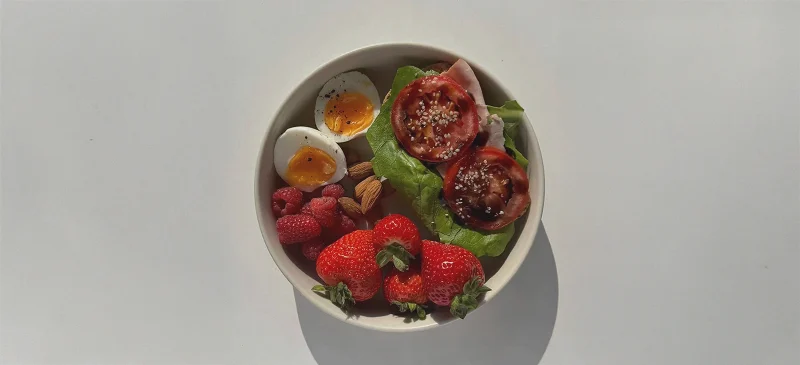
GLP-1 has become one of the most talked-about hormones in health and wellness, and for good reason. From appetite regulation and blood sugar balance to metabolic and cardiovascular health, GLP-1 plays a powerful role in how the body functions day to day.
While GLP-1 medications dominate headlines, what many people don’t realize is that GLP-1 is a hormone your body already makes. It’s not something that was just invented in a lab; we’ve all had it all along.
The good news? Whether or not someone ever uses medication, there are natural ways to activate GLP-1 through nutrition, lifestyle and gut health support.
Learning how to boost GLP-1 naturally can help improve metabolic health, satiety, appetite control and more.
What is GLP-1 and why is it important?
GLP-1 (glucagon-like peptide-1) is a hormone released from specialized cells (L-cells) primarily in the gut in response to eating. It plays several critical roles in metabolic health, including:
Promoting feelings of fullness and satiety
Slowing gastric emptying (how quickly food leaves the stomach)
Supporting healthy blood sugar and insulin response
Reducing excessive appetite and “food noise”
Aiding gut-brain signaling to help support better energy balance
GLP-1 is released from the gut, so when you have a healthy gut, you’re better able to release your own GLP-1 naturally.
In short, GLP-1 helps the body communicate that it’s nourished, satisfied and metabolically supported. It’s something your body makes, and you can support its production through diet and lifestyle.
In healthy adults, post-meal GLP-1 release is strongly associated with healthy glucose control and appetite regulation in clinical research.
GLP-1 hormone vs. GLP-1 drugs: What’s the difference?
One of the biggest points of confusion is the difference between natural GLP-1 and GLP-1 medications.
GLP-1 drugs (such as semaglutide and other GLP-1 receptor agonists) work by mimicking the action of GLP-1 at the receptor level. They are not actual GLP-1 hormones, but compounds that act similarly.
When you take the medication, you’re taking something that’s acting as an agonist. It’s telling the receptors, “You’re satisfied.” That’s different from stimulating your body to release more of its own GLP-1.
GLP-1 receptor agonists are lab-developed compounds that mimic GLP-1 action at receptors. They don’t increase your own GLP-1 production, but act like it, which can help with appetite control and glucose balance under medical supervision.
There are many people that don't have adequate amounts of GLP-1, or their GLP-1 isn't working adequately. There are things going on in their system that make their GLP-1 not work as efficiently.
Some people need insulin. Some people need GLP-1s. It’s a great tool for some people to utilize. It just shouldn’t be abused or used irresponsibly.
And when it is used, it should be used alongside lifestyle factors. That’s where natural GLP-1 optimization becomes essential.
Natural ways to activate GLP-1
1. Foods to eat
Diet plays one of the most significant roles in stimulating GLP-1 naturally. Here are some foods that increase GLP-1 secretion to eat:
Soluble fiber foods
Soluble fiber is especially powerful because it feeds beneficial gut bacteria and is fermented in the gut into short-chain fatty acids, which help trigger GLP-1 release. Examples include:
Oats and barley
Beans, peas and lentils
Apples, pears, berries and oranges
Chia seeds and flaxseeds
Artichokes and asparagus
Brussels sprouts
Carrots
Protein-rich foods
Protein is arguably the strongest dietary trigger for post-meal GLP-1 release in humans. Adequate protein intake supports satiety hormones, including GLP-1. Some of the top protein foods to consume include:
Eggs
Wild-caught fish, such as salmon and tuna
Grass-fed lean meat and poultry
Greek yogurt
Tofu and legumes
Polyphenol-rich foods
Polyphenols help stimulate GLP-1 release and support metabolic health. They also may indirectly aid GLP-1 by supporting insulin sensitivity and gut health. Some of the most effective polyphenol-rich foods include:
Green tea
Coffee
Dark chocolate (in moderation)
Healthy fats
Healthy fats help slow digestion and increase satiety. More specifically, monounsaturated and polyunsaturated fats help slow gastric emptying and enhance satiety signals, including GLP-1. Some of the best to eat include:
Avocado
Olive oil
Nuts and seeds
Fatty fish
Fermented and gut-friendly foods
Fermented foods and probiotic foods support microbiome diversity, which is closely tied to effective incretin hormone signaling. A healthy gut microbiome supports natural GLP-1 production. Some of the best options include:
Yogurt
Kefir
Sauerkraut
Kimchi
Miso
Bitter foods
Bitter foods play a unique and often overlooked role in GLP-1 stimulation. Bitter compounds activate taste receptors not only on the tongue, but also throughout the gastrointestinal tract, where they can stimulate the release of incretin hormones like GLP-1. Examples of GLP-1–supportive bitter foods include:
Arugula, dandelion greens and endive
Radicchio
Bitter melon
Chicory root
Dark cacao (unsweetened)
Herbs and spices
Herbs and spices don’t just add flavor; they deliver bioactive compounds that support blood sugar regulation, gut health and GLP-1 signaling. Several studies have shown that spices rich in polyphenols and other compounds help with insulin sensitivity and post-meal glucose response, indirectly supporting GLP-1 activity, including:
Cinnamon
Ginger
Turmeric
Black pepper
Fenugreek
Oregano
Fruits and vegetables
Whole fruits and vegetables are foundational for natural GLP-1 support due to their fiber, water content and phytochemicals. Human trials consistently show that diets high in vegetables and low-glycemic fruits promote healthy satiety hormone release, gastric emptying and glucose control, all mechanisms linked to GLP-1 signaling. Some of the top GLP-1-supportive fruits and vegetables include:
Berries (blueberries, raspberries, strawberries)
Apples and pears (pectin-rich)
Leafy greens
Broccoli, cauliflower, Brussels sprouts
Squash and carrots
Action steps:
Include at least 25 to 40 grams of fiber daily, focusing on soluble sources.
Aim for roughly 25 to 35 grams of high-quality protein at each meal to support satiety hormones and stable blood sugar, especially at breakfast.
Aim for two to three polyphenol sources per day (such as green tea, berries, dark chocolate or herbs/spices) to support gut health and metabolic pathways involved in GLP-1 activity.
Add one to two servings per meal (olive oil, avocado, nuts, seeds or fatty fish), and pair with protein or fiber to slow digestion and support satiety signaling tied to GLP-1.
Include one serving daily (like kefir, yogurt, sauerkraut or kimchi), and rotate sources weekly to support microbial diversity that helps stimulate GLP-1 release.
Add one bitter element per day, such as a handful of arugula in a salad, cacao nibs on yogurt or a splash of chicory-based coffee alternative.
Aim to use at least two herbs or spices per meal, especially with protein- and fiber-rich foods.
Fill half your plate with non-starchy vegetables at lunch and dinner, and pair fruit with protein or fat to enhance GLP-1 response.
2. Foods to avoid
While no food “destroys” GLP-1, certain foods can impair its effectiveness, such as:
Refined sugars and simple carbohydrates
Ultra-low-fiber diets
Skipping protein regularly
These foods can disrupt blood sugar, gut health and hormonal signaling.
To support natural GLP-1 activity, it also helps to limit or avoid large, high-glycemic meals and extremely low-protein eating patterns.
Eating the right foods, especially in balanced combinations, while avoiding others is one of the most actionable ways to stimulate GLP-1 release.
3. Eating patterns to follow
Beyond what you eat, how you eat matters. Here are some natural ways to boost GLP-1 secretion with eating patterns:
Eat balanced meals with protein, fiber and fat
Avoid long stretches of under-eating followed by overeating
Support circadian rhythm by eating earlier in the day when possible
Eating patterns and circadian rhythm can influence GLP-1, too.
For instance, research published in Frontiers in Endocrinology found that GLP-1 follows a natural 24-hour (circadian) rhythm that is regulated by the body’s internal clock. This rhythm can be disrupted by factors such as poor sleep, irregular light exposure, high-fat diets, obesity and imbalances in the gut microbiome.
When GLP-1’s normal daily pattern is disturbed, it may impair glucose regulation and increase the risk of metabolic conditions. Overall, the research suggests that maintaining healthy sleep habits, consistent eating patterns and good gut health may help support normal GLP-1 secretion and improve metabolic health.
Here are some things to keep in mind:
Balanced meals: Pair protein, fiber and healthy fats at each meal.
Regular eating times: Spreading meals out to every three to four hours helps maintain steady GLP-1 signaling and hormone balance.
Circadian rhythm support: Emerging evidence suggests that meal timing aligned with natural biological rhythms may enhance GLP-1 responses. When you eat may influence GLP-1 in addition to what you eat.
It’s a good idea to practice time-restricted eating patterns, such as intermittent fasting. This practice has been shown to aid GLP-1 stimulation and insulin sensitivity by aligning food intake with circadian rhythms.
Eating slowly also can enhance gut hormone signaling and helps you feel full with less food. In fact, research has found that chewing thoroughly and savoring food increases GLP-1 and satisfaction levels.
4. Lifestyle habits
Lifestyle creates the foundation for hormone balance, and lifestyle factors strongly influence GLP-1. Here are things to do to support GLP-1:
Exercise
GLP-1 levels have been shown to increase after moderate exercise, helping with appetite control and post-meal satiety. If you’ve ever noticed that you’re less hungry immediately after exercise, it’s likely related to this effect.
Sleep
Poor sleep disrupts satiety hormones, including GLP-1 and leptin. It also increases hunger hormones like ghrelin. Prioritize getting seven to nine hours of quality sleep per night.
Stress management
High stress and elevated cortisol can interfere with hormonal balance. As you can guess, this can affect GLP-1, seeing as it is a hormone itself.
Practices like meditation, gentle movement and breathing work support overall hormone regulation.
Important considerations regarding GLP-1 drugs
For those using GLP-1 medications, lifestyle support becomes even more important.
You don’t want to trade one issue for another, such as losing weight but also losing muscle, bone density or nutrient intake.
Key precautions include:
Prioritizing protein intake
Strength training to preserve muscle, especially lifting weights
Eating nutrient-dense calories
Supporting gut health
Avoiding extreme calorie restriction (eating enough calories)
Supporting bone and brain health
You can’t afford to waste calories by eating non-nutritious foods when you start consuming fewer calories. That’s why focusing on protein and nutrient-dense foods is so vital.
Other tips for stimulating GLP-1
Stay properly hydrated.
Eat adequate total calories.
Lift weights regularly.
Focus on long-term metabolic health, not just weight loss.
Stay hydrated, as even mild dehydration can affect hormone signals.
Eat meals mindfully and slowly to enhance gut-brain communication.
Avoid extreme diets that severely restrict calories without supporting protein and nutrient needs.
When it comes to GLP-1, the most powerful strategy isn’t a shortcut; it’s a foundation.
Supporting GLP-1 through food and lifestyle is an evidence-based strategy grounded in human research and real-world results. It involves improving metabolic health, preserving muscle and doing it the right way.
By incorporating high-quality protein, soluble fiber, fermented foods, healthy fats, mindful eating and lifestyle habits, you harness your body’s natural power to optimize GLP-1 and metabolic wellness peacefully and sustainably.
Take note: Protein alone won’t preserve muscle; you need resistance training, too. Muscle is critical for longevity, and yes, many people lose muscle quickly on these meds if they aren’t careful.
Frequently asked questions
Can you boost GLP-1 naturally without medication?
Yes. Fiber, protein, gut health, exercise, sleep and stress management all support natural GLP-1 release.
Is GLP-1 only about weight loss?
No. GLP-1 also supports blood sugar balance, cardiovascular health, appetite regulation and metabolic health, and research is investigating potential benefits for the brain and beyond.
Does one food “mimic” GLP-1 drugs?
No single food matches the potency of medication, but certain foods strongly stimulate your own GLP-1 production and gut hormone signaling.
How soon can you notice changes?
Hormone responses vary person to person, but consistent dietary and lifestyle changes often show measurable effects in appetite, satiety and energy regulation within weeks.
Is more fiber always better?
Increase fiber gradually, and pair it with fluids to avoid digestive discomfort. It’s not always better, but getting enough fiber is vital for overall health, particularly digestion.
Conclusion
GLP-1 isn’t just a medication trend; it’s a hormone your body has relied on all along.
By focusing on fiber-rich foods, adequate protein, gut health, movement, sleep and stress management, you can support your body’s natural GLP-1 response and build sustainable metabolic health, whether or not medication is ever part of the picture.

Keri Glassman, MS, RD, CDN, is a nationally recognized registered dietitian, acclaimed author and media personality who has spent over two decades empowering individuals to lead healthier, happier lives. As the founder of the award-winning lifestyle and media company, Nutritious Life, and the coaching and education platform Nutritious Life Studio, Keri has touched the lives of millions worldwide with her science-backed, holistic approach to wellness. Keri is an Ancient Nutrition paid partner and part of Ancient Nutrition's Wellness Roundtable.
Related Articles
January 29, 2026
|health
Peptide Supplements for Appetite Control, Cortisol Balance, Sleep Support and More
People are increasingly seeking supplements that go beyond “one-size-fits-all” nutrition. Introducing peptide supplements, which are marketed for specific benefits like skin health and joint comfort (think collagen peptides), muscle recovery, appetite control, cortisol support, quality sleep and more.
January 28, 2026
|health
Want to Lose Weight? 22 Best Supplements, Eating Strategies and Exercises
Weight loss. It's the most common health goal but also likely the most abandoned one, in part because of overly restrictive dietary regimens or sometimes life just getting in the way. (Check out the 18 reasons you are not losing weight.)
January 26, 2026
|health
17 Functional Exercises for Healthy Aging, Plus Overall Routine
All of us, no matter our age, hope to age gracefully and live healthfully to an old age. So not just manage to make it to a ripe age but do so with good health intact. Besides a healthy aging diet alongside certain key supplements, certain types of exercise and activity are critical.
January 23, 2026
|health
Creatine and Protein: the Most Recommended Supplement Stack
Seeking improved athletic or workout performance? Enhanced strength? More lean body mass or muscle support? Less body fat? Then you may want to consider the most commonly recommended “supplement stack” for today’s athlete: creatine and protein (typically whey protein).




- © 2010-26 Ancient Brands, LLC. All rights reserved.
- Terms of Use
- Privacy Policy
- CPRA Privacy Policy/Notice of Collection
- Do Not Sell or Share My Personal Information
- Consumer Health Data Privacy Policy