

Shop by Goal
Shop by Category
Shop by Ingredient
Here's 10$ off from your friend
Discount code copied!
* This offer expires in 3 days
Home/Blog/17 Functional Exercises for Healthy Aging, Plus Overall Routine
17 Functional Exercises for Healthy Aging, Plus Overall Routine
By Ethan Boldt
January 26, 2026
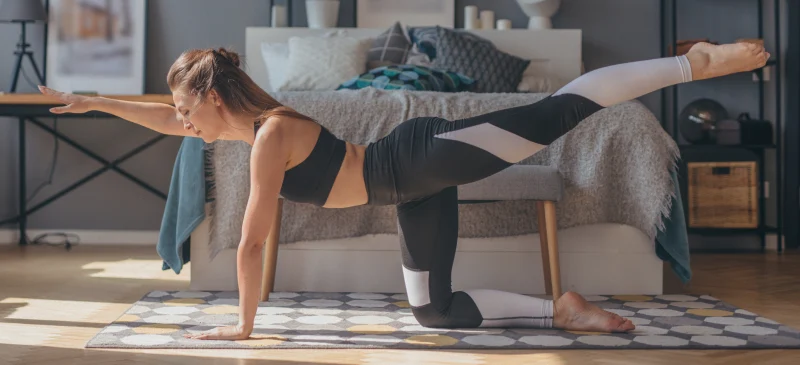
All of us, no matter our age, hope to age gracefully and live healthfully to an old age. So not just manage to make it to a ripe age but do so with good health intact. Besides a healthy aging diet alongside certain key supplements, certain types of exercise and activity are critical.
After all, we hope to be strong, mobile and independent for as long as possible. This means preserving and strengthening the muscles, promoting healthy joints, supporting heart health, maintaining balance and mobility, and more. We’re talking incorporating strength, cardiovascular and mobility/balance/functional training into your weekly routine.
As you will see, a well-rounded healthy aging routine combines all of these exercise types rather than relying on just one. These functional exercises below will help bolster your muscle mass, bone density, balance and coordination, joint health, and everyday strength — all important aspects of healthy aging.
Most common physical issues as one ages
As we age, certain body issues become more common due to natural changes in muscle, joints, hormones and metabolism. While aging is different for everyone, these are some of the most frequently reported physical concerns in older adults:
Muscle loss and weakness: This can begin as early as the 30s, accelerating with age. Unabated, this can lead to reduced strength, slower metabolism and increased difficulty with everyday activities like climbing stairs, carrying groceries, etc.
Joint discomfort and stiffness: This can affect many older adults. Knees, hips, shoulders and hands are especially vulnerable due to cartilage wear and reduced joint lubrication.
Reduced bone density: This increases fracture risk, particularly in the hips, spine and wrists. This is especially common in postmenopausal women but also affects aging men.
Low back pain: This is frequently reported and is often linked to normal disc degeneration, poor posture and weakened core muscles.
Balance and mobility issues: This becomes more prevalent with age due to muscle weakness, slower reflexes, and changes in vision or inner ear function. These issues can significantly raise the risk of falls.
Loss of flexibility and mobility: This can make daily movements feel stiff or restricted, increasing injury risk and reducing independence.
Slower recovery and increased fatigue: This occurs as the body becomes less efficient at repairing tissues and managing stress, especially without adequate sleep, nutrition and physical activity.
Metabolic and cardiovascular issues: Insulin imbalances, blood pressure fluctuations and reduced endurance can also become more common and affect energy levels and overall health.
Best types of exercise to age healthfully
Each of these exercises types can play an important role in healthy aging:
Strength training: Considered the most important exercise for aging, it preserves muscle mass, bone density and metabolism while reducing the risk of falls and injuries. Strength training exercises should be performed two to three times per week.
Cardiovascular exercise: Supporting heart and lung health, circulation, and endurance, “cardio” can be done most days of the week. Use a step monitor and aim to get above 5,000 steps per day. Choose low-impact options like walking, swimming, cycling or rowing.
Mobility and flexibility exercises: To keep joints moving well and reduce stiffness, do gentle stretching, yoga or daily mobility routines help maintain range of motion and improve posture.
Balance and stability exercises: Essential for fall prevention and confidence in daily movement, think single-leg stands, heel-to-toe walking, and practices like tai chi.
Functional and power-based movements: To help maintain the ability to perform everyday tasks such as climbing stairs or getting up from a chair, it’s important to do simple movements like sit-to-stands, step-ups or light medicine-ball exercises.
Best healthy aging exercises
Functional exercises train your body to move the way it does in everyday life — helping you stay strong, mobile and independent. The best ones focus on pushing, pulling, hinging, squatting, carrying, rotating and balancing.
Protocol:
Aim to do 2 sets of each exercise, and 2 to 3 times a week. (See routine below that also incorporates cardio.)
Aim for 8 to 12 reps per exercise unless otherwise stated.
Do 2 to 3 rounds of each circuit before moving onto the next.
1. Lower body (daily movement strength)
Squats / chair stands – for standing up and sitting down
Step-ups – for climbing stairs
Reverse lunges – for walking, getting off the floor
Hip hinges / deadlifts – for picking things up safely
Bodyweight squats
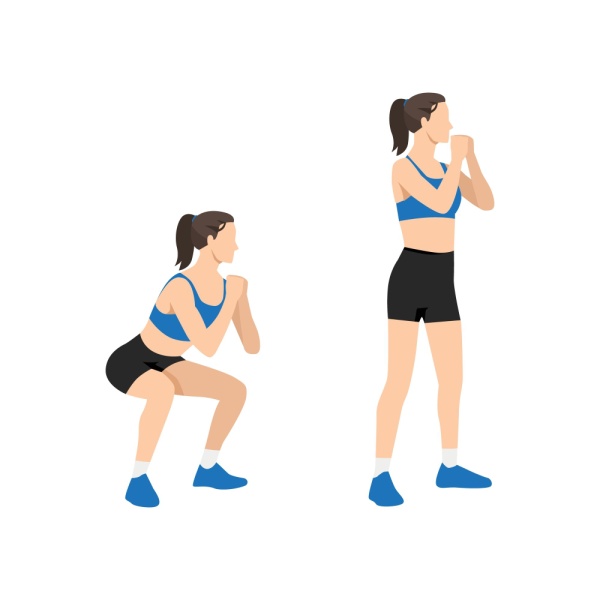
To perform a free-standing squat, stand with feet about shoulder-width apart and toes slightly turned out. Engage your core, keep your chest upright, and begin the movement by pushing your hips back and bending your knees as if sitting into a chair. Lower until your thighs are parallel to the floor or as low as your mobility allows, keeping your heels grounded and knees tracking over your toes. Press through your heels to return to standing. Advanced version: Use dumbbells.
Step-ups
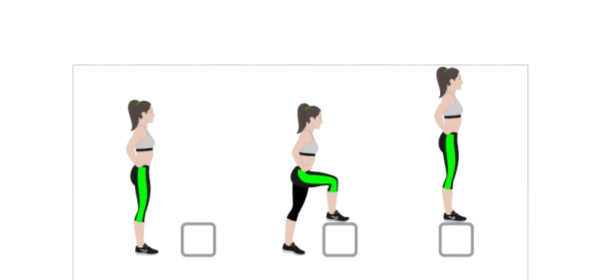
Step one foot onto a sturdy platform or step, press through the heel to lift your body up, then step back down with control and repeat on the other side. You may need to hold onto a support, such as a banister, while doing the move. Advanced version: use a dumbbell.
Reverse lunge
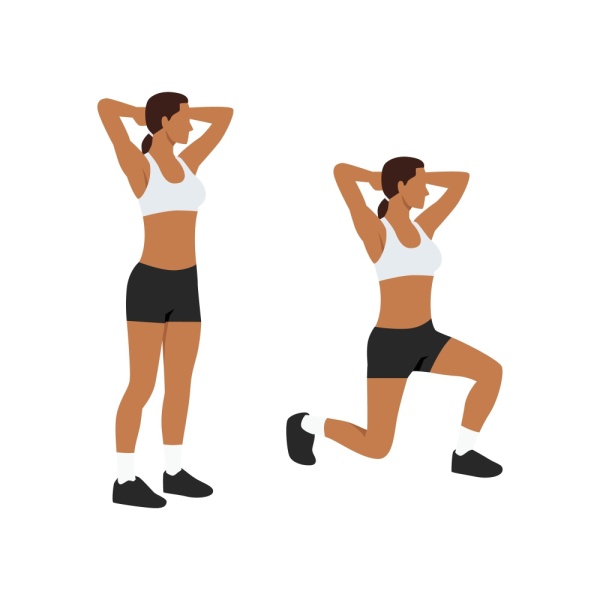
Holding dumbbells at your sides, step one foot back into a lunge, lower until both knees are bent, then push through the front heel to return to standing and switch sides. Advanced version: Use a dumbbell.
Hip hinges (with resistance bands)
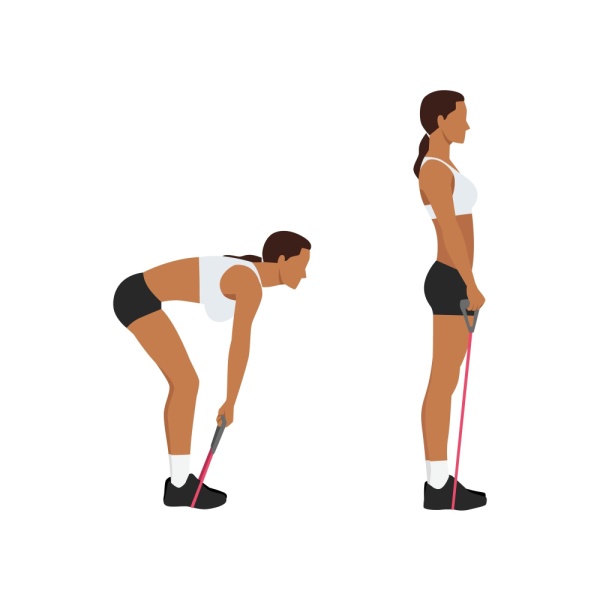
With a neutral spine, push your hips back while keeping a slight bend in the knees, then drive the hips forward to return to standing. Advanced version: Deadlift with dumbbells.
2. Upper body (push and pull)
Push-ups (wall, incline or floor) – for pushing doors, getting up
Rows (use bands, dumbbells) – for posture, pulling objects closer
Overhead press – for lifting items onto shelves
Wall push-ups
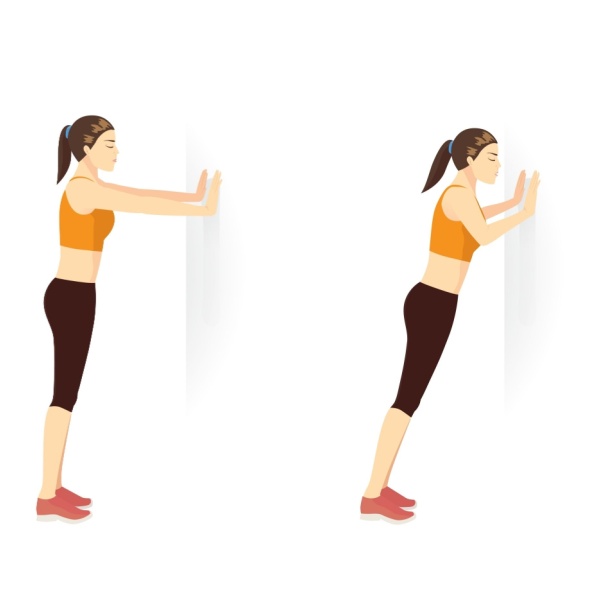
Standing arm’s length from a wall, place your hands on the wall and lower your chest toward it, then press back to the starting position with control. Advanced: Regular push-ups
Dumbbell rows
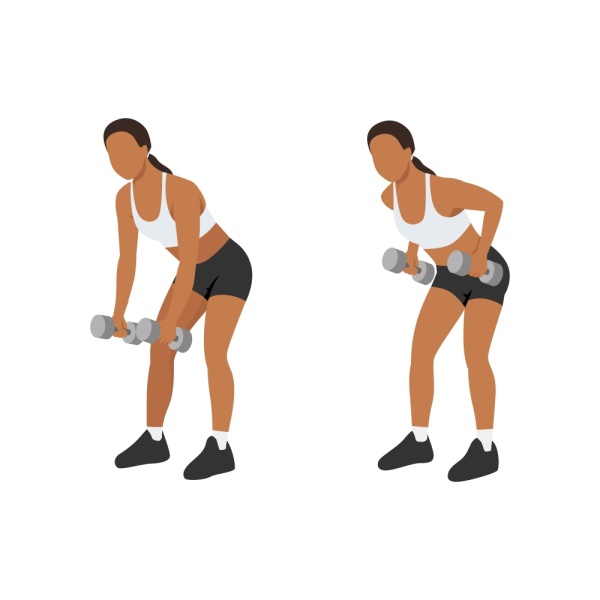
With a flat back and core engaged, pull the dumbbells toward your hips, squeeze your shoulder blades together, then lower with control.
Dumbbell overhead press
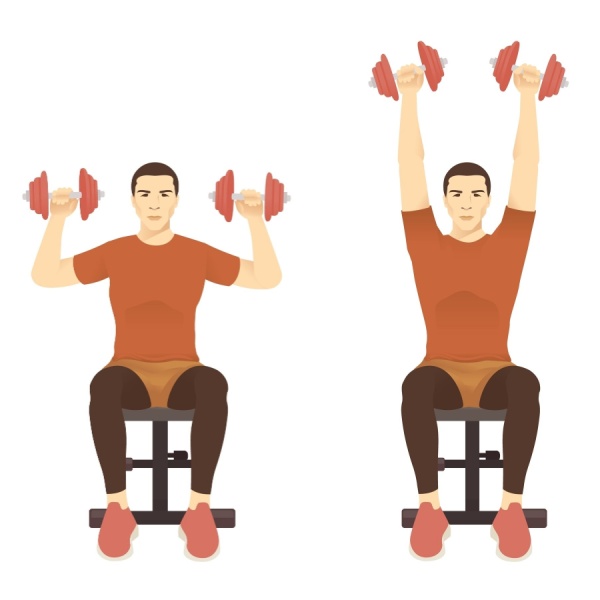
Sit on a bench or study chair. Press the dumbbells overhead until arms are extended, then lower them back to shoulder height with control.
3. Core and stability
Planks – for total-body stability
Bird dogs – for lower back strength, spine support and coordination
Dead bugs – for core control without strain
Plank
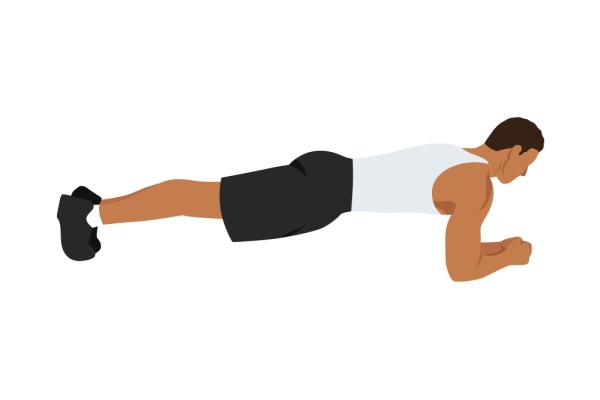
Hold a straight line from head to heels while engaging the core, glutes, and shoulders. For each set, do two 30-second holds.
Bird dogs
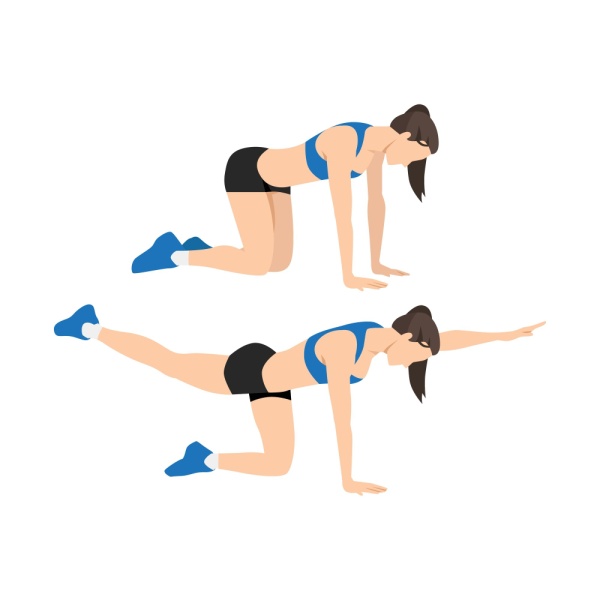
From a hands-and-knees position, extend the opposite arm and leg, keep the core engaged, then return with control and switch sides.
Dead bugs
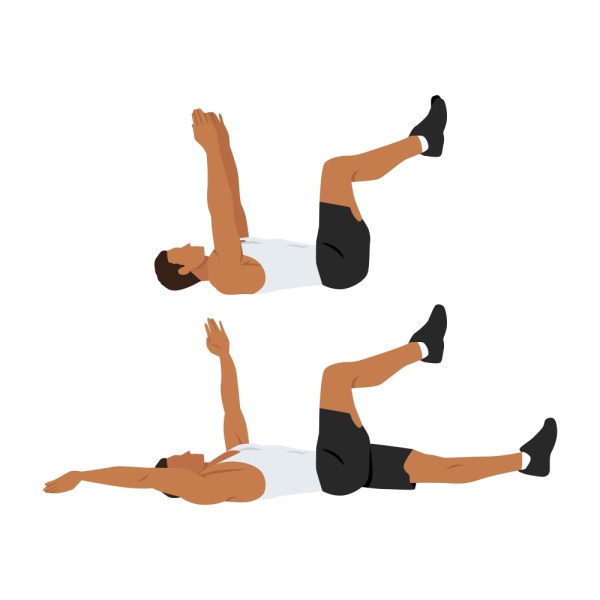
Lying on your back, extend opposite arm and leg while keeping your core engaged and lower back pressed into the floor, then return to start and switch sides.
4. Balance and fall prevention
Single-leg stands
Heel-to-toe walking
Step-and-hold drills
Single-leg stands
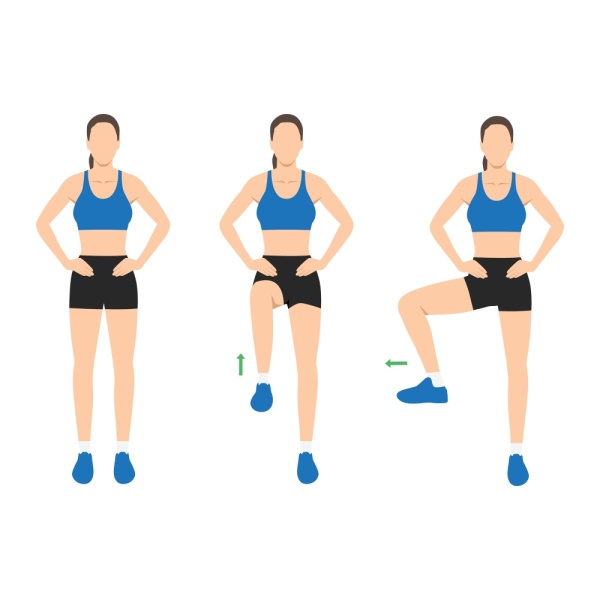
Stand on one leg with your core engaged, hold the position with control, then switch sides. Hold the position for 20–30 seconds per side.
Heel-to-toe walking
Walk forward by placing the heel of one foot directly in front of the toes of the other, keeping your core engaged and posture upright. Aim for 10–20 slow, controlled steps.
Step-and-hold drills
Step forward or to the side, pause briefly to stabilize on one leg, then return to the starting position and repeat. 5–10 reps per side.
5. Carry and grip strength
Farmer’s carries – carrying groceries, suitcases
Suitcase carries – unilateral core strength
Farmer’s carry
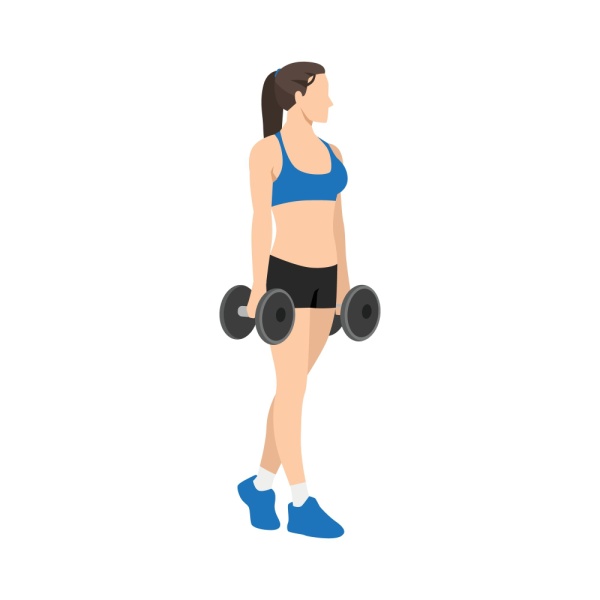
Hold weights at your sides, stand tall, and walk forward with controlled steps while keeping your core engaged. Aim for 20–40 seconds per set or a distance of about 20–40 yards.
Suitcase carry
Hold a weight in one hand at your side, walk forward with controlled steps while keeping your torso upright, then switch sides. Aim for 20–40 seconds per side or about 20–40 yards.
6. Rotation and mobility
Torso rotations (bands or medicine ball)
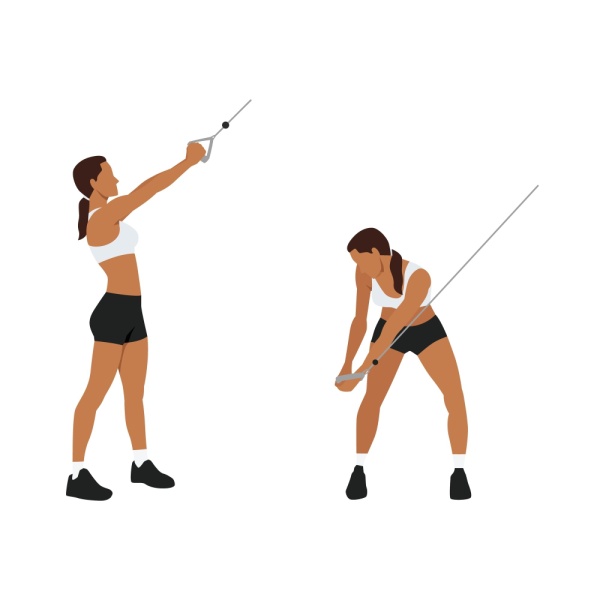
Standing chops and lifts
Torso rotations (with medicine ball)
Stand with feet about shoulder-width apart and hold a medicine ball at chest height with both hands. Rotate your torso side to side with control while keeping hips stable and core engaged. Do both sides.
Standing chops
Using a weighted cable or resistance band, pull the weight diagonally across your body with control while keeping your core engaged and hips stable. Do both sides.
Sample healthy aging exercise routine
While the routine above will cover a lot of bases for healthy aging, an additional focus on strength and mobility along with more cardio work will be even more beneficial. Here’s what a sample week of exercise can look like:
Healthy aging exercise routine (above): 2 times a week
Beginning strength training routine, which focuses on pure strength and offers variety (see X): 1–2 times a week
Cardio (walking, swimming, cycling, elliptical or rowing): 5–6 days a week for a minimum of 30 minutes
Mobility / flexibility / stability class or online video (yoga, Pilates or tai chi): 1–2 times a week (optional)
Sample healthy aging exercise week:
Monday: Healthy aging exercises + 30 min. walk
Tuesday: Yoga or Pilates + 30 min. cycling
Wednesday: Strength training + 30 min. elliptical/rowing
Thursday: Pilates or tai chi + 30 min. walk
Friday: Healthy aging exercises + 30 min. elliptical/rowing
Saturday: 45 min. cycling
Sunday: Off
Conclusion
Healthy aging isn’t about extreme workouts — it’s about consistency and variety.
Strength training forms the foundation, while cardio, mobility and balance keep the body resilient and independent over time.
The best functional exercises mimic real-life movement patterns, improve coordination and build strength that actually carries over to daily tasks.
Ethan Boldt is the head of content at Ancient Nutrition, is co-author of the book 5-Factor Fitness and was a former Certified Personal Trainer (CPT) by the National Strength and Conditioning Association.
To avoid risk of injury, please seek advice directly from your physician, especially if you have existing medical issues, before beginning any exercise program.
Related Articles
January 16, 2026
|health
22 Healthy Snacks for Weight Loss
If we’re putting together a fat loss day, a healthy snack should be included and can help towards your goal of losing weight. A healthy snack for weight loss should accomplish a few key things — like control hunger, satisfy cravings, support healthy levels of blood sugar, and support muscle and the metabolism — without excess calories. The sweet spot for a healthy snack is a balance of protein, fiber and healthy fats.
April 1, 2025
|health
Longevity Supplement for Healthy Aging, Cellular Energy, Skin & More
We think of longevity, what comes to mind? How about aging healthfully and feeling vigorous into older age, including having healthy and flexible joints, radiant skin, and energy to spare?
January 7, 2026
|recipes
Collagen Brownies
Last week, I threw a few scoops of collagen into a batch of brownies, and they didn’t last more than an hour after school. The kids had no idea there was collagen in there. A total mom win.
August 1, 2025
|recipes
Chocolate Chia Seed Pudding: High in Protein and Fiber
A chia seed pudding is one of those healthy snacks that many of us, truth be told, have yet to make. Perhaps a chocolate version will convince you to give it a try? It’s worth it!



- © 2010-26 Ancient Brands, LLC. All rights reserved.
- Terms of Use
- Privacy Policy
- CPRA Privacy Policy/Notice of Collection
- Do Not Sell or Share My Personal Information
- Consumer Health Data Privacy Policy