

Shop by Goal
Shop by Category
Shop by Ingredient
Here's 10$ off from your friend
Discount code copied!
* This offer expires in 3 days
Home/Blog/Surprising Benefits of Pumpkin, Plus Favorite Recipes
Surprising Benefits of Pumpkin, Plus Favorite Recipes
By Ethan Boldt
September 28, 2026
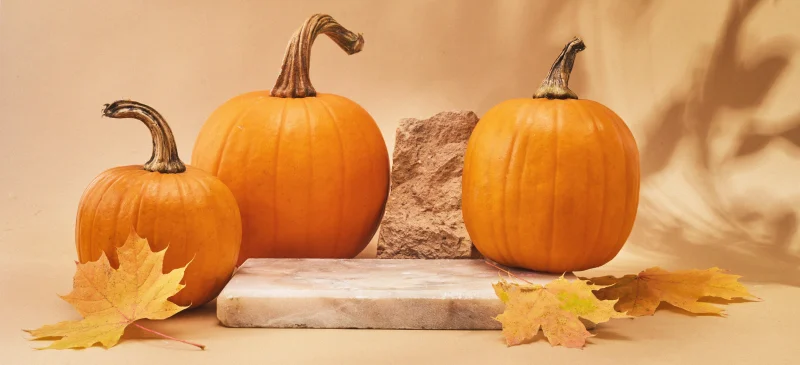
Pumpkin is too often relegated to just a Fall dessert, such as pumpkin pie, or a snack like pumpkin bread. But you’d be surprised to see how much nutrition a pumpkin contains and how many benefits it can provide you.
It's one of the greatest sources of vitamin A, rich in other antioxidants and also high in fiber. Pumpkin benefits include the ability to help support skin and eye health, plus help keep blood pressure levels healthy.
What is a pumpkin exactly?
Though we typically think of pumpkins as vegetables (since they are a type of squash), they are technically fruits. That's because fruits are edible products of seed-bearing, flowering plants.
A type of winter squash that usually comes from the Cucurbita pepo or Cucurbita maxima plants, it's related to veggies and fruits like watermelon, zucchini and cucumber.
Not only can you eat the "flesh" of pumpkin (the smooth, orange filling), but you can also enjoy the seeds and even the leaves and juices from the plant. These are all full of nutrients, including healthy fatty acids.
Nutrition facts
Pumpkin nutrition is outstanding, as it’s high in fiber, low in calories, basically fat-free, and full of vitamins and minerals, including vitamin A, vitamin C, potassium, copper, manganese and more.
Pumpkin seeds and pumpkin seed oil are also full of healthy properties.
According to the U.S. Department of Agriculture, one cup (approximately 245 grams) of boiled, unsweetened, mashed pumpkin contains about:
49 calories
12 g carbohydrates
1.8 g protein
0.2 g fat
2.7 g fiber
12,231 IU vitamin A (245% DV)
11.5 mg vitamin C (19% DV)
564 mg potassium (16% DV)
0.2 mg copper (11% DV)
0.2 mg manganese (11% DV)
0.2 mg riboflavin (11% DV)
2 mg vitamin E (10% DV)
1.4 mg iron (8% DV)
73.5 mg phosphorus (7% DV)
22 mcg folate (6% DV)
22 mg magnesium (6% DV)
*Daily Value: Percentages are based on a diet of 2,000 calories a day.
As you can see, pumpkin is a nutrient-dense, relatively low-calorie food that's especially rich in vitamin A–promoting carotenoids, including beta-carotene. One cup of cooked, mashed pumpkin provides about 49 calories and 2.7 grams of fiber, along with vitamin C, potassium, copper, manganese, vitamin E, iron, phosphorus, folate and magnesium.
Benefits of pumpkin
1. High in antioxidants
Pumpkin contains several phyto-constituents belonging to the categories of alkaloids, flavonoids, and palmitic, oleic and linoleic acids. Studies indicate that pumpkin can support healthy inflammation levels and deliver important antioxidants.
Beta-carotene is one type of carotenoid antioxidant that is responsible for pumpkins' signature orange color. Studies show that eating vitamin A/beta-carotene foods helps support eye, heart and brain health. This is due to vitamin A helping to fight both oxidative stress and free radicals , which can promote healthy cells and neurons.
2. Can help support heart health and healthy blood pressure
A one-cup serving of cooked pumpkin provides about 16 percent of your daily potassium needs. Potassium is an electrolyte that many adults lack in their diets, considering it's primarily found in veggies and fruits such as bananas, potatoes, squash, pumpkins and avocados.
Consuming enough potassium offers benefits such as supporting heart health, healthy blood pressure and even can balance out sodium in your diet.
3. Provides fiber for gut health
Studies continue to show that eating plant foods high in antioxidants and fiber like pumpkin can benefit the entire body, especially the gut. Fiber helps by promoting healthy elimination and relieving occasional constipation. It also works with healthy probiotic bacteria in the gut and helps them thrive.
Another benefit of eating more fiber is that it helps make you feel full, which can allow you to control your calorie intake and manage your healthy weight.
Favorite pumpkin recipes
You can find both fresh/whole pumpkins and canned pumpkin puree in both grocery stores and farmers markets. While canned type is easier to use, freshly carved and cooked pumpkin may taste a bit better and pack in even more antioxidants.
If you do choose to buy and cook whole pumpkins, look for those that feel heavy for their size, are firm, smooth and have no noticeable rotting spots.
Pumpkin is used in a variety of cuisines and pairs well with spices like cinnamon, ginger, cardamom, turmeric, nutmeg, cayenne, vanilla and black pepper. It becomes very popular in the U.S. in the fall each year, used in desserts, breads/muffins, soups, butters, salads and more.
Here are some recipes that use pumpkin (puree):
Pumpkin overnight oats — A popular breakfast that you can grab and go, this pumpkin spice version will delight your taste buds.
Baked pumpkin oatmeal — This is a perfectly balanced breakfast that will keep you going all morning long.
Pumpkin spice smoothie — While most pumpkin smoothie recipes use pumpkin purée and can be quite fussy, this one requires just four ingredients and makes for a balanced breakfast or snack.
Pumpkin spice waffles — Move over unhealthy waffles and hello Pumpkin Spice Waffles, with plenty of protein and healthy fats.
Creamy pumpkin soup — This soup is infused with protein, collagen and a delicious butternut squash flavor that compliments the pumpkin.
Pumpkin chia seed pudding — This high-protein chia seed pudding includes multiple nutrient-rich ingredients and makes for a great snack or dessert.
Pumpkin energy balls — If you haven't had energy balls, know that they're easy to make, ready right away and are an ideal mixed macro snack.
Spiced pumpkin bread — Here's a Starbucks copycat pumpkin bread recipe that ups the nutrients and lowers the calories.
Pumpkin spice coffee cake — Sometimes you want the perfect fall snack next to your coffee. Consider this option No. 1.
Pumpkin spice muffins — Want a healthy pumpkin muffin? Try this recipe that's relatively low in sugar yet includes healthy fats and plenty of protein.
Pumpkin spiced cookies — Delicious fall season cookies that only uses healthy ingredients yet taste decadent.
Featured in many of the above recipes is Ancient Nutrition's Bone Broth Protein Pumpkin Spice. It has a delicious flavor and is lightly sweetened with cinnamon and stevia extract rather than regular sugar, keeping the carb content and calories low. It’s gluten-free and made without dairy or soy and made from grass-fed and pasture-raised beef bone broth, which naturally contains collagen types I and III. It supports your healthy skin, joints and gut.
Some popular recipes that use Bone Broth Protein Pumpkin Spice but no pumpkin include pumpkin spice latte, Moscow mule mocktail, pumpkin spice pancakes and pumpkin spice French toast.
Ancient Nutrition's also makes the seasonal flavor Pumpkin Cream Multi Collagen Protein, which can be substituted for some of the above ingredients. It can also be used in a pumpkin cream cold foam.
Related Articles
June 5, 2026
|health
17 Ways to Boost Gut Health
In the past decade, the importance of gut health has taken center stage in the health and wellness space. For example, did you know that your gut houses between 70 percent and 80 percent of the cells that make up your immune system?
August 5, 2026
|health
How to Optimize Muscle Recovery
Muscle recovery is an important element of daily life, regardless of your age. When your muscles are recovered, your energy levels are back to normal and that sense of fatigue is gone, your limbs feel light and loose rather than heavy and stiff, and your joints feel healthy rather than achy.
August 18, 2025
|health
Best Back-to-School Supplements: 6 Key Categories
On the long list of “back to school essentials,” supplements might not seem like an obvious item on the list. But given the stress that high school and college students can place on their bodies and minds, being armed with some key supplements is a sound strategy.
November 3, 2025
|health
26 High-Fiber Foods for Gut Health Support
Did you know that an estimated 95 percent of American adults and children don’t get the recommended daily amount of fiber in their diet? In part it’s because we simply don’t eat enough fiber-rich foods, including not knowing what are the best high-fiber foods that we may also enjoy eating. This list below will provide just that.




- © 2010-26 Ancient Brands, LLC. All rights reserved.
- Terms of Use
- Privacy Policy
- CPRA Privacy Policy/Notice of Collection
- Do Not Sell or Share My Personal Information
- Consumer Health Data Privacy Policy