

Shop by Goal
Shop by Category
Shop by Ingredient
Here's 10$ off from your friend
Discount code copied!
* This offer expires in 3 days
Home/Blog/Best Probiotics Drinks for Gut Health (and How to Make Your Own)
Best Probiotics Drinks for Gut Health (and How to Make Your Own)
By Ethan Boldt
December 30, 2025
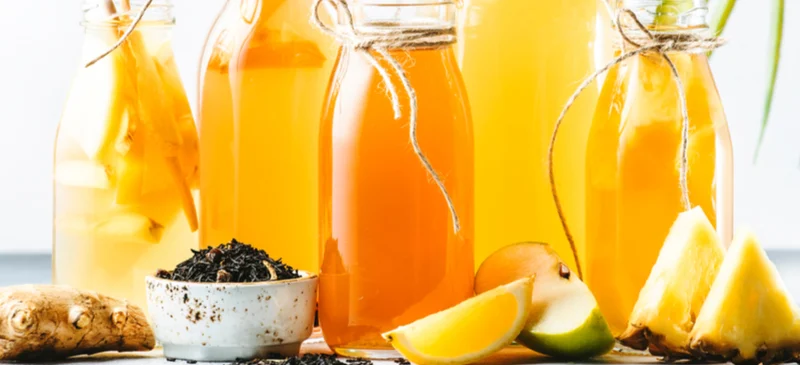
Probiotic drinks seem to be everywhere, with even probiotic sodas taking off in popularity. They’re popular because they not only can be good for you, they directly promote gut health, a topic that most of us care a lot about.
If you’re new to probiotic drinks — which include beverages like kombucha, kefir and kvass — you might be surprised to know how many options are now available … and you probably want to learn how to make your own. Read on.
As always, you should consult your healthcare professional prior to beginning any new dietary or lifestyle regimen, including dietary supplementation.
What is a probiotic drink?
Probiotics, or “good bacteria” (microorganisms introduced into the body for their beneficial qualities) found in the digestive tract, are types of live bacteria and yeasts that are beneficial for the digestive system and healthy immune system, plus promote regular bowel function.
Here are the most common types of probiotic drinks:
Dairy probiotic drinks consist mainly of kefir or “drinkable yogurt.” Kefir differs from yogurt because it’s made with kefir grains and usually contains different strains of beneficial gut bacteria.
Tea and fruit-based probiotic drinks are usually called kombucha, and these are made with tea, sugar and yeast. Kombucha is a good probiotic drink option for those who are lactose intolerant or sensitive to dairy.
Fermented grain-based juices, such as kvass, which is a traditional Slavic and Baltic beer-like beverage that has a sour taste and is commonly made from fermented rye bread.
Fermented vegetable-based juices are made from the juice of green cabbage or red beets.
Cultured coconut drinks, also called coconut kefir, are made with coconut water and kefir grains.
Water kefir is a fermented beverage that is made by adding kefir grains to sugar water.
Probiotic-infused waters are typically flavored waters that have supplemental probiotic strains added to them. Depending on the brand, other beneficial ingredients like lemon juice, ginger, cayenne pepper or apple cider vinegar may also be added.
Each type of probiotic beverage is different thanks to the various probiotic strains it contains. Specific strains of lactic acid bacteria, in particular the type called Lactobacillus, have been extensively studied as health-promoting probiotics.
In addition to certain beverages, probiotics are found in probiotic supplements and probiotic foods — including yogurt, sauerkraut and other cultured veggies.
Probiotic foods and drinks have existed in traditional diets for hundreds of years. For example, kombucha is believed to have originated in China and the Far East around 2,000 years ago, while kefir has been consumed throughout Europe and Asia since Biblical times.
Benefits
Below are some of the many benefits typically associated with probiotic drinks:
1. Support gut health and aids digestion
The probiotic benefit that has been most extensively studied is the ability of probiotic bacteria to promote healthy gut functionality. Probiotics have been shown to help support intestinal tract health and to make nutrients more absorbable and available.
The reason they are prized for digestive health is because they help maintain the natural balance of bacterial organisms in our intestines, promoting beneficial microorganisms that can help to reduce occasional bloating, gas and constipation.
2. Help promote elimination and reduce occasional constipation
Probiotic drinks can support healthy bowel transit time and digestive function. Certain strains of probiotics can also support healthy elimination and the body’s natural cleansing process, plus may even reduce occasional constipation, gas and bloating.
3. Supports healthy immune system function
More and more mounting evidence has found that gut health may be closely connected to healthy immune system function. Many specific strains of probiotics have been shown to help support a healthy immune system and support healthy immune system function.
Certain high-quality probiotic drinks, such as kvass made with beetroot juice, can provide antioxidants and naturally help promote a healthy gallbladder and liver.
4. Supports healthy weight management
Certain types of probiotics can help support the normal breakdown of complex carbohydrates and promote proper digestion and nutrient absorption, which could also be beneficial when it comes to healthy weight management (in addition to an overall healthy diet and lifestyle, including regular exercise).
5. May help support a positive outlook
Did you know that the digestive system is the second largest part of the neurological system and often called the body’s “second brain”? Healthy probiotic bacteria aid in the synthesis of neurotransmitters and other compounds that can help contribute to a positive outlook.
6. Maintains oral health
Not only can probiotics help maintain a healthy gut flora to support digestive function, but they may also help maintain oral health. This is because there are many types of bacteria in the mouth, and maintaining the right balance can help optimize oral health.
7. Provide several other valuable nutrients
Many probiotic drinks are not only a great source of gut-friendly bacteria, but also a good way to get key nutrients. For example, kefir can supply a number of important minerals, healthy fats and protein, while fermented vegetable juices supply antioxidants and vitamins like vitamin C.
During fermentation, kombucha becomes carbonated and winds up containing B vitamins, enzymes, and a high concentration of beneficial acids (acetic, gluconic and lactic).
How to make your own probiotic drink
Each type of probiotic drink is made somewhat differently, although most follow the same general process. Probiotic drinks are made with colonies of bacteria and yeast that are responsible for initiating the fermentation process once combined with sugar.
While making fermented drinks takes some patience, they are easy to make and call for simple ingredients. However, you should always follow directions carefully.
Depending on the type of probiotic drink you choose to make, you’ll need a base (such as milk, beet juice, coconut water, tea, etc.) plus some type of yeast, kefir grains or starter agent (such as a “SCOBY”, or symbiotic culture of bacteria and yeast that’s used to make kombucha).
You’ll also usually need to add some extra water and usually salt or sugar. (Side note: Don’t worry about the sugar content of most probiotic drinks that don’t have added sugar, since most of the sugar will be turned into beneficial acids during the fermentation process.)
Here are a few helpful tips for making your own probiotic drink:
A warm place in your kitchen (about 77 degrees) can help with the fermentation process needed to create probiotic drinks.
Use filtered spring water that is pure and chemical-free to help avoid “bad guy” bacteria from forming in your drink as well as the good bacteria you want. Start with 2–4 ounces per day and increase slowly.
Use organic ingredients — such as organic tea, vegetables, fruits, grains and sugar — that don’t have toxic pesticide residue. Chop veggies/fruits into one- to two-inch chunks, but don’t shred them.
Store your probiotic drinks in glass bottles with screw-on tops or another top that has a tight seal. This helps keep the drinks fresh and preserves the fizziness and sour taste of most probiotic drinks. Always use clean glass jars and avoid metal during fermentation.
For the fermentation to occur, you’ll need to allow your probiotic drink mixture to sit out for anywhere between 1–10 days. Less time produces a weaker and less sour taste, while a longer sitting time makes the drinks ferment even longer and develop more tartness. If it smell rotten or looks moldy, toss.
Once you’re happy with the taste, put your drink into smaller glass bottles and refrigerate it for at least 24 hours to allow it to cool and finish carbonating.
When should you drink a probiotic drink? Any time of day you choose. Some experts recommend taking probiotic supplements on an empty stomach to help with absorption; however, probiotic drinks and foods can be consumed whenever it’s convenient.
Here are three easy, beginner-friendly options, from fastest to more traditional.
1. Yogurt whey probiotic drink (fastest)
Want something ready the same day? Try this one.
You’ll need:
Plain, unsweetened yogurt (preferably live-culture Greek or with A2 milk)
Cheesecloth or fine strainer
Jar
How to make it:
Place yogurt in a cheesecloth-lined strainer over a bowl.
Let it strain 1–4 hours at room temperature.
Collect the liquid (this is whey).
Drink straight or mix with water, lemon, or berries.
Why it works:
Whey contains live Lactobacillus cultures
Gentle, mildly tangy, and easy to digest
Naturally low sugar and high in bioavailable minerals
2. Water kefir (naturally fizzy and dairy-free)
This probiotic drink is fun to sip on, and it's very easy to make up a big batch. You'll need kefir grains (the live cultures used to make kefir), which you can get online and sometimes in local shops. Because kefir grains are living cultures, they’re often sold fresh or dehydrated and need proper care once you get them.
Fresh grains are great if you plan to make kefir regularly; dehydrated grains may take a few cycles to fully revive but are easier to ship/stay viable longer.
You’ll need:
Water kefir grains
1 quart filtered water
1–2 tablespoons organic sugar
Glass jar and breathable cover
How to make it:
Dissolve sugar in water.
Add kefir grains.
Cover loosely and ferment 24–48 hours at room temp.
Strain grains (reuse them).
Optional: second ferment with lemon, ginger, or berries for flavor.
Why it works:
Contains multiple probiotic strains
Lightly carbonated and refreshing
Dairy-free and lower sugar after fermentation
3. Ginger probiotic soda (traditional and zesty)
This drink contains some sugar and can also work as a mocktail. Note that it takes a few days for it to be ready.
You’ll need:
Fresh ginger (unpeeled, grated)
Organic sugar
Filtered water
Glass jar
How to make it:
Day 1: Add 1 tablespoon ginger + 1 tablespoon sugar + 1 cup water to jar.
Feed daily (ginger + sugar) for 3–5 days.
Once bubbly, strain liquid.
Add to sweet herbal tea or fruit juice.
Ferment 1–2 days (burp bottles daily).
Why it works:
Naturally cultivates wild beneficial microbes
Great for digestion and stomach motility
Creates a probiotic soda without additives
Other ways to get probiotics into your diet and lifestyle
Aside from emphasizing natural probiotic drinks in your diet, you can obtain strains of microbes that are known to benefit overall health by taking a daily probiotic supplement.
Ancient Nutrition’s SBO Probiotics contain not only special types of soil-based organism (SBO) probiotics, but also prebiotics and postbiotics for even more positive gut health effects. Together, these three support your digestive system and help keep gut function on track.
What makes soil-based probiotics special compared to other probiotic supplements? SBOs are a particular type of probiotic found in soil that are considered “hardy” and tolerant to the harsh conditions of the stomach, which greatly helps with absorption.
Like eating probiotic foods or consuming probiotic beverages, supplementing with SBO Probiotics can help reduce occasional constipation, bloating and flatulence/gassiness.
Depending on your interests, try Ancient Nutrition's SBO Probiotics Gut Restore, SBO Probiotics Ultimate formula, or formulas made specifically for women and men. There are also Once Daily SBO Probiotics.
Related Articles
February 5, 2026
|health
Metabolism Boosters, Including Certain Exercises & Supplements
All body processes, from digestion to brain functionality, require metabolizing calories into usable energy. Our metabolism allows for the conversion of foods and drinks into energy, but what happens when it slows down or gets sluggish? Fewer calories will be burned, leaving more to be stored as fat in the body. This can make it difficult to maintain a healthy weight and maintain healthy energy levels.
February 20, 2025
|health
Tips to Help Keep Your Immune System Healthy When it's Cold Outside
For many of us, it remains cold outside, and that means plenty of challenges to our immune system.
December 27, 2025
|health
10 Realistic 2026 New Year's Resolutions for a Healthier You
Are you ready to set some realistic New Year's Resolutions when it comes to your health? While some resolutions revolve around our personal habits that we hope to either remove or improve upon, here we're talking about resolutions that directly affect how we look and feel, including having more energy, improving our gut health, maybe losing some weight.
April 24, 2026
|health
A Beginner’s Guide to Strength Training
According to the CDC, only about 31 percent of U.S. adults lift weights at least twice a week. And that’s probably generous, with some fitness experts saying the participation is under 10 percent.




- © 2010-26 Ancient Brands, LLC. All rights reserved.
- Terms of Use
- Privacy Policy
- CPRA Privacy Policy/Notice of Collection
- Do Not Sell or Share My Personal Information
- Consumer Health Data Privacy Policy