

Shop by Goal
Shop by Category
Shop by Ingredient
Here's 10$ off from your friend
Discount code copied!
* This offer expires in 3 days
Home/Blog/Your Guide to HIIT Workouts: Big Results in Less Time
Your Guide to HIIT Workouts: Big Results in Less Time
By Betina Gozo, CPT
May 19, 2026
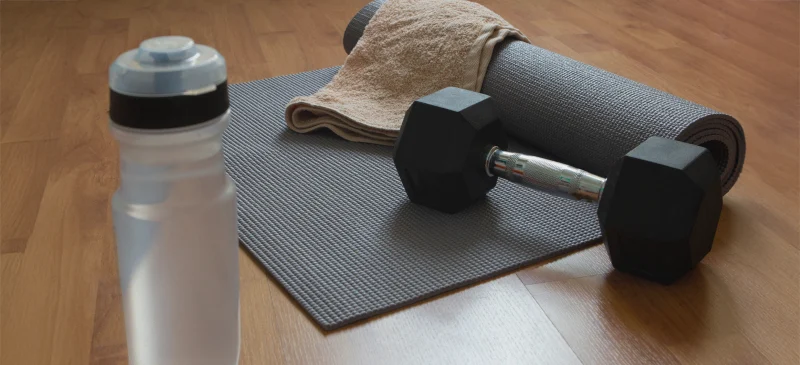
If you’re interested in burning more calories in order to lose weight, then it’s time to try HIIT (High-Intensity Interval Training) if you haven’t already. HIIT is as powerful a tool to torch calories as anything else, but it also needs to be wielded carefully.
I use HIIT strategically with my clients, depending on their goals, schedule, conditioning level or sport-specific training. Personally, I prefer prioritizing strength training, walking, mobility and lower intensity cardio most of the time.
Overall, HIIT can absolutely be effective, but more is not always better. One to two HIIT workouts per week is more than enough.
Here’s everything you need to know about high-intensity interval training.
What is HIIT?
HIIT stands for High Intensity Interval Training — and a true HIIT workout is usually short bursts of near all-out effort followed by periods of recovery. Those work intervals are often anywhere from 10–30 seconds, repeated multiple times with enough rest to recover and go hard again.
HIIT workout can be as short as 10 minutes and typically don’t extend beyond 30 minutes.
The key is intensity. A lot of workouts get labeled “HIIT” these days, but if you can hold a conversation the entire time or sustain the pace for 45 minutes straight, it’s probably not true HIIT.
HIIT vs. strength training
Rather than a type of strength training workout, HIIT is usually built around speed, repeated efforts and elevated heart rate. In comparison, strength training is focused more on controlled resistance, progressive overload, power and recovery between sets.
You can use strength-based movements in a HIIT workout — things like kettlebell swings, dumbbell thrusters, sled pushes — but the goal is not about maximizing strength. Instead, with HIIT, it’s about sustaining intensity and output.
HIIT vs. cardio
They both have value — they just create different adaptations.
HIIT is more intense and efficient for improving conditioning and metabolic demand in a shorter amount of time. Steady-state cardio is great for endurance, recovery, stress management, heart health and building an aerobic base without taxing the body as much.
I personally think most people benefit from a combination of both, but if someone only has limited time and wants metabolic benefits, HIIT can be a useful tool.
Benefits of HIIT
1. Effective for fat loss
HIIT can be effective for fat loss because it’s efficient, challenges the cardiovascular system, and burns a good amount of energy in a short period of time. Research does show HIIT can help improve body composition and reduce body fat.
Please note that HIIT is not the magic answer for fat loss. Sustainable fat loss still comes down to consistency, strength training, nutrition, sleep, stress management and overall movement throughout the day.
For many people, especially women under a lot of stress already, doing endless HIIT can actually backfire if recovery, fueling, and sleep aren’t in place.
2. Provides a metabolism boost
HIIT can create an EPOC effect, which stands for Excess Post-exercise Oxygen Consumption. Basically, your body continues using more oxygen and energy after the workout as it recovers and returns to baseline.
Again note that while the “afterburn” effect is real, it’s not enough on its own to dramatically change someone’s metabolism. Your overall lifestyle habits matter much more.
3. Improves cardiovascular fitness
HIIT can be great for cardiovascular health and improving your ability to recover between efforts. It trains your heart to work efficiently at higher intensities and recover more quickly afterward.
HIIT challenges your heart by pushing it close to its maximum capacity during work intervals, which helps improve VO₂ max and overall heart efficiency. Over time, this leads to better endurance, circulation and cardiovascular health.
4. Time efficient
HIIT workouts are highly time efficient, allowing you to achieve meaningful cardiovascular and metabolic benefits in as little as 10–20 minutes. By alternating between intense effort and recovery, you maximize output in a shorter period, making it ideal for busy schedules.
5. Builds mental resilience
The demanding nature of HIIT requires you to push through discomfort, helping develop mental toughness and discipline. Repeated exposure to high-intensity efforts trains your mind to stay focused and perform under stress.
6. Can improve athletic performance and conditioning
HIIT mimics the stop-and-go nature of many sports, improving your ability to perform at high intensities repeatedly. This makes it especially effective for enhancing overall athletic conditioning and performance.
7. Can increase power and explosiveness depending on programming
When programmed with movements like sprints, jumps or explosive lifts, HIIT can enhance fast-twitch muscle fiber recruitment. This leads to improvements in power, speed and overall explosiveness.
8. Helps improve recovery between bouts of effort
By training your body to recover quickly during short rest periods, HIIT improves your ability to bounce back between efforts. This is beneficial not just in workouts, but also in sports and everyday physical activity.
One of the most underrated benefits of HIIT is learning how to regulate effort and recovery.
9. Adds variety and challenge to a routine
HIIT introduces constantly changing intervals, exercises, and intensities, which keeps workouts engaging and prevents boredom. This variety can help maintain motivation and consistency over time.
How to prepare for a HIIT workout
For most people, 1–2 HIIT workouts a week is plenty.
Make sure to rest at least a day between sessions. HIIT is stressful on the nervous system and recovery matters. More isn’t always better, especially if you’re also strength training, juggling life stress, not sleeping enough or under-fueling.
Combine with other workouts
How does HIIT fit into a fitness routine that may include strength training, regular cardio and yoga/Pilates? They can all complement each other beautifully when programmed well, such as:
Strength training is usually the foundation I prioritize most because it supports muscle mass, healthy aging, bone health, metabolism and resilience. (See my article on progressive overload.)
HIIT can layer in conditioning and athleticism.
Walking and Zone 2 cardio support recovery and heart health.
Yoga and Pilates improve mobility, awareness, breath work and control.
Overtraining can occur when everything is done at high intensity all the time. That’s where people can run into recovery issues, elevated stress, fatigue, poor sleep, and eventually burnout.
Recommended nutrition before and after HIIT
Before HIIT:
Hydration and electrolytes can help a lot, such as Ancient Nutrition’s Rapid Hydration or Multi Collagen Advanced Hydrate
Some people like caffeine for performance, such as Ancient Nutrition’s Clean Energy
A small carb source beforehand can support energy, such as a banana or a homemade energy bar
After HIIT:
Protein for recovery and muscle repair, such as Ancient Nutrition's Whey Protein
Carbohydrates to replenish energy stores
Get enough sleep
HIIT warm-up
You want to gradually raise your heart rate and prep the joints and muscles you’ll be using.
A good warm-up can include:
Light cardio for 3–5 minutes
Dynamic mobility, such as a walking lunge with a twist
Core activation, such as a glute bridge
Practicing movement patterns before adding intensity
The biggest mistake is jumping straight into max effort cold.
Key cues for proper HIIT training
The “high intensity” portion should actually feel challenging
Recovery matters just as much as the work interval
Form should never completely fall apart
If your output drops dramatically, you probably need more recovery
Heart rate can be helpful, but perceived effort matters too
Most people should leave a HIIT workout feeling challenged — not destroyed for 3 days
4 HIIT workouts
There are many different types of HIIT workouts. Here are four examples:
4-minute Tabata HIIT
Tabata is a very specific form of HIIT. Traditional Tabata is:
20 seconds all-out work
10 seconds rest
for 8 rounds (4 minutes total)
10-minute at home HIIT
30 seconds work / 30 seconds recovery x 2 rounds
Squat jumps
Push-ups
Mountain climbers
Reverse lunges
High knees
20-minute at home HIIT
40 seconds work / 20 seconds rest x 4 rounds
Dumbbell thrusters
Skater hops
Plank shoulder taps
Jump rope or invisible jump rope
Alternating reverse lunges
30-minute gym HIIT
5 rounds:
20 second assault bike sprint
10 kettlebell swings
10 box step-ups or jumps
250m row
Rest 90 seconds between rounds
What to do after a HIIT workout
Focus on recovery, including taking these steps:
Walk for a few minutes to bring the heart rate down gradually
Hydrate
Get protein and carbohydrates in afterward
Light stretching or mobility if it feels good
Prioritize sleep and recovery later that day
Precautions
Certain people should avoid HIIT or at least approach it carefully.
People dealing with:
Significant fatigue or burnout
Poor recovery or high chronic stress
Certain heart conditions
Injuries or joint instability
Pregnancy/postpartum depending on stage and readiness
Beginners with no movement foundation yet
For some people, building strength, walking more, improving sleep and creating consistency is actually the better starting point.
Accompanying dietary tips for sustainable weight loss
I always come back to doing things that you can sustain over time.
Prioritize protein
Eat enough fiber and whole foods
Build meals that actually keep you full
Strength train to support muscle mass
Stop relying on extremes
Stay hydrated
Sleep matters more than people think
Consistency beats intensity every time
I think the healthiest approach is learning how to support your body long-term — not just trying to burn the most calories possible in a workout.
Frequently asked questions
What is HIIT training?
HIIT (High-Intensity Interval Training) is a workout style that alternates short bursts of intense exercise with brief recovery periods to maximize efficiency.
How long should a HIIT workout be?
A typical HIIT workout lasts 10 to 30 minutes, making it a time-efficient option for improving fitness.
How many times a week should you do HIIT workouts?
I recommend doing HIIT no more than 2 times per week to balance results and recovery.
Can you do HIIT every day?
No, it’s best to limit HIIT to 1–2 sessions per week to allow proper recovery and avoid overtraining.
Is HIIT good for weight loss?
Yes, HIIT workouts can support weight loss by increasing calorie burn and boosting metabolism after exercise.
Can beginners do HIIT workouts?
Yes, beginners can start with shorter intervals and lower intensity, then gradually increase difficulty over time.
Do you need equipment for HIIT workouts?
No, many HIIT workouts use bodyweight exercises, making them easy to do at home without equipment. It is important to wear quality sneakers.
Is HIIT better than steady-state cardio?
HIIT is more time-efficient, but combining it with steady-state cardio provides the best overall fitness benefits.
What heart rate should you reach during HIIT?
During high-intensity intervals, aim for 80–95% of your maximum heart rate for optimal results.
Why are HIIT workouts so effective?
HIIT workouts are effective because they combine intensity and recovery to improve cardiovascular fitness and burn calories quickly.
In order to avoid risk of injury, please seek advice directly from your physician, especially if you have existing medical issues, before beginning any exercise or nutritional program.
Betina Gozo is a CPT (Certified Personal Trainer by the National Strength and Conditioning Association), Certified Functional Strength Coach, Corrective Exercise Specialist and Nike Master Trainer. She's also an Ancient Nutrition Paid Partner and Wellness Roundtable Member. Where can people find more guided workouts? If you’re looking for structured programs and follow-along workouts, check out her app BetinaGozo.tv — it’s available on both iOS and Android. You’ll find 200+ workouts, from quick bodyweight sessions to full gym programs, plus coaching and community support.
Related Articles
May 16, 2026
|health
Easy Dietary Changes for Weight Loss, Plus Fat Loss Habits that Actually Work
Losing weight doesn’t have to mean following an extreme diet, cutting out your favorite foods or obsessively counting every calorie. In fact, sustainable weight loss often comes down to making small, consistent dietary changes and healthy daily habits that support your metabolism, energy levels and overall wellness.
May 12, 2026
|health
How to Lower Ghrelin (the Main Hunger Hormone)
If you’ve ever felt hungry shortly after eating, experienced intense cravings late at night or struggled with appetite while dieting, your ghrelin levels may be involved.
May 3, 2026
|health
How Much Water Should You Drink Per Day and When?
Everyone knows that drinking water is important. Water plays a key role in nearly every function in your body. It helps regulate body temperature, transports nutrients, helps keep joints healthy, aids digestion and helps remove waste.
May 1, 2026
|health
18 Best Electrolyte Drinks
Electrolyte drinks have become a go-to solution for hydration, energy and recovery, but not all options are created equal. Whether you’re an athlete, trying to stay hydrated, following a low-carb diet or simply trying to feel your best, understanding how electrolyte drinks work can help you choose the right one.




- © 2010-26 Ancient Brands, LLC. All rights reserved.
- Terms of Use
- Privacy Policy
- CPRA Privacy Policy/Notice of Collection
- Do Not Sell or Share My Personal Information
- Consumer Health Data Privacy Policy