

Shop by Goal
Shop by Category
Shop by Ingredient
Here's 10$ off from your friend
Discount code copied!
* This offer expires in 3 days
Home/Blog/What Is a Complete Protein? Best Examples and Health Benefits
What Is a Complete Protein? Best Examples and Health Benefits
By Joe Boland
March 12, 2026
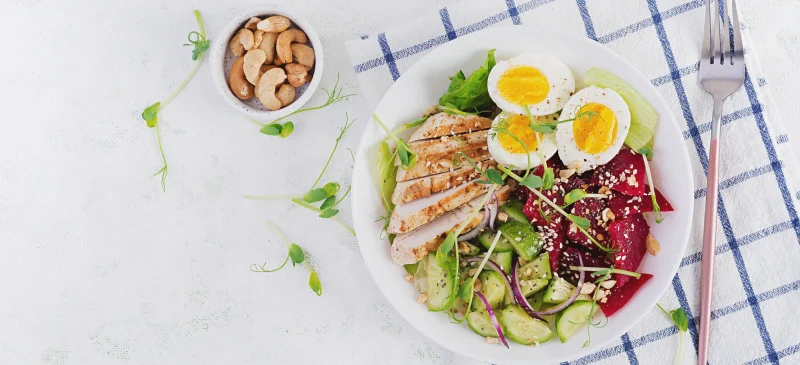
Protein is one of the most important nutrients your body needs every day. It helps build muscle, repair tissues, promote healthy metabolic function, and maintain healthy hair, skin and nails. But not all protein sources are nutritionally equal.
One key concept in nutrition is the complete protein. Understanding what a complete protein is, and how to get enough of it, can help you with muscle health, energy levels and overall wellness.
In this guide, we’ll explain:
What a complete protein is
The difference between complete and incomplete proteins
The benefits of complete proteins
The best animal-based, plant-based and protein powder sources
How to get complete proteins into your daily diet
What is a complete protein?
A complete protein is a protein source that contains all nine essential amino acids your body needs but cannot produce on its own. These amino acids play vital roles in muscle development, metabolism, tissue repair and overall health.
The nine essential amino acids include histidine, isoleucine, leucine, lysine, methionine, phenylalanine, threonine, tryptophan and valine.
Overall, proteins are made up of 20 different amino acids, which function as the building blocks of protein in the body. Of these, 11 amino acids are produced naturally by the body, while the remaining nine essential amino acids must come from food sources.
These amino acids support a wide range of biological processes. For example, histidine helps produce histamine, which plays a role in healthy immune function, valine supports muscle growth and tissue repair, and tryptophan helps produce serotonin, a brain chemical that influences mood, appetite and sleep.
These amino acids are the building blocks of protein and are required for critical functions like muscle repair, immune system support and hormone production.
Because your body cannot synthesize these amino acids, they must come from food.
Animal-based vs. plant-based complete proteins
Most animal-based proteins are naturally complete, including:
Meat
Fish
Eggs
Dairy products
Historically, many plant proteins were considered incomplete. However, some plant foods do provide all essential amino acids, including:
Quinoa
Soy products like tofu and tempeh
Buckwheat
Additionally, combining different plant foods can provide all essential amino acids throughout the day.
Complete vs. incomplete protein
The main difference between complete and incomplete proteins is their amino acid profile.
A complete protein contains all nine essential amino acids. Examples include eggs, fish, beef, tofu and quinoa.
An incomplete protein is missing or very low in one or more essential amino acids. Examples include beans, lentils, rice and nuts.
Incomplete proteins can still contribute to a healthy diet. By combining complementary plant foods, you can obtain all essential amino acids.
For example:
Rice and beans
Peanut butter and whole grain bread
Hummus and pita
Although the terms “complete” and “incomplete” might suggest that incomplete proteins are nutritionally inferior, that isn’t necessarily the case. Many plant foods still contain amino acids but in smaller or less optimal amounts.
Eating a variety of protein-containing foods throughout the day helps ensure you obtain all the amino acids your body needs.
Importantly, nutrition experts note that you don’t need to eat complementary proteins in the same meal. Your body can store amino acids and combine them over time, so consuming a variety of protein foods across the day can still provide a complete amino acid profile.
Benefits of a complete protein
Consuming complete proteins supports multiple aspects of health. Protein and its amino acids are involved in numerous daily bodily functions, including enzyme production, energy metabolism and neurotransmitter production. These functions help regulate processes such as digestion, mood, sleep and cellular repair.
In addition, spreading protein intake throughout the day may help optimize muscle protein synthesis, which is the process your body uses to build and maintain muscle tissue.
Here are some of the benefits of complete proteins:
1. Muscle growth and repair
Complete proteins provide all amino acids needed for muscle protein synthesis, which supports recovery and lean muscle development.
A study published in the American Journal of Physiology-Endocrinology and Metabolism demonstrated how essential amino acids, found together in complete proteins, directly stimulate muscle growth and repair. In the study, 16 healthy male participants performed resistance exercise and then consumed a drink containing essential amino acids and carbohydrates.
Researchers measured muscle protein synthesis using muscle biopsies and stable isotope techniques and found that consuming essential amino acids significantly increased the muscle fractional synthetic rate (a direct measure of muscle protein synthesis) during recovery. The increase was linked to activation of the mTOR signaling pathway, a key cellular pathway that regulates muscle protein building.
This study concluded that providing essential amino acids after exercise enhances muscle protein synthesis and therefore supports muscle repair and growth.
2. Improved satiety
Protein helps you feel fuller longer, which can support healthy weight management.
Research published in Nutrients investigated how amino acids from dietary protein influence satiety. In the study, 17 adult women consumed a controlled diet containing protein-rich foods, and researchers measured post-meal amino acid responses along with feelings of fullness and hunger.
The results showed that higher postprandial amino acid levels were associated with increased satiety and reduced appetite, suggesting that amino acids derived from complete proteins help signal fullness after meals. Researchers concluded that protein intake can stimulate satiety partly through amino acids that influence appetite-regulating signals in the body.
Mechanistically, amino acids and peptides released during protein digestion stimulate the release of satiety hormones such as cholecystokinin (CCK), GLP-1 and peptide YY, which send signals to the brain to reduce hunger and promote fullness.
3. Metabolic health
Amino acids are required for enzymes, hormones and metabolic processes.
A clinical study published in 2025 examined the metabolic effects of higher protein intake during weight loss. In this study, participants followed either a high-protein diet or a higher-carbohydrate diet, and researchers measured metabolic markers including insulin-stimulated glucose disposal using a euglycemic–hyperinsulinemic clamp, a gold-standard method for assessing insulin sensitivity.
The results showed that the higher-protein diet improved insulin-stimulated glucose disposal and helped preserve lean muscle mass, which is important because skeletal muscle accounts for about 80 percent of insulin-mediated glucose uptake in the body. These findings suggest that protein containing essential amino acids, such as those found in complete proteins, can support metabolic health by maintaining muscle mass and promoting normal glucose regulation and insulin sensitivity.
4. Immune system support
Certain amino acids help produce immune cells and antibodies.
Research published in the British Journal of Nutrition explained that dietary protein, and the amino acids it provides, plays an essential role in immune function. The researchers found that adequate intake of amino acids supports the activation and proliferation of immune cells, such as T lymphocytes, B lymphocytes, macrophages and natural killer cells, which are critical for promoting a healthy immune system.
The study also reported that amino acids derived from dietary protein help regulate antibody production, cytokine signaling and gene expression involved in immune responses, demonstrating how sufficient protein intake can aid immune defense mechanisms.
5. Healthy hair, skin and nails
Protein provides the building blocks for keratin and collagen, supporting structural tissues throughout the body.
A clinical study published in Current Research in Nutrition and Food Science investigated how amino acids affect hair, skin and nail health. In the study, 21 healthy adult women consumed several amino acids found in protein (including glycine, leucine, lysine and valine) for 84 days, and researchers measured changes in skin, hair and nail condition.
The results showed improved skin hydration, elasticity and thickness; reduced hair shedding with increased hair density; and improved nail strength and appearance. The researchers concluded that providing amino acids through dietary protein can support the synthesis of structural proteins like keratin and collagen, which are essential for maintaining healthy hair, skin and nails.
Top complete protein foods
There are many ways to get complete proteins, including animal foods and plant foods.
1. Animal-based complete proteins
Animal foods typically contain all essential amino acids. Some of the top sources include:
Eggs: Often considered the gold standard of protein quality.
Fish (salmon, tuna, sardines): High-quality protein plus beneficial omega-3 fatty acids.
Chicken and turkey: Lean protein sources ideal for muscle maintenance.
Beef: Provides protein along with iron, zinc and B vitamins.
Greek yogurt: High in protein and beneficial probiotics.
Other complete protein sources from animals include dairy products and pork.
2. Plant-based complete proteins
Some plant foods naturally contain all essential amino acids. Here are some of the best:
Tofu: Is tofu a complete protein? Yes. Tofu is made from soybeans, which provide all nine essential amino acids, making tofu a complete plant protein.
Tempeh: Another soy-based food with a complete amino acid profile and added probiotics.
Edamame and miso: These also are derived from soybeans and provide a complete amino acid profile along with additional nutrients.
Quinoa: A gluten-free grain that contains all essential amino acids.
Buckwheat: A nutrient-dense seed rich in protein, fiber and minerals.
Chia seeds: Contain small amounts of complete protein along with omega-3 fatty acids.
Pea protein: Is pea protein a complete protein? Pea protein contains most essential amino acids and is often combined with other plant proteins in supplements to ensure a complete amino acid profile.
Other plant-based complete proteins include hemp seeds, amaranth, nutritional yeast and spirulina.
In addition to certain foods, including plants, there are also protein powders that offer protein (some with complete protein) and other certain benefits.
How to get complete proteins into your daily diet
General nutrition guidelines suggest that healthy adults consume about 0.36 grams of protein per pound of body weight per day (about 0.8 grams per kilogram). However, be aware that this recommendation is the minimum to prevent a protein shortfall and was formulated a long time ago.
Individual needs may be higher for athletes or people with higher physical activity levels. For example, for those who wish to put on muscle, consume 0.7 to 1 gram of protein per pound of body weight daily.
For a 150-pound person, this equals roughly 105–150 grams daily. For a 200-pound person, this equals roughly 140–200 grams daily.
Getting enough complete protein doesn’t have to be complicated. With a little planning, you can easily incorporate high-quality protein into meals and snacks throughout the day.
1. Consume complete protein foods
Start by building meals around foods that naturally contain all essential amino acids.
For example, center breakfasts around:
Eggs, such as a high-protein breakfast bowl
Fish, such as wild-caught salmon with roasted veggies and quinoa on the side
Greek yogurt, such as a high-protein yogurt bowl
Protein-rich breakfast smoothies
Pea protein
Lunches and dinners can feature these complete proteins:
Chicken and turkey
Beef and lamb
Tofu and tempeh
Quinoa (try this quinoa bowl with miso tahini dressing)
2. Combine complete with incomplete proteins
Combining complete proteins with other foods helps create nutrient-dense meals with fiber, vitamins and minerals.
For example:
Greek yogurt parfait with granola
Smoothie with protein powder and almond butter
Chicken with beans and brown rice
Salmon salad with nuts and seeds
Steak with lentils and vegetables
3. Combine certain incomplete proteins
For vegetarians and vegans, combining plant foods can help ensure you get all essential amino acids. These combinations are called complementary proteins.
Examples include:
Rice and beans
Lentils and whole grains
Hummus and pita
Peanut butter and whole-grain bread
You don’t necessarily need to combine them in the same meal, as long as you consume a variety of plant proteins throughout the day.
Research shows that vegetarians and vegans generally do not experience protein deficiency when they consume enough calories and eat a variety of plant foods. Legumes, nuts, seeds, whole grains and vegetables all contribute amino acids that the body can combine over time.
This means that focusing on overall dietary variety rather than perfect protein combinations at every meal is usually sufficient to meet essential amino acid needs.
Conclusion
A complete protein contains all nine essential amino acids your body needs for muscle health, metabolism and overall wellness.
While most animal foods naturally provide complete protein, many plant foods, such as tofu and quinoa, also contain the full amino acid profile. Other plant foods can be combined to create complementary proteins.
Incorporating complete proteins into your daily diet can help support energy, muscle health and long-term well-being.
As always, you should consult your healthcare professional prior to beginning any new dietary or lifestyle regimen, including dietary supplements.
Related Articles
March 7, 2026
|health
Progressive Overload: The Workout Technique for More Results
It’s one of the least applied techniques in fitness yet perhaps the most effective. We’re talking about progressive overload. While it might sound intimidating, it’s a simple concept that can pay enormous dividends for your fitness level, lean muscle and strength.
March 6, 2026
|health
Best Non-Medication Ways to Help Reduce Appetite
Many people looking to lose weight search for effective appetite suppressants to help control cravings and prevent overeating. While prescription drugs exist for appetite control, they often come with potential side effects and are typically intended only for specific medical situations.
March 1, 2026
|health
How to Lower Cortisol, Including High Levels
Feeling stressed, exhausted, or gaining weight despite no changes to your diet or workouts? Elevated cortisol levels could be part of the reason.
March 2, 2026
|recipes
Homemade Protein Bars: Base Recipe
It’s been well established that the perfect snack is balanced in carbohydrates, fat and protein — aka, the three macronutrients. Therefore, you’d think the store-bought protein bar with a nutrition label that shows balanced macros to be the perfect snack, right?




- © 2010-26 Ancient Brands, LLC. All rights reserved.
- Terms of Use
- Privacy Policy
- CPRA Privacy Policy/Notice of Collection
- Do Not Sell or Share My Personal Information
- Consumer Health Data Privacy Policy