

Shop by Goal
Shop by Category
Shop by Ingredient
Here's 10$ off from your friend
Discount code copied!
* This offer expires in 3 days
Home/Blog/Pelvic Floor Exercises: How to Support Pelvic Floor Health for Women & Men
Pelvic Floor Exercises: How to Support Pelvic Floor Health for Women & Men
By Betina Gozo, CPT
August 12, 2026
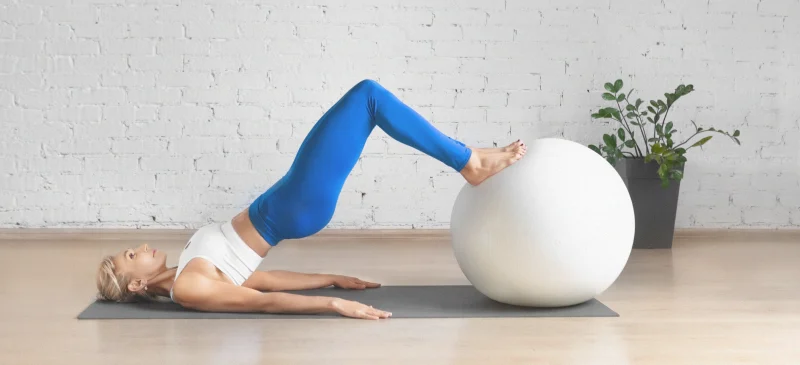
Pelvic floor exercises are often associated with kegels, pregnancy or postpartum recovery. But pelvic floor health is important for both women and men, and there’s much more to a healthy pelvic floor than simply making these muscles stronger.
The pelvic floor is part of the body’s larger core and movement system. It works alongside the diaphragm, deep abdominal muscles, back and hips to support the pelvic organs, help manage pressure within the body and contribute to everyday movements ranging from getting out of a chair to lifting weights, running and jumping.
That’s also why the best pelvic floor exercises aren’t necessarily endless kegels. A healthy, functional pelvic floor needs to be able to contract when appropriate, but it also needs to lengthen, relax and coordinate with the rest of the body.
Here’s what to know about pelvic floor health, including how the pelvic floor works, its benefits, pelvic floor exercises for women and men, and everyday habits that can support healthy function.
What is the pelvic floor?
The pelvic floor is a group of muscles and connective tissue located at the bottom of the pelvis. One simple way to think about it is as the foundation, or bottom, of your core.
Your core is more than your abdominal muscles. It functions as a 360-degree system: The diaphragm sits at the top, the pelvic floor at the bottom, and the abdominal and back muscles help form the surrounding walls.
These structures work together continuously as you breathe and move.
The pelvic floor has several important functions. It helps:
Support the bladder, bowels and reproductive organs
Maintain bladder and bowel control
Support sexual function
Manage pressure within the trunk
Coordinate movement and exercise
During an inhale, the diaphragm moves downward and the pelvic floor should be able to respond by lengthening. During an exhale, especially when creating more tension through the trunk during a challenging movement, the pelvic floor and deep core muscles can help manage pressure.
In other words, pelvic floor health isn’t simply about having strong muscles. A functional pelvic floor needs the appropriate combination of strength, endurance, relaxation, coordination and timing.
Why the pelvic floor is important for women and men
Pelvic floor health matters throughout life and isn't only something to think about during pregnancy or after having a baby.
For women, pregnancy, childbirth, postpartum recovery and menopause can all place unique demands on the pelvic floor. Changes in hormones and pelvic tissues can also influence pelvic health.
However, pelvic floor health is equally relevant for men. The male pelvic floor contributes to bladder and bowel control and sexual function. Pelvic floor rehabilitation may also be particularly important following prostate surgery.
Other factors can affect pelvic floor function in both women and men, including aging, surgery, occasional constipation, repeated straining, and certain sports or training demands.
Pelvic floor dysfunction also doesn't always mean the muscles are simply "weak." The pelvic floor can be overly tense, have difficulty relaxing or fail to coordinate properly with surrounding muscles.
Potential signs of a pelvic floor issue can include:
Urine leakage when coughing, sneezing, jumping, running or lifting
Frequent or urgent urination
Difficulty fully emptying the bladder
Difficulty starting or completing a bowel movement
Occasional constipation or excessive straining
Stool or gas leakage
Pelvic pressure or heaviness
Pelvic, hip, lower-back or tailbone pain
Pain with intercourse
Difficulty relaxing the pelvic floor
Changes in sexual function
Some of these symptoms may be associated with pelvic floor weakness, while others can occur when the muscles are overly tense or aren't coordinating effectively.
That's an important distinction when choosing pelvic floor exercises: More strengthening isn't automatically better.
Benefits of a strong, functional pelvic floor
A healthy pelvic floor can contribute to much more than bladder control. Because these muscles are integrated into the body's core and movement system, pelvic floor function can affect how you move, exercise and manage pressure throughout the day.
Potential benefits of a strong, well-functioning pelvic floor include:
Better bladder and bowel control
Support for the pelvic organs
Core stability and pressure management
Better coordination during strength training and athletic movements
Support during running, jumping and other high-impact activities
Support for sexual function
Greater confidence during exercise and everyday movement
Support for healthy aging and maintaining independence
The key word is functional, rather than simply strong.
A pelvic floor that can contract powerfully but can't relax when necessary isn't functioning optimally. The goal is for these muscles to respond appropriately to what you're asking your body to do.
That can mean creating tension during a challenging lift, relaxing during an inhale, or coordinating with the hips, glutes and deep core while performing a squat.
Best pelvic floor exercises
When most people hear "pelvic floor exercises," they immediately think of kegels. While kegel exercises can have a place in pelvic floor training, they aren't necessarily the best starting point for everyone.
Kegels involve intentionally contracting the pelvic floor muscles. Pelvic floor muscle training can be useful for people who need additional strength and may help with certain types of urinary or bowel leakage.
The problem is treating kegels as the universal solution for every pelvic floor concern.
Someone with an already overactive or overly tense pelvic floor may need to focus more on relaxation, breathing and coordination than repeated contractions. That's why pelvic floor exercises should ideally address how these muscles work with the entire body.
For someone without pelvic floor symptoms who simply wants to support general pelvic floor health and awareness, these exercises and movement patterns can be useful starting points.
1. Diaphragmatic breathing
Breathing is one of the simplest ways to begin developing awareness of the pelvic floor.
As you inhale, allow the diaphragm to descend, and focus on letting the pelvic floor relax and lengthen rather than keeping the entire core constantly braced.
As you exhale, the pelvic floor and deeper core muscles can naturally participate in managing pressure within the trunk.
This coordination between the diaphragm and pelvic floor is part of the reason breathing patterns matter during both everyday movement and exercise.
2. Gentle pelvic floor contractions and relaxation
Pelvic floor contractions, commonly called kegels, can be appropriate when strengthening is actually needed.
Rather than thinking only about squeezing the muscles as hard as possible, consider the cue "lift and release."
Gently contract and lift the pelvic floor, and then allow the muscles to completely relax.
The relaxation portion matters just as much as the contraction.
Common mistakes can include gripping the glutes, inner thighs or abdominal muscles; holding your breath; bearing down; or failing to fully relax between contractions.
3. Squats
Squats are a whole-body strength exercise that can help train the pelvic floor as part of a coordinated movement system.
Rather than isolating the pelvic floor, practice coordinating your breathing and pressure management while squatting.
This reinforces an important principle of pelvic floor health: Your pelvic floor doesn't operate independently from the rest of your core, hips and legs.
4. Hip hinges
Hip-hinge movements train the hips, glutes, legs and trunk while providing another opportunity to practice coordinated breathing and pressure management.
Deadlifts are one example of a loaded hip-hinge movement, but beginners can first practice the basic hinge pattern before progressively adding resistance.
5. Glute bridges
Glute bridges can help strengthen the glutes while also involving the trunk and surrounding musculature.
They can be incorporated into a broader whole-body strengthening routine rather than treating pelvic floor training as an entirely separate workout.
6. Carries
Carrying groceries is already a form of loaded movement, and dedicated carry exercises use the same general concept.
Carries require the trunk to stabilize and manage pressure while the body moves. They can therefore provide another opportunity to practice breathing and whole-core coordination.
7. Whole-body strength training
Don't be afraid of lifting weights simply because you're thinking about pelvic floor health.
Heavy lifting isn't inherently bad for the pelvic floor. What matters is how you breathe, manage pressure, progress your training and respond to symptoms.
Gradually progressing resistance training while maintaining appropriate breathing and pressure-management strategies can help develop strength throughout the glutes, legs, trunk and entire body.
Pelvic floor exercises for women vs. men
Do women and men need different pelvic floor exercises? Not necessarily.
The fundamental principles are similar for both sexes: The pelvic floor needs to contract, relax and coordinate with the rest of the body.
What's more likely to differ is why someone is seeking pelvic floor training in the first place.
For women, pregnancy, childbirth, postpartum recovery, menopause and changes in pelvic tissues can influence exercise recommendations.
For men, prostate surgery and certain urologic concerns may have a significant effect on pelvic floor function. Men can also experience urinary leakage, pelvic pain, bowel dysfunction and sexual-function concerns involving the pelvic floor.
Instead of assuming there should be a universal "women's pelvic floor workout" and a separate "men's pelvic floor workout," exercise selection should consider the individual's symptoms, goals, training history and life stage.
This is particularly important when symptoms are present.
Someone experiencing leakage, pelvic pain, pelvic pressure, painful intercourse, constipation, or difficulty emptying the bladder or bowels shouldn't simply assume more kegels are the answer. A pelvic-health physical therapist can assess what's actually happening and determine whether training should emphasize strengthening, relaxation, mobility, coordination, breathing or some combination of these strategies.
Other tips to help the pelvic floor
Pelvic floor exercises are only one part of supporting pelvic floor health. Everyday movement, bathroom habits, breathing and strength training (for women and men) can all play a role.
Here are several habits to consider.
Strength train appropriately. Build whole-body strength progressively based on your experience level. The pelvic floor is part of your larger movement system, so strengthening your glutes, legs and trunk can be part of an overall approach.
Practice full, relaxed breathing. Try not to spend the entire day bracing your core or holding your breath. Learning to breathe and manage pressure is especially useful during strength training and other demanding movements.
Address occasional constipation. Repeated straining increases pressure through the pelvic region. Rather than accepting occasional constipation and straining as normal, address the underlying issue.
Don't routinely hold your urine or stool for long periods. Healthy bathroom habits are another part of supporting normal pelvic floor function.
Move regularly. Prolonged sitting isn't automatically damaging to the pelvic floor, but regularly changing positions and staying physically active can support overall movement and health.
Don't assume high-impact exercise is off-limits. Running, jumping and heavy lifting aren't inherently "bad" for the pelvic floor. Training volume, progression, recovery, strength, breathing and coordination all matter.
Prioritize rest and recovery. Recovery is part of training, including when the goal is supporting pelvic floor function.
Pay attention to symptoms. Urinary or fecal leakage, pelvic pain, painful intercourse, pelvic pressure or heaviness, significant constipation, and difficulty emptying the bladder or bowels shouldn't simply be normalized because of childbirth, aging or exercise.
Perhaps most importantly, don't assume every pelvic floor problem is a weakness problem.
More pelvic floor exercises (and especially more kegels) aren't automatically better. A healthy pelvic floor needs enough strength to do its job while also being able to relax, lengthen and coordinate with your breathing and the rest of your body.
If you're experiencing persistent symptoms or symptoms that interfere with exercise or everyday life, consider seeing a pelvic-health physical therapist or another qualified healthcare professional for an individualized assessment.
Pelvic floor health isn't about being afraid to move, lift or exercise. It's about understanding how your body works well enough to train it appropriately — and building the strength, coordination and confidence to keep doing the activities you enjoy throughout life.

Betina Gozo is a CPT (Certified Personal Trainer by the National Strength and Conditioning Association), Certified Functional Strength Coach, Corrective Exercise Specialist and Nike Master Trainer. She's also an Ancient Nutrition Paid Partner and Wellness Roundtable Member. Where can people find more guided workouts? If you’re looking for structured programs and follow-along workouts, check out her app BetinaGozo.tv — it’s available on both iOS and Android. You’ll find 200+ workouts, from quick bodyweight sessions to full gym programs, plus coaching and community support.
Related Articles
August 29, 2025
|health
What Is Your Supplement Routine, Betina Gozo?
As you know, and as our guest below says, supplements have that name for a reason: They’re meant to supplement your diet, not replace key foods and liquids. Instead, they can fill in the gaps and make a real difference in how you look and feel.
January 12, 2026
|health
Best Core Workout (for More Than Just the Abs)
It seems that people talk less about abs these days. It's more about the "core." This is a good thing, as people who are really into fitness have started to understand that “core” training goes way beyond just chasing visible abs — it's about building strength and stability for real life and real movement.
July 18, 2026
|health
Hybrid Training Guide: Benefits & Workout Schedule
Whether your goal is to lift heavier, run farther, hike without getting winded or simply feel more capable in everyday life, you don't have to choose between strength and cardio. That's the idea behind hybrid training, a fitness approach that combines resistance exercise and cardiovascular training into one balanced program.
October 21, 2025
|health
Great Gams: Best 11 Leg Exercises and 2 Leg Workouts
PreWhether you’re an athlete or just want to feel strong and keep up with your kids or grandkids, lower-body strength is essential. Your legs are your foundation — they support balance, posture and overall movement — so building that strength pays off in every area of life.




- © 2010-26 Ancient Brands, LLC. All rights reserved.
- Terms of Use
- Privacy Policy
- CPRA Privacy Policy/Notice of Collection
- Do Not Sell or Share My Personal Information
- Consumer Health Data Privacy Policy