

Shop by Goal
Shop by Category
Here's 10$ off from your friend
Discount code copied!
* This offer expires in 3 days
Home/Blog/Morning Fat-Burning Routine: 10 Habits to Support Weight Loss
Morning Fat-Burning Routine: 10 Habits to Support Weight Loss
By Dr. Dana Lis
November 6, 2026
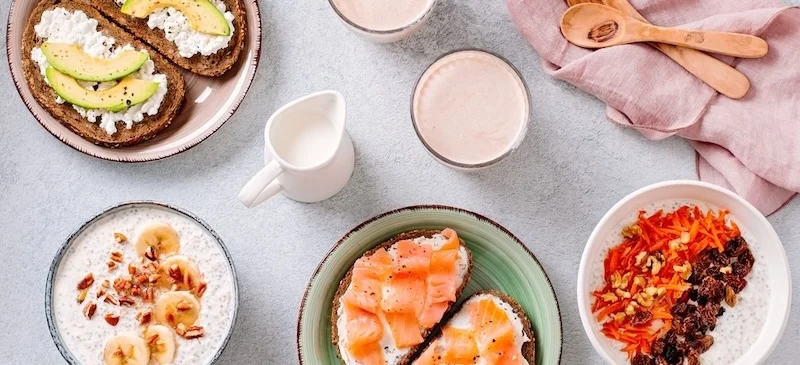
If fat burning and weight loss are goals of yours, it’s critical to start your day off right. When I work with my clients who want to take some pounds off, we consider changing certain habits to maximize the body’s ability to burn fat and get more fit over time.
Note the words “over time,” for sustainable weight loss only occurs gradually over time. We’re talking one to two pounds per week. Trying to lose weight more quickly will likely set you up for failure. For example, you’ll want to retain most of your muscle when losing weight.
Rather than give you a generic list of morning fat-burning tricks, I’m going to walk you through individualized, sustainable strategies for your morning. I’ll also touch on your plan for the rest of the day, for fat loss is about the whole day, not just the morning. Let’s get into it.
1. Start your morning with water
Can drinking water first thing in the morning help with weight loss?
I advise everyone to drink a glass of water shortly after waking to help rehydrate after the overnight period without fluids. Water not only provides a stimulus to the gastrointestinal tract, it may slightly increase energy expenditure through processing and movement through the digestive system.
Water may temporarily increase feelings of fullness, making it easier for you to delay breakfast if you seek to intermittently fast, for example (see below), as part of your fat-burning morning routine.
Key takeaway: Beginning with water rather than immediately eating can help establish a more intentional morning routine.
2. Consider morning fasting — but it's not for everyone
Does fasting in the morning increase your ability to burn fat? In some cases, yes.
Many people eat across a very long daily window, sometimes from 7 a.m. until 11 p.m.! I recommend that you narrow your eating window through intermittent fasting or time-restricted eating. Delaying your breakfast encourages the body to use more stored fat for fuel during the fasting period.
Morning fasting doesn't have to mean waiting until lunch. Delaying breakfast until midmorning may be a more realistic approach for many, as some people feel nauseated, fatigued or mentally sluggish without breakfast.
Meanwhile, people with high morning energy demands may benefit from eating earlier.
Key takeaway: Morning fasting can be useful for certain individuals, but the approach should reflect personal energy needs, cognitive demands and overall goals. Also, consult your healthcare professional to see if intermittent fasting or other forms of fasting is right for you.
3. Prioritize quality sleep
Your fat-loss morning routine actually begins the night before. Getting sufficient sleep is key part of a morning routine focused on weight management, as poor sleep can do the following:
Disrupt appetite and satiety signals.
Affect hormonal regulation associated with circadian rhythms
Influence food choices, eating behaviors and blood sugar control
Key takeaway: Sleep deficiencies can create downstream challenges for appetite regulation, food choices and metabolic health. Aim to get at least 7 hours of sleep a night and ideally 8 to 9.
4. Choose the right morning exercise for you
While the best workout time is when someone has sufficient energy and can consistently fit it into their schedule, morning exercise may offer metabolic benefits.
Some morning fitness ideas includes:
Brisk walking for 30 to 45 minutes, with or without breakfast beforehand.
Fasted Zone 2 cardio can work well for some people, such as a morning run or spin class.
Fueled (light breakfast beforehand) HIIT training or strength training session.
Ultimately, it’s good to have cardio and strength training in your day, even if it’s later. Cardio helps burn calories and benefits cardiovascular health, while strength training helps build and maintain lean muscle. Combining both can support healthy weight management and sustained improvements in body composition.
Key takeaway: Don't become overly focused on maximizing fat burning during one morning workout. Consider the broader effects on muscle, body composition and sustained fitness.
5. Increase your NEAT throughout the morning
How do you burn more calories during your morning without working out? This is not a trick question. It’s called putting more NEAT into your morning.
NEAT stands for non-exercise activity thermogenesis, or the energy expended through movement outside structured exercise.
Rather than spending the entire morning sitting at a computer, even after sleeping all night, try to incorporate small movements throughout the day to meaningfully increase total energy expenditure. More NEAT can potentially amount to hundreds of calories per day, although this varies considerably by individual.
Practical suggestions for getting more NEAT into your day:
Use a sit-stand desk.
Take short walking breaks.
Stand and stretch periodically.
Try a walking treadmill while working, when practical.
Move your water station farther away to encourage walking.
Park farther from store entrances.
Carry groceries when possible.
Walk a dog.
Key takeaway: Your physical environment should encourage movement naturally, without requiring constant reminders.
6. Eat a protein-rich, nutrient-dense breakfast
While more nutrients in general is always a good idea for your breakfast, protein and fiber should play starring roles.
If you’re interested in weight loss, it’s time to rethink those carbohydrate-heavy breakfasts dominated by cereal, toast and waffles. Instead, aim for approximately 20–30 grams of protein at breakfast, for protein can support fullness, muscle maintenance and body composition goals.
In addition, getting protein earlier in the day provides amino acids following the overnight period without food. Adequate protein is particularly important when losing weight to help preserve muscle mass.
For example, a review of breakfast studies found that meals containing at least 30 grams of protein were associated with better appetite control and fullness compared with skipping breakfast.
Meanwhile, fiber is also important, for many of us don’t hit our fiber goals (at least 25 grams per day), as fiber helps with digestive health and satiety.
A randomized trial published in 2026 compared higher-fiber and higher-protein diets with larger breakfasts in 19 adults with overweight or obesity. Both diets resulted in some weight loss, but the higher-fiber diet produced somewhat greater weight loss over the study periods. This suggests that fiber might deserve as much attention as protein when planning a breakfast for weight management.
Here are some high-protein, high-fiber options to consider for breakfast:
Greek yogurt berry bowl — mix 1 cup plain Greek yogurt, ½ cup raspberries, 2 tbsp chia seeds and 1 tbsp pumpkin seeds for 29g of protein and 12g of fiber
Protein overnight oats — mix ½ cup oats, 1 scoop whey protein, 1 tbsp chia seeds, ½ cup blueberries and ⅔ cup water or milk; stir well and refrigerate overnight; contains 30g of protein and 10g of fiber
Egg and avocado toast — top 2 slices whole-grain toast (sprouted wheat is best) with 2 scrambled eggs, ½ avocado and a handful of spinach for 22 g of protein and 11 g of fiber
Cottage cheese breakfast bowl — combine 1 cup cottage cheese, ½ cup blackberries, 2 tbsp ground flaxseed and 1 tsp cinnamon for 30g of protein and 8g of fiber
Protein and fiber smoothie — blend 1 scoop whey protein, ½ cup raspberries, 1 tbsp chia seeds, 1 tbsp almond butter and 8 oz unsweetened almond milk for 29g of protein and 10g of fiber
Breakfast burrito — fill a low-carb, high-fiber tortilla with 2 scrambled eggs, ½ cup black beans, salsa and spinach for 25g of protein and 13g of fiber
Peanut butter banana protein toast — spread 2 tbsp peanut butter over 2 slices high-fiber bread (like sprouted wheat); add ½ banana on top and serve with ¾ cup plain Greek yogurt on the side; contains 33g of protein and 11g of fiber
Key takeaway: For fat loss, a protein-rich, fiber-rich breakfast is a strong choice if you enjoy eating in the morning. Aim for roughly 25–35 grams of protein, include fruit or whole grains, and keep portions consistent with your overall calorie needs.
7. Consider a midmorning snack
Can a midmorning snack help or hinder your efforts to lose weight? In my experience, a midmorning snack can be useful for people who eat breakfast early, as waiting until noon for lunch isn't necessarily ideal for everyone.
That being said, if you’re eating a mid-morning snack out of pure habit and aren’t really hungry, then it usually isn’t necessary and just adds extra calories. What really helps is having the high-protein, high-fiber breakfast that keeps you full for hours and is highlighted above.
Of course, if you do snack, choose a balanced snack with protein to help prevent excessive hunger before lunch. In general, I favor distributing food intake more toward the earlier part of the day rather than heavily concentrating it in the evening — and that snack can help.
Key takeaway: A midmorning snack isn't automatically necessary, but it can be an effective way to manage hunger and energy.
8. Consider supplements that support your goals
What supplements should you take in the morning to support weight-management goals? While there is no magic supplement that automatically burns body fat, certain supplements may support different physiological processes associated with body composition, appetite regulation and metabolic health.
Protein supplements can help you meet daily protein needs. Ancient Nutrition carries two protein powders with weight management claims:
Whey Protein + Fat Loss powder (vanilla cinnamon flavored) is a whey protein powder formulated with 23 grams of grass-fed whey protein and organic regenerative A2/A2 milk protein. Benefits include less body fat, more strength and increasing your metabolism.
Multi Collagen Advanced Lean Powder (cinnamon flavor) is a collagen powder from 10 food-based sources. It's a healthy weight management supplement designed to help you burn calories and boost your metabolism. It also comes in capsule form.
Both feature a proprietary and clinically backed superfood Fat Loss Blend that includes organic ashwagandha root extract and organic Ceylon cinnamon. This unique combination simultaneously promotes fat loss, burns calories and increases your metabolism, making it an ideal choice for those aiming to achieve and maintain a lean body composition.
I also love Multi Protein Animal-Based + Creatine for its broader benefits. This all-in-one formula delivers 26g of complete protein (made from grass-fed whey, bone broth, A2/A2 milk protein, collagen peptides and colostrum), a protein digestion blend and 5g of creatine monohydrate per serving. It supports muscle health and lean body mass, promotes mental clarity, and helps reduce post-exercise fatigue and promote faster recovery.
Meanwhile, Ancient Nutrition's Active Peptides Metabolism is a non-stimulating supplement that helps regulate hunger hormones to reduce appetite and increase satiety. Powered by bioactive peptides and plant-based extracts, benefits include burning up to 250 calories more per day along with a significant increase in resting metabolic rate in 2 hours. It's available as capsules or powder.
Key takeaway: Supplements are secondary to the fundamentals. Consider them the finishing touches rather than the foundation of a successful fat-loss plan. And consistency matters more than assuming supplements must be taken at a particular time of day.
9. Plan your meals to set yourself up for success
Planning out your day of eating beyond just the morning can make your weight-loss habits easier to maintain. Planning meals, snacks and hydration simply makes healthy choices easier.
Note that family members and partners can strongly influence eating habits. If you can, make good nutrition a shared family priority rather than making everything about one person's weight-loss goals.
For example, the foods most visible and accessible at home can influence what people choose to eat. Stocking nutritious, convenient options can help make better decisions automatic.
If you have young children, involve them in grocery shopping and comparing nutrition labels to improve awareness. And before you feel overwhelmed, just make small, sustainable changes rather than try to change everything at once.
Practical strategies:
Keep fruit, yogurt and other nutritious snacks easily accessible.
Choose convenient snacks that offer more protein or less added sugar.
Compare packaged-food labels when shopping.
Discuss nutritional goals with household members.
Make one manageable improvement at a time.
Key takeaway: Successful behavior change depends on creating conditions that make healthy habits realistic, repeatable and compatible with everyday life
10. Consider using personalized health tools
The rapid growth of personalized health tools is both exciting and empowering, as they potentially offer you greater access to scientific insights about your health.
For example, I now incorporate nutrigenomics and gut microbiome assessments to help inform personalized health strategies and better understand complex health concerns. Nutrigenomics is a relatively new field of science that explores how nutrition interacts with our genes to influence everything from our metabolism to cellular function to overall health.
Meanwhile, gut microbiome assessments are also an emerging approach to personalized health. They involve examining the microorganisms living in the digestive tract and their potential roles in digestion, nutrient metabolism, immune system function, metabolic health and more.
Key takeaway: While research is still evolving, integrating genetic insights with clinical evidence and practical lifestyle strategies offers a promising approach to personalized health and body composition management.
Conclusion
Fat loss is about the whole day, not just the morning. It’s important to not just focus on isolated strategies, such as fasted cardio, without considering overall nutrition, exercise quality and body composition.
Protecting muscle matters when losing weight. Protein and resistance training are as essential as simply burning calories.
Make healthy behaviors easier to repeat. Use NEAT, new breakfast habits and family food environments for lasting progress, which depends on habits that fit real life.

Dr. Dana Lis is a globally recognized leader in the field of performance nutrition and a member of the Ancient Nutrition Wellness Roundtable (and a paid partner). With nearly 20 years of experience as well as one of the few Registered Dietitians decorated with the renowned IOC Diploma in Sport Nutrition and a PhD, Dana has worked with Olympic and professional sports across various continents and a spectrum of disciplines. Dana continues to drive the nutrition field forward through mentorship, shaping best practices and challenging the status quo. This includes Performance Nutrition Professionals, which she launched with Jennifer Gibson, MS, RD, and which trains sport dietitians in the U.S.
References:
Gwin, J. A., & Leidy, H. J. (2018). A review of the evidence surrounding the effects of breakfast consumption on mechanisms of weight management. Advances in Nutrition, 9(6), 717–725. https://doi.org/10.1093/advances/nmy047
Fyfe, C., Donachie, G., Louis, P., Horgan, G. W., Mayer, C., Ruddick-Collins, L., Farquharson, F., Walker, A. W., & Johnstone, A. M. (2026). Big breakfast diet composition impacts on appetite control and gut health: A randomised weight loss trial in adults with overweight or obesity. British Journal of Nutrition, 135(11), 1258–1272. https://doi.org/10.1017/S000711452610645X
Related Articles
January 23, 2026
|health
Creatine and Protein: the Most Recommended Supplement Stack
Seeking improved athletic or workout performance? Enhanced strength? More lean body mass or muscle support? Less body fat? Then you may want to consider the most commonly recommended “supplement stack” for today’s athlete: creatine and protein (typically whey protein).
November 21, 2025
|health
How to Lose Fat: 17 Ways
I’m not going to sugarcoat it. Weight loss or fat loss is hard. Even when you do everything right, you rarely experience linear progress, as in steady weight loss week after week. The body, no matter what we say, is not a machine.
November 2, 2026
|health
Bone Health Plan for Women
Healthy bones, healthy you. If that’s not a phrase you’ve heard, it’s never too early to learn it. While many women don’t think about their bone health until later in their life, it’s a good idea to begin taking nutrition, fitness and lifestyle steps to secure good bone health and help avoid osteoporosis as one ages.
October 27, 2026
|recipes
No-Bake Protein Balls: Base Recipe + 6 Variations
Whether you’re getting ready for a workout or a road trip, no-bake protein balls are the real deal. They can deliver that perfect blend of healthy carbohydrates, fat and protein and help you recover from a workout or get you ready for one.




- © 2010-26 Ancient Brands, LLC. All rights reserved.
- Terms of Use
- Privacy Policy
- CPRA Privacy Policy/Notice of Collection
- Do Not Sell or Share My Personal Information
- Consumer Health Data Privacy Policy