

Shop by Goal
Shop by Category
Shop by Ingredient

Here's 10$ off from your friend
Discount code copied!
* This offer expires in 3 days
Home/Blog/Grocery List for Optimal Health
Grocery List for Optimal Health
By Keri Glassman, MS, RD, CDN
October 22, 2026
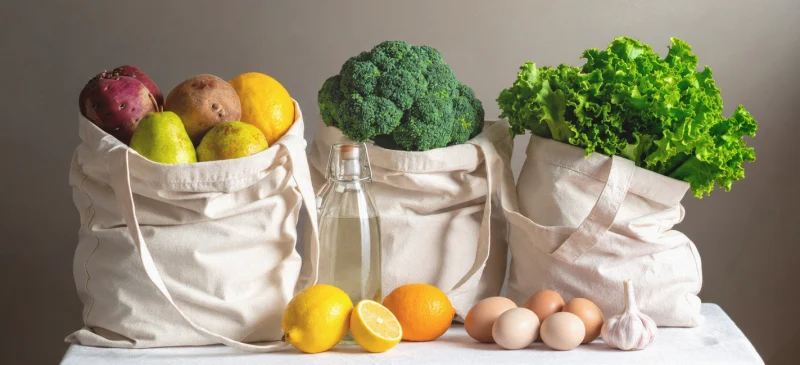
Grocery shopping is a task that most of us do, often once a week. Often, we do not only grocery shop at usually the same store (or stores), we do it in roughly the same way each trip — in terms of which parts of the store we visit first, the foods we put into our cart, even the amount of time we spend. Some of us are fast shoppers, some are quick; some of us love grocery shopping while others dread it.
However, along the way, we’ve likely picked up some bad habits. Because food is so central to good health, that grocery trip ideally helps support our health goals. As a nutritionist in New York City, I advise my clients all the time about the best way to grocery shop for their health.
Accordingly, below I discuss how to prepare for your grocery shop, the best foods to pick up each trip, some unexpected additional foods that often get missed, and the so-called “extras” in the grocery store where good intentions live or die.
How to prepare for your grocery shop
Like most things, if you’re prepared and somewhat strategic about your grocery shop, you’ll have better results. Here are some pointers:
Take inventory of what you have in your refrigerator and pantry. Nothing is more frustrating than duplicating foods you already have in the fridge, for example.
Make sure you go food shopping on a relatively full stomach. Going when hungry often ends up with you overbuying, and often the wrong types of foods. So you’ll also save money this way.
Leave enough time to do a considered grocery shop so you won’t need to return a day or two later, plus it allows you to make better decisions. Shopping in a rush often doesn’t go that well.
Plan out your meals for the week a bit. Get your breakfast and lunch foods, then plot out your main proteins for dinner and surround them with suitable vegetables.
While this article is meant for that trip to your grocery store, I also encourage you to visit your local farmer’s market to get what local vegetables, fruit and other possible foods before supplementing with your grocery store.
When you arrive at the grocery store, I recommend you follow this order of priority, with the healthiest foods filling up your cart first:
Vegetable and fruits
Grains
Canned foods
Spice aisle
Dairy
Animal and plant-based protein
Prepared foods
Frozen foods
The ultimate healthy grocery list
Grocery stores are notoriously full of foods, of course — both good for you and not so much. Don’t forget these stores also are marketers, so they may be trying to sell you certain foods that you’d be better off leaving on the shelf.
With that in mind, consider these the essential, healthy choices to pick up on most of your grocery store trips.
1. Leafy greens
Depending on the store and the season, there are many different kinds of leafy greens available. Top types include spinach, kale, arugula, Swiss chard, romaine lettuce and watercress.
Leafy greens provide vitamins A, C and K, folate, fiber and antioxidants that support eye health, immune system function and overall wellness.
How to use: Add to salads, smoothies, omelets, soups and sandwiches, or sauté with olive oil and garlic. The heartier greens like kale and Swiss chard can also be added to stir-fries, pasta dishes and more.
2. Cruciferous vegetables
In your march down the veggie aisle, don’t skip the cruciferous vegetables like broccoli, cauliflower, Brussels sprouts, cabbage, bok choy and kale. These are rich in fiber, vitamins C and K, and glucosinolates, plant compounds that form biologically active substances studied for their potential health benefits.
How to use: Roast, steam or stir-fry, add to soups and grain bowls, or enjoy raw in salads and slaws. Broccoli soup is one of my favorite dishes.
3. Sweet potatoes
You know about the orange sweet potato, but also consider the purple and white types. This vegetable provides complex carbohydrates, fiber, potassium and antioxidants, with orange varieties particularly rich in beta-carotene, which the body converts into vitamin A.
How to use: Bake, roast, mash or air-fry, or add to breakfast hashes, soups and grain bowls. I love to take a sweet potato and cut it up into fries, toss with avocado oil, and then bake for around 25 minutes at 425 F. Flip halfway through.
4. Berries
Lower in natural sugar than most other fruits and loaded with nutrients, I always pick up berries on my grocery trips. Types of berries include blueberries, strawberries, raspberries, blackberries and cranberries.
Berries provide fiber, vitamin C and polyphenol antioxidants that support cardiovascular health and overall cellular health.
How to use: Add to oatmeal, Greek yogurt, smoothies and salads, or enjoy as a naturally sweet snack.
5. Citrus
As the cold approaches, it’s always a good idea to get more natural vitamin C, so make sure to add citrus fruits to your list — we’re talking oranges, grapefruit, lemons, limes, mandarins and tangerines.
Rich in vitamin C, citrus fruits support immune system function, collagen production and iron absorption while providing fiber and flavonoids.
How to use: Eat whole, add segments to salads, squeeze juice over vegetables and proteins, or flavor water.
6. Avocado
Perhaps the most popular fruit (yes, it’s a fruit), the avocado is a must. It provides heart-healthy monounsaturated fats, fiber, potassium and folate, supporting cardiovascular health and nutrient absorption.
How to use: Add to toast, salads, smoothies, grain bowls and sandwiches, or make guacamole.
7. Sprouted grain bread
Breads are one of those habits that we often stick with, but if you haven’t tried sprouted grains bread, I encourage you to try them, as they’ve never been better. Types include sprouted whole-wheat, Ezekiel-style, sprouted rye and multigrain breads.
They provide complex carbohydrates, fiber, B vitamins and minerals, while sprouting may improve the availability of certain nutrients.
How to use: Toast for breakfast with eggs or avocado, make sandwiches, or pair with nut butter.
8. Nut and seed crackers
Another evolution in the grocery store is the cracker that no longer needs to be made from flour. You can now get crackers made with almonds, flaxseeds, chia seeds, pumpkin seeds or sunflower seeds.
Depending on the ingredients, they provide healthy fats, fiber, plant protein and minerals such as magnesium and zinc.
How to use: Pair with hummus, cottage cheese, avocado or nut butter for a satisfying snack.
9. Whole grains
Skip the plain starches and opt for whole grains that take longer to digest. Choose types like oats, quinoa, black rice, brown rice, barley and farro.
They provide complex carbohydrates, fiber, B vitamins and minerals that support digestion, heart health and sustained energy.
How to use: Prepare oatmeal, build grain bowls, add to soups and salads, or serve alongside vegetables and protein. You can add a little butter, fresh pepper, sea salt and lemon juice and have a perfect side.
10. Olive and avocado oil
If you haven’t stopped using refined, heavily processed oils like canola and vegetable oils, the time is now. Instead, choose extra-virgin olive oil and avocado oil, as these are healthier fats.
Both are rich in monounsaturated fats that can support heart health when used in place of saturated fats; extra-virgin olive oil also contains beneficial polyphenols.
How to use: Drizzle over salads and vegetables, use in dressings and marinades, or cook and roast foods at appropriate temperatures (olive oil at lower temperatures while avocado oil can handle higher temps).
11. Spices
Don’t forget the spices to make your dinners taste special. Of course, you’ll only need to buy these once in a great while. Ideally, you have spices like cinnamon, ginger, turmeric, cloves, cardamom, cumin, paprika and black pepper in your pantry (learn about the best types of fall spices).
Many spices contain polyphenols and other plant compounds with antioxidant activity, although specific health benefits depend on the spice and amount consumed.
How to use: Season vegetables, meats, soups, oatmeal, smoothies and baked goods to enhance flavor without relying on excess salt or sugar.
12. Pasture-raised eggs
Chicken eggs from pasture-raised hens are available in different sizes, and you can also often pick them up at your farmer’s market.
They provide complete protein, choline, vitamin B12 and selenium, supporting muscle maintenance, brain function and overall nutrition. Note that nutrient content can vary with the hens' feed.
How to use: Scramble, boil, poach or prepare omelets, or add to salads, sandwiches and breakfast bowls.
13. Greek yogurt or cottage cheese
I often use Greek yogurt or cottage cheese in my breakfasts and desserts, so I like to have both on hand. They also can be used very easily and quickly, so they’re helpful when you don’t have much time.
Opt for plain Greek yogurt and cottage cheese in full-fat or reduced-fat varieties.
Both provide high-quality protein, calcium and vitamin B12 to support muscle and bone health; some Greek yogurts also contain live cultures.
How to use: Pair with berries and nuts in a yogurt bowl, blend into smoothies, use in dips, or enjoy as a protein-rich snack.
14. Milk or plant-based milk
There are more milk options than ever in today’s store. Choose cow's milk, including A2 milk, goat milk, and plant-based alternatives such as soy, almond, oat and pea milk. Ideally choose unsweetened varieties.
Dairy milk provides protein, calcium and vitamin B12, while fortified plant-based milks can supply calcium and vitamin D; protein content varies considerably.
How to use: Add to smoothies, oatmeal, cereal, coffee and protein shakes, or use in cooking and baking.
15. Fresh cheeses
When it comes to cheese, I prefer the less processed varieties. Types like feta, ricotta, mozzarella, cottage cheese, farmer's cheese and fresh goat cheese. I also enjoy some parmesan and pecorino.
These cheeses provide protein and calcium, although amounts of saturated fat and sodium vary by cheese.
How to use: Add to salads, omelets, toast, sandwiches and vegetable dishes, or pair with fruit.
16. Animal or plant protein
I use animal or plant protein in my lunches and dinners, so there’s where you want to have a nice variety for the week. Choose high-protein options like chicken, turkey, fish, lean beef, eggs, tofu, tempeh, beans, lentils and edamame. I prefer organic, free-range, wild, etc. when available.
Protein provides amino acids essential for muscle health, satiety and enzyme production, while individual sources contribute nutrients such as iron, zinc, vitamin B12 or fiber.
How to use: Include a protein source in each main meal, such as grilled salmon, chicken, tofu or beans alongside vegetables and whole grains.
17. Frozen spinach
I always keep some frozen spinach in my freezer just in case I run out of fresh veggies in the fridge. Frozen spinach is very versatile. You can go with chopped or whole-leaf frozen spinach, typically blanched before freezing.
It provides vitamins A and K, folate, iron and antioxidants, with many nutrients retained through freezing.
How to use: Add directly to soups, stews, smoothies, omelets and pasta sauces, or thaw and squeeze out excess water before cooking.
18. Frozen wild berries
It’s a similar story with frozen wild berries, as I like to store them as a back-up to my fresh fruit. You can go find wild blueberries, wild blackberries and other frozen wild berry varieties in most stores today.
They provide fiber, vitamin C and antioxidant polyphenols, including anthocyanins, which have been studied for their potential cardiovascular and cognitive health benefits.
How to use: Blend into smoothies, stir into oatmeal or yogurt, heat into a fruit topping, or use in muffins, pancakes and other baked goods.
Healthy foods you might be overlooking
Like I said above, grocery shopping is so habitual. We often buy the same things again and again, so while I’m trying to encourage you to add a few new things to that list and perhaps swap out nutritionally inferior versions of certain foods (e.g. regular bread for sprouted grain bread), there’s a few foods that most of us skip but shouldn’t.
1. Beans and lentils
Top of the forgotten list are beans and lentils, in part because many people don’t know what to do with them. I’m talking about black beans, chickpeas, kidney beans, cannellini beans, pinto beans, green lentils and red lentils.
Beans and lentils provide plant-based protein, fiber, complex carbohydrates, folate, iron and magnesium that support digestive health, heart health, healthy blood sugar levels and sustained energy.
How to use: Add beans to salads, soups, grain bowls and homemade dips, or prepare a mixed bean salad to keep in the refrigerator for quick meals and snacks. Canned beans are a convenient option — simply drain and rinse before using, preferably choosing low-sodium varieties.
2. Fermented foods
Another commonly neglected food item? Fermented foods, though the average grocery store now offers more of these foods than ever before. Sauerkraut, kimchi, fermented pickles, kefir, yogurt, miso, tempeh, etc.
Fermented foods can provide beneficial microorganisms and compounds produced during fermentation that may support gut health and digestion. Some contain live cultures, although not all fermented foods provide clinically established probiotics.
How to use: Add sauerkraut or kimchi to salads, grain bowls, sandwiches and baked sweet potatoes, or enjoy fermented pickles as a side dish. Choose refrigerated products labeled with live cultures if you're looking for foods containing living microorganisms.
3. Canned fish
For some, it’s an acquired taste. But canned fish is not just tuna; there’s also salmon, sardines and mackerel. These offer quick, healthy protein adds to your meals or snacks.
Canned fish provides high-quality protein, vitamin B12 and minerals such as selenium, while fatty varieties like sardines and salmon (try to get wild-caught) are rich in omega-3 fatty acids EPA and DHA, which support heart and brain health. Canned sardines and salmon with edible bones also provide calcium.
How to use: Add canned sardines or salmon to salads, whole-grain crackers, toast, pasta dishes and grain bowls, or mix into homemade fish cakes and spreads. Choose lower-mercury options such as sardines and salmon for regular consumption, and keep a few cans in the pantry for convenient, protein-rich meals.
Extras
Okay, here’s where the grocery trip can go sideways. They’re what I call “the extras.” We’re talking snack foods, prepared foods, drinks and sweets. You can stay on your healthy eating plan or toss a wrench into it by making the right decisions in these parts of the store.
1. Snack foods
When choosing healthy snacks, focus on whole, nutrient-dense foods rather than traditional packaged snack foods that are full of ultra-processed ingredients. A snack doesn't have to come from a bag or box — it can simply be a smaller portion of the same nutritious foods you'd enjoy at breakfast, lunch or dinner. Ideally, combine protein, fiber and healthy fats to help keep you satisfied between meals.
How to use: Here are some healthy snack ideas to consider …
Turkey slices wrapped around carrot sticks
Hummus with sliced red bell peppers
Apple slices with natural peanut butter
Cottage cheese topped with chia seeds, chopped walnuts and blueberries
Steamed edamame with sea salt and black pepper
A hard-boiled egg with a sliced apple
Canned salmon served on nut and seed crackers
Plain Greek yogurt with fresh berries and nuts
Convenient packaged foods such as hummus, nut butter, Greek yogurt and whole-grain or seed-based crackers can also be part of a healthy snacking routine. The key is to prioritize minimally processed, nutrient-rich ingredients rather than assuming snacks need to be traditional snack foods.
2. Prepared foods
Depending on the grocery store you shop at, there may be just a few prepared foods or it’s like you’re on a cruise ship. Be careful and go with the proven protein foods, such as sliced low-sodium deli turkey, rotisserie chicken, prepared meatballs, lentil salad, etc.
How to use: Keep sliced turkey on hand for quick sandwiches, wraps or protein-rich snacks, and use rotisserie chicken in salads, soups and grain bowls. Prepared meatballs, including grass-fed beef varieties, can be paired with chickpea pasta and vegetables for an easy weeknight dinner.
Depending on your grocery store's selection, incorporating a few nutritious prepared foods into your weekly shopping routine can save time and make healthy eating more convenient.
3. Coffee or tea
Coffee and tea can be healthy additions to a grocery list, especially when consumed without excessive added sugar or creamers. Both contain polyphenols and other plant compounds with antioxidant activity, and moderate consumption has been associated with several health benefits.
You can go with regular or decaffeinated coffee (I go with a free trade organic variety), green tea, black tea, white tea and herbal teas such as ginger, peppermint and chamomile.
How to use: Enjoy coffee or tea hot or iced, preferably unsweetened or lightly sweetened. Add milk or an unsweetened plant-based alternative if desired, and experiment with cinnamon, ginger or other spices for extra flavor. Choose decaffeinated or caffeine-free options later in the day if caffeine affects your sleep.
Just be aware that most healthy adults can generally consume up to 400 milligrams of caffeine daily, while pregnant women are typically advised to limit intake to 200 milligrams or less.
4. Fizzy drinks
Drinks are where many diets go downhill, for so many are just empty calories, aka without any meaningful nutrients. Instead, pick up low calorie fizzy drinks like plain or naturally flavored sparkling water, mineral water, seltzer and kombucha, a fermented tea available in a variety of flavors.
Sparkling water provides hydration without the added sugar or calories found in many sodas, fruit drinks and sweetened beverages. Kombucha contains organic acids, tea polyphenols and, in some varieties, live microorganisms. Choosing lower-sugar versions of these drinks can help reduce overall added sugar intake.
How to use: Enjoy sparkling water as a refreshing alternative to soda, adding fresh lemon, lime, berries or mint for natural flavor. Choose kombucha with little added sugar and enjoy it as an occasional alternative to sugary beverages. Check labels carefully, since kombucha can contain varying amounts of sugar, caffeine and small amounts of alcohol.
5. Natural sweets
If you like your sweets or at least something to have after your dinner, you don’t need to resort to ice cream and cake! Instead, go with natural sweets like dark chocolate, Medjool dates, fresh or dried fruit without added sugar, and natural nut butters such as almond or peanut butter.
Naturally sweet foods can satisfy a sweet tooth while providing beneficial nutrients. Dark chocolate contains cocoa polyphenols with antioxidant activity, Medjool dates provide fiber and potassium, and nut butters offer healthy fats, protein and minerals such as magnesium.
When shopping, look for dried fruit without added sugar, nut butters with minimal ingredients and dark chocolate with a high cocoa percentage. While naturally sweet foods still contain sugars and calories, they can be a nutritious alternative to many packaged sweets.
How to use: Enjoy Medjool dates stuffed with almond or peanut butter, dip fresh strawberries into melted dark chocolate, or pair a few squares of dark chocolate with nuts or berries. These simple combinations make satisfying treats without relying on heavily processed desserts. You can also make quick, protein-packed desserts like chocolate mug cake and avocado chocolate mousse with just a few ingredients.

Keri Glassman, MS, RD, CDN, is a nationally recognized registered dietitian, acclaimed author and media personality who has spent over two decades empowering individuals to lead healthier, happier lives. As the founder of the award-winning lifestyle and media company, Nutritious Life, and the coaching and education platform Nutritious Life Studio, Keri has touched the lives of millions worldwide with her science-backed, holistic approach to wellness. Keri is an Ancient Nutrition paid partner and part of Ancient Nutrition's Wellness Roundtable.
Related Articles
October 19, 2026
|health
How Women & Men Differ Nutritionally
Women and men are different. Duh, you say. That includes our nutritional needs. Yet too often women and men eat and supplement the same way, especially female-male couples, of course.
October 15, 2026
|recipes
Fall Protein Smoothies: Pumpkin, Apple, Pecan & More
As a chill starts to enter the air and leaves fall to the ground, the way we eat begins to change. Suddenly the fruit-based breakfast smoothies and protein shakes don’t hold the same appeal, as we begin to naturally yearn for fall-type flavors and warming spices.
October 20, 2026
|recipes
Apple Cinnamon Protein Muffins
When fall rolls around, we often think of apples, as it’s their peak season and nothing tastes better than a fresh, sweet apple. Well, maybe in second place are these apple cinnamon muffins with added protein.
October 6, 2026
|health
Normal Iron Levels for Women and Men, Including New Guidelines
Iron is a mineral that’s critical for your blood health, as it helps oxygen move throughout the body via your hemoglobin (part of your red blood cells). Iron also assists your immune system function, helps maintain energy levels and can boost exercise performance.




- © 2010-26 Ancient Brands, LLC. All rights reserved.
- Terms of Use
- Privacy Policy
- CPRA Privacy Policy/Notice of Collection
- Do Not Sell or Share My Personal Information
- Consumer Health Data Privacy Policy