

Shop by Goal
Shop by Category
Shop by Ingredient
Here's 10$ off from your friend
Discount code copied!
* This offer expires in 3 days
Home/Blog/Dirty Dozen 2026, Plus the Clean 15
Dirty Dozen 2026, Plus the Clean 15
By Joe Boland
March 30, 2026
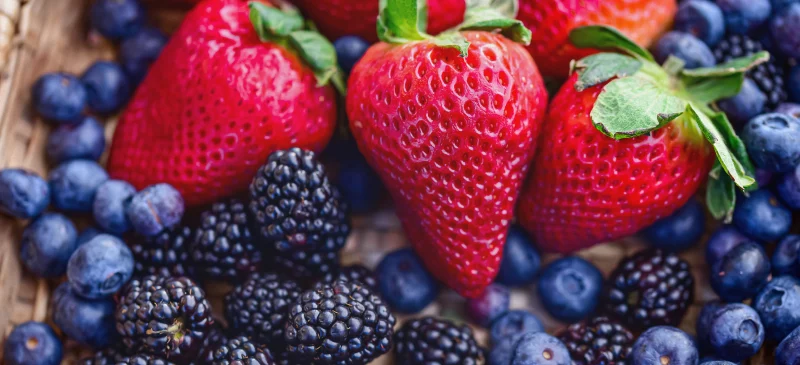
Every year, the Environmental Working Group (EWG) releases its widely discussed Shopper’s Guide to Pesticides in Produce, better known as the Dirty Dozen and Clean 15 lists. The Dirty Dozen 2026 highlights fruits and vegetables with the highest pesticide residues, while the Clean 15 2026 identifies produce with the lowest levels.
If you’re trying to eat healthier, reduce toxin exposure or shop smarter on a budget, understanding the 2026 Dirty Dozen and 2026 Clean 15 can help you prioritize when to buy organic and when it may not matter as much (though of course it’s always a good idea to purchase organic produce whenever you can).
Importantly, these lists are not meant to discourage eating fruits and vegetables. Instead, they provide a practical framework for minimizing pesticide exposure while still enjoying a nutrient-dense diet.
Dirty Dozen 2026
The Dirty Dozen 2026 includes the 12 fruits and vegetables found to have the highest levels of pesticide residues after washing and preparation.
Here is the Dirty Dozen 2026 list:
Spinach
Kale, collards and mustard greens
Strawberries
Grapes
Nectarines
Peaches
Cherries
Apples
Blackberries
Pears
Potatoes
Blueberries
Leafy greens and berries continue to dominate the 2026 Dirty Dozen, largely because of their thin skins and high exposure to pesticides during growing.
Across the Dirty Dozen samples, a total of 203 different pesticides were identified, with residues detected on 96 percent of the fruits and vegetables tested. Additionally, PFAS chemicals were found on 63 percent of these items.
Potatoes contained an average of two pesticide residues, while each of the other 11 foods had four or more on average.
Meanwhile, green beans and bell and hot peppers landed just outside the Dirty Dozen, and they were among the top of the 2026 Dirty Dozen list on the basis of the level and toxicity of detected pesticides (along with spinach, kale, collards and mustard greens).
Some key insights:
Many samples contained multiple pesticide residues at once.
Certain items (like spinach and strawberries) showed especially high contamination rates.
Some pesticides detected are banned or restricted in other countries.
These types of produce often have thinner skins or a greater ability to absorb pesticides, which makes them more difficult to fully clean. When possible, choosing organic versions of these foods is recommended.
Clean 15 2026
On the other end of the spectrum, the Clean 15 2026 highlights conventionally grown produce with the lowest pesticide residues.
Here is the Clean 15 2026 list:
Pineapple
Sweet corn (fresh and frozen)
Avocados
Papaya
Onions
Sweet peas (frozen)
Asparagus
Cabbage
Cauliflower
Watermelon
Mangoes
Bananas
Carrots
Mushrooms
Kiwi
These foods tend to have:
Thick skins or peels that protect against pesticide absorption
Lower overall pesticide usage during farming
Fewer detectable residues after washing
In fact, nearly 60 percent of Clean 15 samples had no detectable pesticide residues at all, and only 16 percent of Clean 15 fruits and veggies had residues of multiple pesticides.
This means you can often buy these items conventionally and still keep pesticide exposure relatively low. (But again, buying organic is never a bad idea!)
Full produce list
EWG also published a complete ranking of the 47 fruits and vegetables it analyzed, arranged from the lowest to highest levels of pesticide residue.
Items ranked 1 to 15 make up the Clean 15, while those ranked 36 to 47 fall into the Dirty Dozen. The remaining produce, ranked 16 to 35, sits in the middle range.
Here is the full list of tested produce in 2026:
Pineapple
Sweet corn (fresh and frozen)
Avocados
Papaya
Onions
Sweet peas (frozen)
Asparagus
Cabbage
Cauliflower
Watermelon
Mangoes
Bananas
Carrots
Mushrooms
Kiwi
Broccoli
Cantaloupe
Sweet potatoes
Eggplant
Snap peas
Grapefruit
Raspberries
Summer squash
Oranges
Tomatillos
Plums
Tomatoes
Winter squash
Cherry tomatoes
Celery
Cucumbers
Tangerines
Lettuce
Bell and hot peppers
Green beans
Blueberries
Potatoes
Pears
Blackberries
Apples
Cherries
Peaches
Nectarines
Grapes
Strawberries
Kale, collards and mustard greens
Spinach
Key report findings
The 2026 Dirty Dozen and Clean 15 report is based on extensive USDA testing of produce samples prepared the same way consumers eat them.
Here are some of the most important takeaways:
Nearly 75 percent of non-organic produce in the U.S. contained pesticide residues.
More than 54,000 samples were analyzed across dozens of produce types.
A total of 264 different pesticide residues were detected.
96 percent of Dirty Dozen samples showed pesticide contamination.
Many samples contained multiple pesticides per item, with levels reaching four pesticides or more in some foods.
The report also noted the presence of PFAS pesticides (“forever chemicals”), raising concerns about long-term environmental and health effects
At the same time, it’s worth noting that regulatory agencies maintain that pesticide levels found in food are generally within safety limits, and experts emphasize the importance of continuing to eat fruits and vegetables regularly.
How to avoid contaminated produce
A smart approach to avoid toxins is to combine better shopping habits, better prep methods and better sourcing decisions. The goal is not perfection. It is making practical choices that help you reduce exposure while still eating plenty of fruits and vegetables.
Here are some tips to avoid pesticide exposure from produce:
1. Prioritize organic purchases for the highest-risk produce
When you can, put your organic budget toward the foods on the Dirty Dozen 2026. Those items tend to carry the heaviest residue load, so this is usually the most effective place to start if you are trying to cut back on pesticide intake.
2. Use the Clean 15 to make conventional produce work for your budget
The Clean 15 2026 gives you lower-residue options that are generally better conventional picks, helping you balance cost and quality more strategically.
3. Wash produce well before eating or cooking it
A thorough rinse is still worth doing, whether produce is organic or conventionally grown. Running water helps remove excessive dirt, bacteria and some residue from the surface. For firmer foods, a dedicated produce brush can help clean more effectively.
4. Add a soaking step for extra cleaning power
For produce you are especially concerned about, a soak can give you another layer of cleanup. A baking soda solution or a diluted vinegar mixture can help reduce some surface residues before you rinse and dry the produce.
5. Peel selectively when it makes sense
For some foods, removing the outer layer can help lower pesticide exposure. This can be useful with produce such as apples, cucumbers or potatoes when organic is not available.
At the same time, peels can contain fiber and beneficial nutrients, so it makes more sense as a targeted strategy than a blanket rule.
6. Buy local and in season when possible
Seasonal produce from nearby farms is often fresher and may require less storage-related chemical treatment than produce shipped long distances. Shopping locally can also make it easier to learn how your food was grown.
7. Look for farms that use more sustainable growing methods
If you buy from farmers markets or regional growers, ask about their practices. Some farms use approaches such as integrated pest management or regenerative agriculture methods to reduce reliance on synthetic pesticides while still protecting crops.
8. Grow some of your own food
Even a small garden, patio setup or kitchen herb box can make a difference. Growing your own food gives you direct control over how it is produced and can be one of the simplest ways to avoid unwanted chemical exposure.
9. Keep up with current pesticide guidance
Residue patterns and rankings can shift from year to year, so it helps to check updated resources such as the latest Dirty Dozen and Clean 15 lists. Staying current can help you make smarter decisions at the grocery store instead of relying on outdated assumptions.
10. Eat a wider variety of produce
Rotating the fruits and vegetables you eat can help reduce repeated exposure to the same chemicals from the same foods. A more varied diet also supports better nutrition by broadening the range of vitamins, minerals and plant compounds you get regularly.
Conclusion
The Dirty Dozen 2026 and Clean 15 2026 offer a practical, research-based guide to help you navigate today’s food system.
By focusing on buying organic for the 2026 Dirty Dozen, choosing more options from the 2026 Clean 15, and washing and preparing produce properly, you can significantly reduce pesticide exposure without overcomplicating your diet.
At the end of the day, the most important takeaway is simple: Eat more fruits and vegetables; just be smarter about which ones you prioritize.
Related Articles
March 28, 2026
|health
How to Boost or Support Cognitive Function
In the pursuit of healthy aging, our cognitive function plays a major role. It encompasses the ability to keep learning, remember and think clearly so we navigate everyday life successfully.
March 23, 2026
|health
How Much Protein Do You Need Per Day?
For people looking to improve their body composition and potentially manage a healthy weight, one of the most common questions they have is, “How much protein do I need a day?” Of course, that varies from person to person, and you should always consult your healthcare professional prior to starting any new dietary or lifestyle regimen.
July 23, 2026
|recipes
Banana Ice Cream (Nice Cream) & 6 Variations
When the heat of summer hits many of us think about frozen treats and, in particular, ice cream. But if we’re looking for something nondairy, without added sugar and with more nutrients, it’s perhaps time to try banana ice cream, aka nice cream.
March 21, 2026
|recipes
10 Spring Smoothies with Collagen & Seasonal Fruits
Spring is in the air, and you can reflect that with your breakfasts. Wintertime isn’t always conducive to a cold, frothy smoothie, as many of us crave warmth in our morning breakfast. But with spring here now, smoothies are back on the menu.




- © 2010-26 Ancient Brands, LLC. All rights reserved.
- Terms of Use
- Privacy Policy
- CPRA Privacy Policy/Notice of Collection
- Do Not Sell or Share My Personal Information
- Consumer Health Data Privacy Policy