

Shop by Goal
Shop by Category
Shop by Ingredient
Here's 10$ off from your friend
Discount code copied!
* This offer expires in 3 days
Home/Blog/Best Ways to Take Collagen
Best Ways to Take Collagen
By Ethan Boldt
April 11, 2026
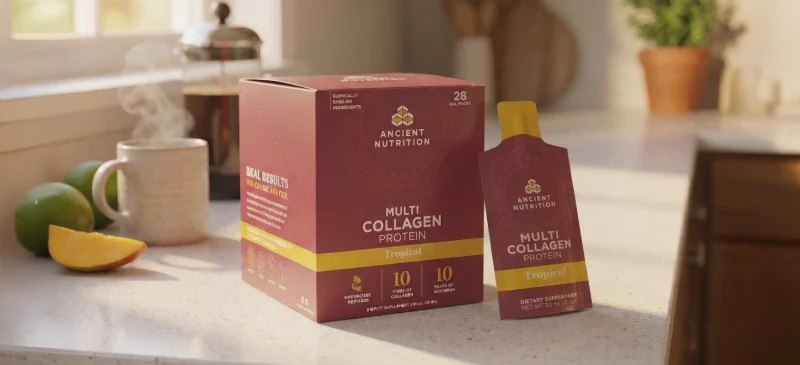
Ten years ago, most people didn’t even know what collagen was. Now a majority of people are not only aware of what collagen is and the role it plays in our body — such as greater skin elasticity and smoothness, less stiffness and discomfort in the joints, healthy hair thickness and more — but also that our bodies contain less of it as we age.
What are the best ways to take collagen? With more supplement options than ever, below we dive into what each of them are and how to use them. You’ll also see what kind of collagen-rich meals you can cook up.
What is collagen?
Collagen is the most abundant protein in the human body and a key component of our skin, joints, bones, tendons, ligaments and other connective tissues. All of these areas of the body play key roles for our structural health.
Our bones are living tissue and serve to provide overall structural support for the body. Ligaments are a type of connective tissue that attaches bones together and holds joints together, while tendons are bodily tissues attaching muscles to bones. Cartilage is the flexible connective tissue found in joints between bones and other bodily areas.
Collagen is considered a “complex protein” because it contains 19 different amino acids. Amino acids are the building blocks of proteins, and collagen includes a mix of both nonessential (also called conditional) and essential types.
Collagen also makes up about three-quarters of our skin. It functions to help skin retain and maintain its firmness, smoothness and elasticity (stretchiness). Collagen also plays a large role in healthy hair and nail strength.
Most people experience a natural decline in collagen levels due to both age and lifestyle factors. The body’s collagen production typically starts to slow down after the age of 30. The collagen loss is typically not replaced in the standard modern diet that lacks the nutrition and foods our ancient ancestors ate on a regular basis.
Best ways to take collagen
Getting collagen into your daily diet can be challenging unless you find more convenient ways to consume it, such as certain types of collagen supplements that can support certain areas of the body. There are also some collagen-rich foods to consider as well.
1. Collagen powder
Collagen protein powder, also called collagen peptides powder, is a supplement made from dried and hydrolyzed collagen, a type of complex protein found in certain animal parts. Hydrolyzed collagen is easier for your body to digest and absorb.
Animal parts that are used to make most collagen protein powders include connective tissues from cows, chickens or fish, as well as eggshell membranes. In fact, these are some of the same ingredients used to make traditional bone broth, which is typically rich in collagen.
How to use: You can mix collagen powder into water, regular drinks like coffee as well as smoothies. You can also stir it into yogurt bowls, chia seed puddings and more. You can also add it to baked goods, soups and even ice cream.
2. Collagen capsules
Collagen capsules also contain hydrolyzed collagen (collagen peptides) — a form of collagen that has been broken down into smaller amino acids for easier digestion and absorption. They’re an alternative to collagen powders for people who prefer a more convenient, tasteless option.
Like collagen powder, these capsules are designed to support skin, joints, hair and nails.
When you take collagen capsules, your body breaks them down into amino acids like glycine, proline and hydroxyproline. These are important amino acids for overall health.
How to use: Take the serving size with a glass of water at roughly the same time each day so it’s part of your routine.
3. Collagen gel packs
Collagen gel packs are single-serve, ready-to-consume supplements that contain collagen peptides in a gel or liquid form, often combined with flavors and additional functional ingredients. They’re considered highly convenient for travel, workouts or busy schedules.
Collagen gel packs are typically packaged in small, portable sachets or pouches that you can use directly — no mixing required. They usually contain hydrolyzed collagen (collagen peptides), which are broken down for easier absorption.
In addition to collagen, gel packs often include:
Flavoring (fruit-based or natural flavors)
Vitamin C
Electrolytes or amino acids
Sometimes adaptogens or other functional ingredients
How to use: No scooping or mixing needed; just tear open the packet and consume.
4. Collagen liquid
Collagen liquid is a form of collagen supplement where collagen peptides are dissolved in a liquid, making it ready to drink without any mixing.
Collagen liquid typically contains hydrolyzed collagen (collagen peptides) suspended in water or another liquid base. It often comes in bottled drinks, liquid shots and drinkable concentrates.
In addition to collagen, many liquid formulas contain hyaluronic acid (for skin hydration), biotin or B vitamins, or natural flavors or sweeteners.
How to use: Usually no mixing is required, though some forms may need to be shaken first. Then open and drink.
5. Collagen from food
While supplementation is widely available, including a few servings of collagen-rich foods (see below) and collagen-boosting foods (foods that can help support your body’s own collagen production yet don't contain any collagen) in your diet can also help optimize your levels. This in turn is supportive of healthy joints, skin health and gut health.
Foods high in collagen include bone broth, spirulina, cod fish, eggs (yolk), gelatin, beef (short ribs, brisket, shank and oxtail), chicken (wings, drumsticks and slow-cooked whole chicken) and pork rinds.
Some of the best collagen-boosting foods for helping your body to make its own collagen include leafy greens, pumpkin seeds, strawberries, citrus fruits, garlic and fermented foods.
How to use: Make bone broth and eggs, grill cod fish, and prepare the beef cuts and chicken parts suggested above. Enjoy with collagen-boosting foods like leafy greens and garlic, with select fruits (see above) and fermented foods on the side.
Conclusions
Now that you know the importance of consuming collagen, simply choose the form that best fits your lifestyle. Whether it’s a powder, capsule, gel pack or liquid, pick the ones that you enjoy taking the most and are also the most convenient.
Meanwhile, if you’re not at home, you may often find that collagen capsules or gel packs work best when on the move.
In addition, you can put collagen-rich meals into practice more often by preparing some of the foods mentioned above.
Frequently asked questions
What types of collagen supplements does Ancient Nutrition offer?
Ancient Nutrition offers many collagen supplements, including:
Multi Collagen Protein powder: Features 10 types of collagen from four real food sources (beef, chicken, fish and eggshell membrane) as well as SBO probiotics for healthy gut support.
Multi Collagen capsules: Also includes 10 types of collagen plus a fermented botanical blend.
Multi Collagen Protein gel packs: Each gel pack delivers 10 types of collagen, 9 grams of protein, vitamin C and clinically validated fermented eggshell membrane collagen
Benefits for the supplements above include:
Reduces joint stiffness beginning as early as 7 days
Promotes healthy hair and hair texture
Improves the elasticity of skin around the eyes (think crow’s feet) after 6 weeks
What is the best time of day to take collagen?
There isn’t one “perfect” time — collagen can be taken any time of day. Many people prefer taking it in the morning (in coffee or smoothies) or post-workout to support recovery. Consistency matters more than timing.
Should I take collagen with food or on an empty stomach?
Collagen can be taken with or without food. Some people prefer taking it on an empty stomach, but there’s no strong evidence that this significantly changes effectiveness.
How much collagen should I take daily?
Most collagen products provide 10–20 grams per day of collagen peptides. The ideal amount may vary depending on your goals, such as skin, joint or gut support.
What’s the best form of collagen to take?
The best form depends on your preference:
Powder: versatile and easy to mix into drinks or recipes
Capsules: convenient for on-the-go
Liquid/gel packs: ready-to-consume and portable
All forms typically contain hydrolyzed collagen for absorption.
Can I add collagen to hot drinks?
Yes, collagen peptides are generally heat-stable, so you can add them to coffee, tea, baking recipes or oatmeal without affecting their structure.
How long does it take to see results from collagen?
Results vary, but many people may begin to notice changes in 4–8 weeks (or more), especially for skin or joint support. Consistent daily use is key.
Is collagen a complete protein?
No, collagen is not a complete protein because it lacks certain essential amino acids. It’s best used alongside other protein sources, not as your only protein.
Can I take collagen every day?
Yes, collagen is typically designed for daily use as part of a consistent routine.
Can collagen be used in recipes?
Yes, collagen powder is very versatile and can be added to:
Smoothies
Coffee or tea
Baked goods
Oatmeal or yogurt
Does collagen have a taste?
Unflavored collagen is usually neutral in taste and odor, making it easy to add to foods and drinks without changing flavor significantly.
As always, you should consult your healthcare provider prior to beginning any new dietary or lifestyle regimen, including dietary supplementation.
Related Articles
April 9, 2026
|health
How to Balance Hormones: New Habits, Foods and Supplements
Female hormones such as estrogen, progesterone and testosterone have a significant impact on a woman’s health, including menstruation, pregnancy and menopause. These chemical messengers also impact one’s mental, physical and emotional health, and they even affect one’s ability to control appetite, weight, mood and more.
April 8, 2026
|health
11 Best Travel Supplements (and Why They're a Good Idea)
Traveling is one of life's greatest pleasures, offering opportunities for exploration, adventure and relaxation. But let's be honest, sometimes travel can disrupt our routines and wreak havoc on our health. Disrupted sleep, unfamiliar food and long days exploring can leave us feeling sluggish and vulnerable.
April 7, 2026
|health
Is Blood Sugar Linked to Aging Skin? 5 Steps to Take
When it comes to healthy, youthful-looking skin, most people think about skincare products, sun exposure or collagen creams. But there’s another powerful factor working behind the scenes: your blood sugar levels.
April 3, 2026
|health
How to Maximize Post-Workout Recovery
After your workout, game or race, it’s recovery time. That doesn’t mean putting your feet up and having a beer. Instead, post-workout recovery is a science that even us weekend warriors take seriously these days. And the NBA and Olympic athletes that I advise? It’s crucial.




- © 2010-26 Ancient Brands, LLC. All rights reserved.
- Terms of Use
- Privacy Policy
- CPRA Privacy Policy/Notice of Collection
- Do Not Sell or Share My Personal Information
- Consumer Health Data Privacy Policy