

Shop by Goal
Shop by Category
Shop by Ingredient
Here's 10$ off from your friend
Discount code copied!
* This offer expires in 3 days
Home/Blog/11 Spring Soups, Including Best Ingredients
11 Spring Soups, Including Best Ingredients
By Ethan Boldt
April 14, 2026
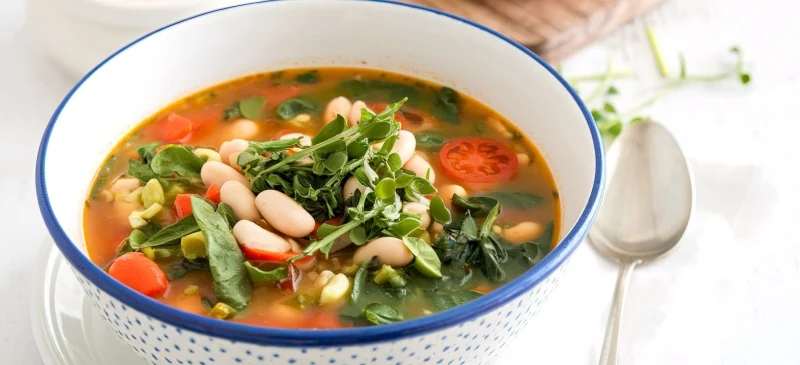
Spring soups are a great way to transition from those heavy winter meals into lighter, more refreshing meals that add more nutrients into your life and also help you lose weight or manage a healthy weight more easily.
April and May is when many soup friendly vegetables make their seasonal debut, and below are a bunch of recipes that feature these spring vegetables and herbs. Fresh vegetables mean more flavor, more nutrients, more color. Win-win-win.
We also show you how to add more fiber, protein and healthy fats into spring soup recipes for a balanced soup that can stand up as a main dish.
Benefits of spring soups
When you eat seasonally, this can mean fresher, more flavorful ingredients. Here are some of the benefits of spring soups:
Rich in seasonal nutrients: Spring soups typically include fresh ingredients like asparagus, peas, spinach and herbs. These foods are rich in vitamins, minerals and antioxidants that support overall health and help replenish nutrients after winter.
Lighter and easier to digest: Compared to heavier winter stews and cream-based soups, spring soups are often lighter and more hydrating. This can make them easier on digestion while still providing satisfying nourishment.
Supports hydration: Because soups have a high water content, they can help contribute to daily fluid intake. Staying hydrated supports digestion, energy levels and overall wellness.
Supports gut health: Many spring soups include vegetables rich in fiber and plant compounds that support a healthy gut microbiome. Broth-based soups may also be gentle on the digestive system.
Best ingredients for spring soups
Spring soups are all about fresh, light and vibrant ingredients that reflect the season. Rather than the root vegetables of fall and winter, think tender vegetables, bright herbs and clean flavors.
Here are some of the best ingredients to include in your spring soups for balanced macronutrient — enough healthy carbs, fats and protein — dishes:
1. Fresh spring vegetables
Go to your local farmer’s market or grocery store to pick up the following:
Asparagus: slightly sweet, tender, and classic for spring
Peas (green or snap peas): naturally sweet and fresh
Spinach or baby greens: light and nutrient-dense
Leeks: mild onion flavor that’s perfect for soups
Carrots (young): add subtle sweetness and color
Fennel: adds a light, slightly licorice flavor
Artichokes: earthy and seasonal
2. Base ingredients
Rather than relying on cream, flour and noodles, you can still create texture without the heaviness by including:
Potatoes: create a creamy consistency when blended
Cauliflower: a lighter alternative for creaminess
White beans: add creaminess plus plant-based protein
3. Broth base
Along with the ingredients for texture, a good broth can keep it light and flavorful:
Vegetable broth
Chicken broth
Bone broth (for added protein and richness, like Bone Broth Protein that you mix with water)
4. Protein
Many soups are low in protein. To hit your protein goals and make your soups more filling, include the following:
Use Bone Broth Protein as your broth (see above)
Shredded chicken
Chucks of whitefish
Lentils or chickpeas
White beans
Eggs (poached or soft-boiled)
5. Healthy fats
A soup without fat won’t satiate. Consider these fats for flavor and to fill you up:
Cook with some coconut milk (you can go with a light coconut milk, too, to not overdo the calories) alongside the broth
Sauté the vegetables with avocado or olive oil
As a finish, drizzle on olive oil
You can also add avocado slices, a pesto swirl or a dollop of Greek yogurt
6. Flavor boosters
Don’t forget this step, for flavor is king in the soup world and especially if you want your crowd to ask for it again. Here are some great flavor boosters:
Lemon juice or zest
Apple cider vinegar
Garlic and ginger
Fresh herbs like parsley, dill, chives, mint and basil
10 spring soups
1. Asparagus soup
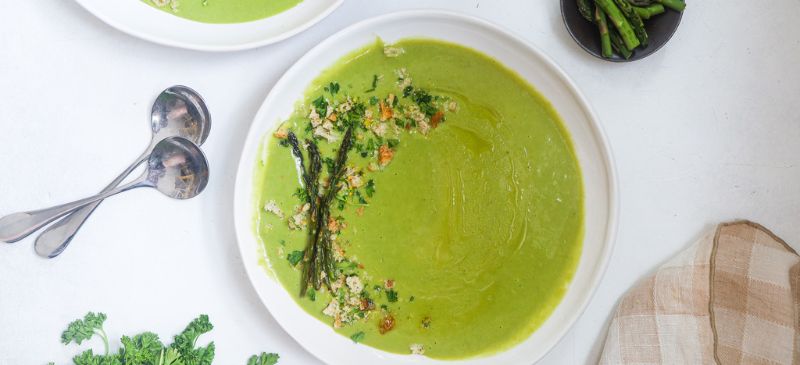
Spring is the season for asparagus, as it’s one of the first green vegetables to make an appearance.
The most common asparagus soup uses cream (cream of asparagus soup), adding unnecessary dairy and sometimes too much fat for the average eater. Instead, the same creaminess is reached by using Yukon gold potatoes and Bone Broth Protein Chicken Soup, which also adds helpful protein.
Macros: For each 273-calorie serving, this soup contains 28 grams of carbohydrates (7 grams of fiber), 6 grams of fat and 19 grams of protein
2. Carrot ginger soup
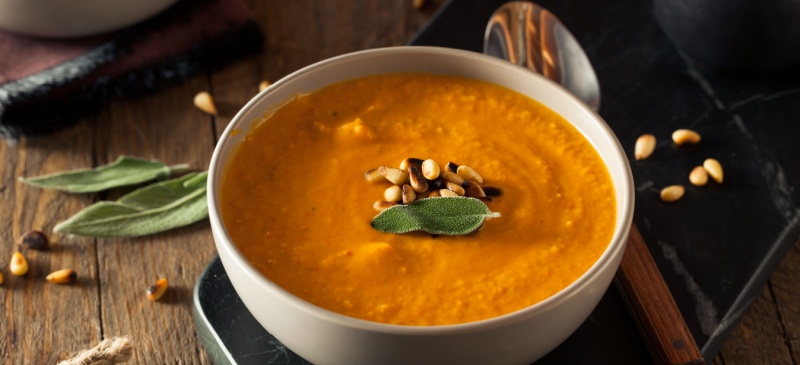
Carrot and ginger make one of the more classic spring flavor combinations — pairing balancing sweet, earthy carrots with pungent, spicy ginger.
Make up a carrot and ginger soup with three cups of carrots, half an Idaho potato, half an onion and perhaps some shredded chicken as the base of the dish. Add a couple of cups of vegetable or chicken bone broth. Use butter or olive oil as the fat, then about a third of a cup of coconut milk.
Flavor up the soup with fresh grated ginger, garlic, cinnamon, pepper and sea salt. After you cook and then blend the soup, add some fresh dill.
Macros: For each 236-calorie serving, this soup contains roughly 19 grams of carbohydrates (4 grams of fiber), 12 grams of fat and 15 grams of protein
3. Miso soup
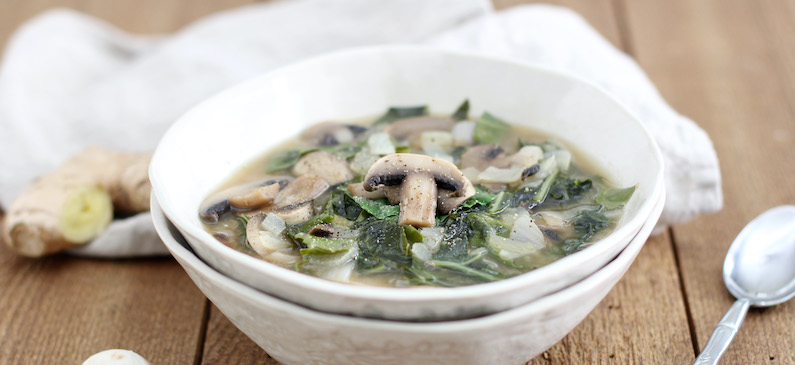
A traditional Japanese dish, miso soup is made using a miso broth made from a softened paste. Other ingredients include bone broth, mushrooms, veggies, leafy greens and seaweed. Delicious, low in calories and good for your gut!
Macros: For each 173-calorie serving, this soup contains 24 grams of carbohydrates, 2 grams of fat and 17 grams of protein.
4. Potato leek soup
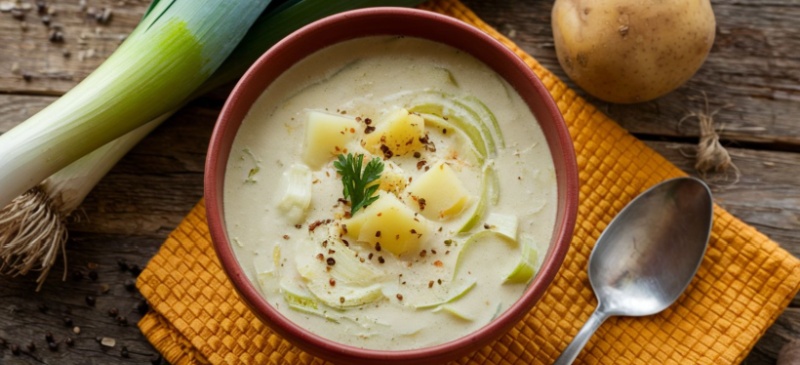
Many people associate potato leek soup with winter but leeks are a spring vegetable. To make this even more spring-like and less wintery, we use cauliflower along with potato and omit the milk or heavy cream.
Use half a medium head of cauliflower, an onion, a couple of leeks, three stalks of celery and two Yukon gold potatoes, peeled and cut up. Use some butter as the fat. Cook with six cups of water and five scoops of Bone Broth Protein Chicken Soup.
For flavor, add a bay leaf and fresh thyme. After cooking and then blending the soup, add bits of cooked turkey bacon and sliced green onions.
Macros: For each 334-calorie serving, this soup contains roughly 54 grams of carbohydrates (7 grams of fiber), 10 grams of fat and 18 grams of protein.
5. Creamy broccoli soup
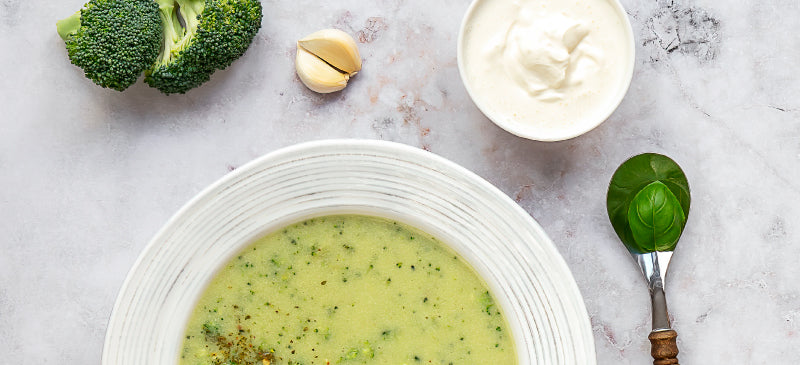
Cream of broccoli soup is typically loaded with butter and flour, but not this version that uses coconut oil, coconut milk and bone broth to give this soup the right type of texture along with good fats.
With the broccoli, greens and green onions, and garlic, this creamy broccoli soup is full of nutrients. One serving provides at least 100 percent daily required value of manganese as well as vitamins A, C and K.
Macros: For each 362-calorie serving, this soup contains roughly 32 grams of carbohydrates (15 grams of fiber), 20 grams of fat and 25 grams of protein.
6. Broccoli cauliflower soup
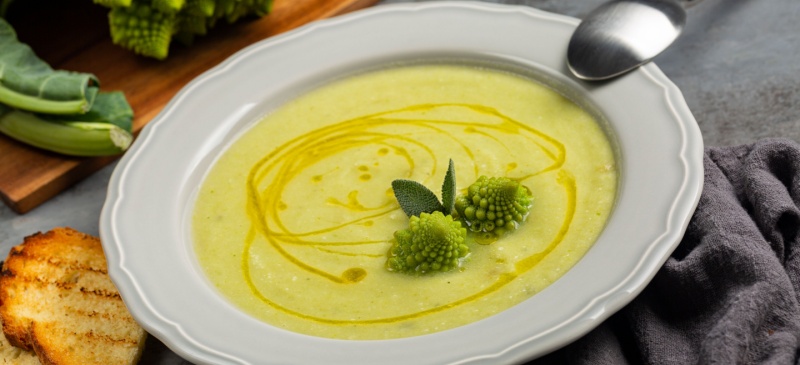
Most of you have tried broccoli soup (see above), but what about broccoli cauliflower soup? These cruciferous vegetables marry together so well, producing a magnificent color with a nice assist from the spice turmeric.
Use half a head of cauliflower and broccoli for the bulk of the soup, then use olive oil and some coconut milk as the fat. Cook in a bone broth base.
For flavor, add garlic, turmeric, curry powder, whole grain mustard, pepper and sea salt. After cooking and blending, mix in some fresh lemon juice, fresh cilantro and dill.
Macros: For each 210-calorie serving, this soup contains roughly 9 grams of carbohydrates (5 grams of fiber), 16 grams of fat and 11 grams of protein.
7. Blended pea soup
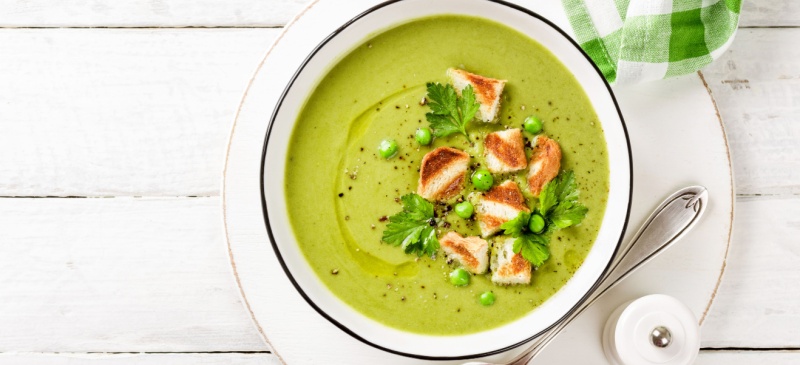
Peas are a classic spring vegetable, but you can also use frozen peas in this delicious blended pea soup. It also uses chickpeas and is made with anti-inflammatory spices.
The bulk of this blended pea soup comes from a can of chickpeas (drained and rinsed), three parsnips and four cups of peas. Fat comes from coconut milk (one cup), and the liquid is chicken bone broth (six cups).
The flavor comes from curry paste, coriander, turmeric, ginger, garlic powder, pepper and sea salt. Cook for 20 minutes or so, then blend. Add fresh cilantro and cooked beef bacon, chopped, on top.
Macros: For each 297-calorie serving, this soup contains roughly 29 grams of carbohydrates (9 grams of fiber), 16 grams of fat and 16 grams of protein.
8. Kennett Square mushroom soup

Kennett Square, near where I live, is considered the “mushroom capital of the world” — it produces around 60 percent of all mushrooms in the U.S. It’s also where my wife and I get local mushrooms from each weekend in the spring, as nothing better than a mushroom soup this time of year.
Sauté four diced shallots in some avocado oil in a pot. Then add six cups of fresh mushrooms (such as a mix of crimini, shiitake and oyster), two leeks (whites only) and four stalks of celery, all chopped up. Sauté a little bit.
Then add a cup of coconut milk and four cups of chicken bone broth. Next toss in a tablespoon of herbs de Provence. Optionally add some sherry, but make sure to cook off. Overall, cook for around 45 minutes. (Or make in an Instant Pot for 10 minutes.)
Blend the soup, adding some arrowroot powder to thicken if you desire.
Macros: For each 359-calorie serving, this soup contains roughly 53 grams of carbohydrates (8 grams of fiber), 17 grams of fat and 12 grams of protein.
9. French onion soup

You’ve likely had classic French onion soup at a restaurant or cafe. For an everyday soup, it can be too rich. Not this version, as our homemade French onion soup is perfectly balanced in macros.
To make this French onion soup more spring-like, consider using spring onions. And make sure you go with fresh thyme.
Macros: For each 343-calorie serving, this soup contains 18 grams of carbohydrates (3 grams of fiber), 16 grams of fat and 26 grams of protein.
10. Red lentil soup

Want a healthy, low-calorie vegan soup loaded with vitamin A, C and K … and that will also keep you satisfied for hours? It uses spring greens like kale and Swiss chard, plus young carrots and spring onions. It also happens to be a gorgeous soup that’s fun to present.
Sauté cut-up celery, spring onions, garlic and carrots with some coconut oil in a big soup pot. Add six cups of vegetable broth (use chicken bone broth if you want more protein), one cup of red lentils, two cups of chopped kale or Swiss chard, fresh thyme, then some black pepper and sea salt.
Cook for 25 minutes, or until the lentils are tender.
Macros: For each 206-calorie serving, this soup contains 33 grams of carbohydrates (5 grams of fiber), 8 grams of fat and 6 grams of protein.
Spring minestrone soup recipe
Category
SoupsServings
4Time
40 minCalories
258Author
Ethan BoldtA classic spring minestrone soup features light, fresh ingredients, typically combining leeks, carrots, asparagus, baby potatoes, green beans, peas, and spinach in a savory broth, finished with lemon and parmesan. This veggie-packed one-pot meal is perfect for early spring, often elevated with white beans and pesto.
Ingredients
2 tablespoons extra virgin olive oil
1 leek, chopped (or 1 bunch green onions)
2 cloves garlic, minced
6 cups chicken bone broth (4 scoops Bone Broth Protein mixed with 6 cups water)
1 lb Yukon gold potatoes, chopped into chunks
½ pound asparagus, woody ends removed, cut into 1-inch pieces
1 cup shelled fresh peas (or frozen)
1 cup sugar snap peas (trimmed)
1 (15 ounce) can chickpeas or cannellini beans (rinsed and drained)
2 handfuls fresh spinach
sea salt and black pepper to taste
Optional:
lemon juice
fresh herbs (dill, mint or parsley)
fresh Parmesan cheese
pesto
Directions
Heat olive oil in a large pot over medium heat. Add leeks (or green onions) and cook until soft, about 5 minutes. Add garlic and cook for 1 minute until fragrant.
Add the stock and potatoes. Bring to a boil, then reduce heat and simmer for 10 minutes until potatoes are almost tender.
Add the asparagus, peas, sugar snap peas and chickpeas. Cook for another 5–8 minutes until all vegetables are tender but still bright green.
Stir in the spinach and cook just until wilted, about 1 minute. Remove from heat and stir in fresh lemon juice or herbs.
Ladle into bowls and top with freshly grated Parmesan cheese or pesto.
Nutrition
One spring minestrone soup serving (690 g) contains:
Calories: 258
Total Carbohydrate: 48.3 g
Fiber: 10.5 g
Sugar: 9.2 g
Total Fat: 10.9 g
Saturated Fat: 1.8 g
Unsaturated Fat: 8.2 g
Trans Fat: 0 g
Cholesterol: 0 mg
Protein: 33.5 g
Sodium: 217 mg (14% DV*)
Vitamin K: 91.6 mcg (102% DV)
Manganese: 1.531 mg (85% DV)
Vitamin A: 1968 IU (84% DV)
Copper: 0.692 mg (77% DV)
Vitamin C: 54.8 mg (73% DV)
Vitamin B6: 0.668 (51% DV)
Vitamin B3: 7.857 mg (56% DV)
Phosphorus: 316 mg (45% DV)
Vitamin B1: 0.345 mg (31% DV)
Vitamin B2: 0.315 mg (29% DV)
Iron: 5.08 mg (28% DV)
Magnesium: 81 mg (26% DV)
Potassium: 1184 mg (25% DV)
Zinc: 1.95 mg (24% DV
*Daily Value: Percentages are based on a diet of 2,000 calories a day.
Related Articles
April 12, 2026
|recipes
8 Breakfasts for a Healthy Inflammatory Response
Inflammation is our built-in system to help our body through something challenging, such as when the immune system or lymphatic system are activated and send out white blood cells to the area of need via increased blood flow — and promote the natural healing process in the body. It’s a normal process.
July 23, 2026
|recipes
Banana Ice Cream (Nice Cream) & 6 Variations
When the heat of summer hits many of us think about frozen treats and, in particular, ice cream. But if we’re looking for something nondairy, without added sugar and with more nutrients, it’s perhaps time to try banana ice cream, aka nice cream.
March 21, 2026
|recipes
10 Spring Smoothies with Collagen & Seasonal Fruits
Spring is in the air, and you can reflect that with your breakfasts. Wintertime isn’t always conducive to a cold, frothy smoothie, as many of us crave warmth in our morning breakfast. But with spring here now, smoothies are back on the menu.
November 24, 2025
|recipes
Breakfast Bars Recipe, Plus a Plant-Based Variation
Oats are a main ingredient for many breakfasts, especially oatmeal and overnight oats. A new oat-based recipe is fast becoming popular: breakfast bars, aka baked oatmeal bars.




- © 2010-26 Ancient Brands, LLC. All rights reserved.
- Terms of Use
- Privacy Policy
- CPRA Privacy Policy/Notice of Collection
- Do Not Sell or Share My Personal Information
- Consumer Health Data Privacy Policy