

Shop by Goal
Shop by Category
Shop by Ingredient

Here's 10$ off from your friend
Discount code copied!
* This offer expires in 3 days
Home/Blog/Pregnancy & Postpartum Exercise Plan
Pregnancy & Postpartum Exercise Plan
By Betina Gozo, CPT
October 28, 2026
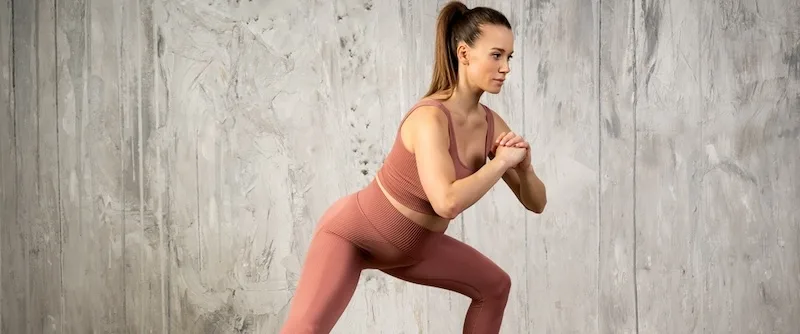
When a woman gets pregnant, there are so … many … questions. While I’m not qualified to answer all of the health ones, I can certainly tackle the questions about exercising during and after pregnancy, as I’m a certified personal trainer, a mother and currently pregnant!
First, please know that there are many benefits, both physically and mentally, to exercising during your pregnancy and then postpartum. For example, strength training can help women maintain strength and muscle, support posture and mobility as the body changes, manage some of the aches and discomforts that can come with pregnancy, and prepare the body for the physical demands of labor, delivery and postpartum recovery.
There is something really powerful about continuing to feel connected to your body during a season when your body is changing so much.
Below I lay out the benefits of exercising during pregnancy, fitness plans for during pregnancy and then postpartum, and I also take on the many questions you might have.
Of course, please check with your healthcare professional before beginning any exercise routine when pregnant and after giving birth.
Benefits of exercising during pregnancy
There are well recognized benefits of exercising when pregnant, as doing a combination of strength training, cardio work and other exercise (yoga, for example) can do the following for women:
1. Supports healthy weight gain (instead of excessive weight gain)
Regular exercise helps manage pregnancy-related weight gain by supporting energy balance, maintaining muscle mass and promoting metabolic health. Staying within recommended gestational weight-gain ranges may also reduce the risk of certain pregnancy complications.
2. Reduces the risk of gestational diabetes
Exercise improves insulin sensitivity and helps the body regulate blood sugar levels. Research indicates that regular physical activity during pregnancy can significantly reduce the risk of developing gestational diabetes, a condition that affects blood sugar regulation during pregnancy.
3. Supports cardiovascular health
Pregnancy places additional demands on the heart and circulatory system. Moderate aerobic exercise, such as walking, swimming or stationary cycling, can help maintain cardiovascular fitness and support healthy circulation.
4. Improves mood and mental well-being
Physical activity can help reduce stress, improve mood and alleviate symptoms of occasional anxiousness and “the blues” during pregnancy. Exercise also provides a sense of routine and accomplishment, which may support emotional well-being as the body undergoes significant changes.
5. Helps relieve back pain and physical discomfort
As pregnancy progresses, changes in posture, weight distribution and joint stability can contribute to lower back discomfort. Appropriate strengthening, mobility and stretching exercises may help improve posture, support the muscles surrounding the spine and reduce pregnancy-related back and pelvic discomfort.
6. Supports better sleep
Sleep disturbances are common during pregnancy, particularly in the second and third trimesters. Regular physical activity may improve sleep quality, help regulate sleep patterns and reduce stress that can interfere with restful sleep.
7. Maintains muscle strength and endurance
Strength training can help prepare the body for the demands of pregnancy, labor and postpartum because you're building strength, mobility, stability and body awareness. Maintaining strength in the legs, glutes, back and core can make everyday activities more manageable as pregnancy progresses.
8. Prepares the body for labor and delivery
Labor can be physically demanding, requiring stamina, muscular endurance and effective breathing. Regular exercise helps maintain cardiovascular fitness and physical conditioning, which may make it easier to tolerate the demands of childbirth. Research also associates prenatal exercise with a reduced likelihood of cesarean delivery.
9. Helps reduce occasional constipation
Hormonal changes during pregnancy can slow intestinal movement, making occasional constipation more common. Walking and other forms of moderate physical activity can help stimulate normal bowel motility and support digestive regularity.
10. Supports postpartum recovery
Maintaining strength, mobility and cardiovascular fitness during pregnancy may make it easier to resume everyday activities after childbirth. Women who remain active during pregnancy may also find it easier to gradually return to exercise postpartum, although recovery depends on delivery circumstances and individual health.
Pregnancy fitness plan
I like a combination of strength training, walking (or other cardiovascular work), mobility and just staying generally active throughout the day.
Notes:
During the first trimester, I think most women should celebrate any sort of movement, because that is usually when women find the hardest motivation or energy to move.
If you feel good and were already active before pregnancy, you can often continue with a similar routine while making modifications as needed.
Pregnancy doesn’t need to become a rigid workout schedule. Consistency matters more than perfection, and your routine is going to ebb and flow throughout the different trimesters.
I love strength training during pregnancy because it can be adapted to almost every stage. Squats, deadlift variations, rows, presses, carries, lunges and other functional movements can all be appropriate depending on the individual.
My favorite pre-pregnancy exercises are the foundational movements: squats, deadlifts, presses, rows, carries and loaded unilateral work. I want women to build strength that actually carries over into everyday life, not just chase a certain workout or calorie burn.
Here are five movements you can do throughout pregnancy:
1. Squat variation
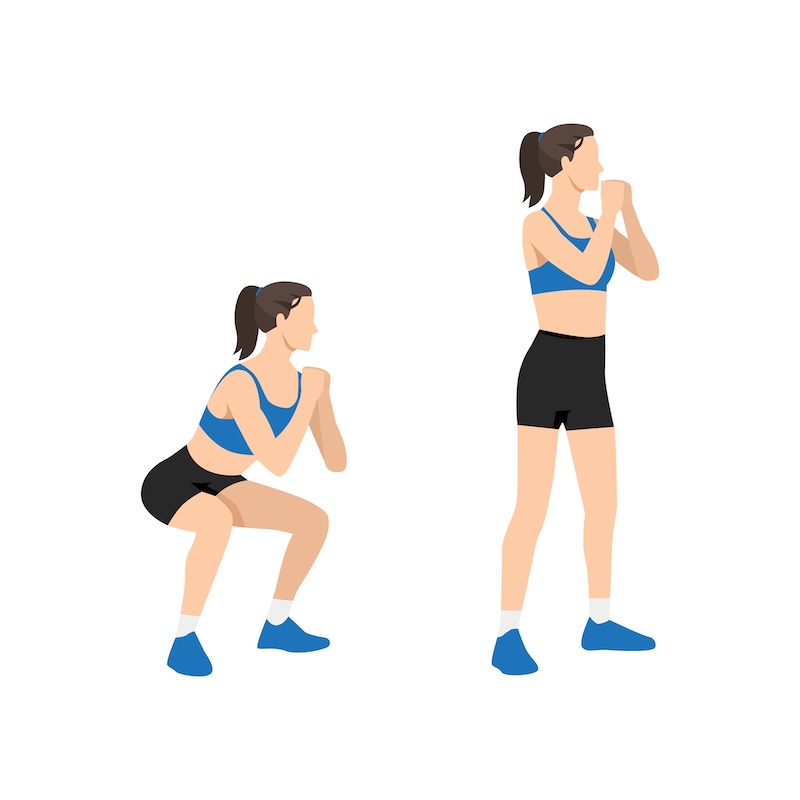
2. Deadlift or hip-hinge variation
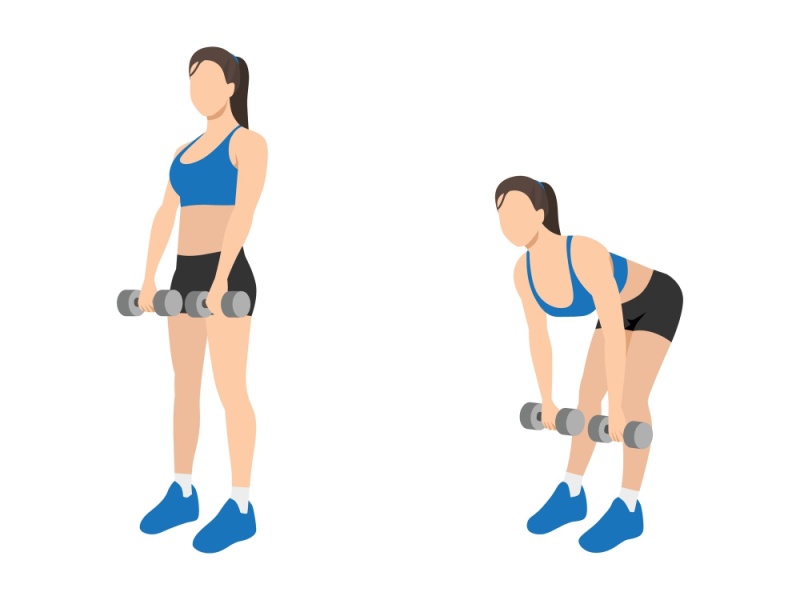
3. Row

4. Loaded carry
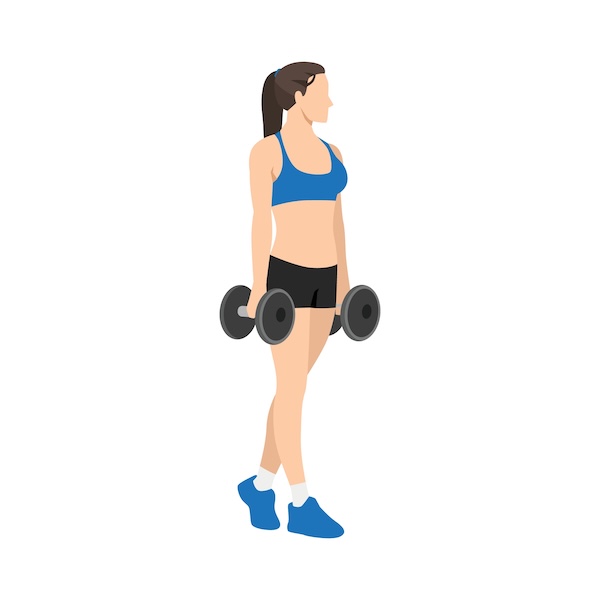
5. Lunge or other unilateral movement

Together, those five movements train the legs, hips, back, upper body and core while also challenging stability and coordination. They are incredibly functional, and they can all be modified as the belly grows and your body changes.
In addition, some pelvic-floor training is a good idea. It needs to be more than just doing Kegels. The pelvic floor needs to be able to contract, but it also needs to relax and coordinate with your breathing and your core. I also love the idea of women learning how to breathe and manage pressure, not just strengthening one muscle group in isolation.
Common questions about exercising during pregnancy
Is it safe to start exercising after becoming pregnant if you weren't active before?
As long as your healthcare provider has said it is okay to exercise, starting a pregnancy-safe strength training program with a prenatal coach can be very beneficial. You don't need to have been exercising before pregnancy to start moving now. The key is starting appropriately, progressing gradually and making sure the program is designed for your current stage of pregnancy.
What are the biggest misconceptions about exercising during pregnancy?
The two biggest myths I hear are still: you should not lift over 10 pounds when you’re pregnant or that your heart rate should not go above 140. Neither of those are blanket rules for pregnancy.
How you exercise should be based on the individual, their fitness level, their pregnancy and what their healthcare provider recommends. Pregnancy is not a time to stop moving or stop being strong. It is a time to learn how to train with your changing body.
What tips can you give about making sure to stay fit and healthy throughout pregnancy?
This can be a combo of daily movements, better habits and some nutritional tips. I think the biggest thing is to think beyond your workout. Your daily movement matters, too. Walking, getting up regularly if you have a sedentary job, doing mobility work, getting enough protein and fiber, staying hydrated and prioritizing sleep and recovery all add up.
I also encourage women to eat enough. Pregnancy isn't the time to be restricting calories or trying to maintain a certain body weight. You're supporting yourself and growing a baby, so nutrition should be about nourishment, not punishment. And honestly, sometimes the healthiest thing you can do is rest when your body is asking for it.
How should a workout routine change during the first, second and third trimesters?
I think of pregnancy as a season of adaptation rather than three completely different workout programs. In the first trimester, you may be dealing with nausea, fatigue and a huge drop in energy, so sometimes the goal is simply maintaining movement.
In the second trimester, many women feel better and can continue building or maintaining strength while making accommodations for the growing belly.
In the third trimester, the focus often shifts toward maintaining strength, mobility, stability and feeling good rather than trying to set personal records. Your body is doing a lot of work already, so the workout should support that.
How should exercise intensity be measured during pregnancy?
I don't like women becoming overly fixated on one number, especially heart rate. I prefer using a combination of perceived exertion, the talk test, breathing and how the movement feels in your body. You should still feel like you are working, but you should be able to control your breathing and maintain good form.
Intensity is also individual. What feels moderate to one woman may feel very challenging to another.
What do you have to be careful about throughout the process? Which exercises or activities should be avoided during pregnancy?
The biggest thing is understanding that your body is changing constantly. Your center of gravity is changing, your joints can feel different because of hormonal changes, and your ability to manage pressure through your core and pelvic floor can change.
I want women to be aware of fall risk, impact, core pressure and exercises that simply don't feel good anymore. There are also certain activities that carry a higher risk of falling, abdominal trauma or overheating that may need to be avoided. This is where individualized guidance is so important.
When do you stop doing any sort of workout? When should women modify abdominal or core exercises?
I don't think there is a universal week where every woman should stop working out. If you have a healthy pregnancy and your healthcare provider has cleared you for exercise, you can generally continue moving throughout pregnancy with appropriate modifications.
With core work, I pay attention to how a woman is managing pressure. If you're seeing coning or doming, feeling pelvic pressure, experiencing leaking, pain or feeling like you can't control the movement, that's a sign to modify and consult your healthcare professional. Core training doesn't have to disappear during pregnancy, but it does need to evolve.
Is running safe during pregnancy? Is HIIT appropriate during pregnancy?
As long as you are cleared by your healthcare provider, running and HIIT can be explored. Managing core pressure is very important during pregnancy and also learning how to control your pelvic floor. There is a lot more pressure and relaxing during pregnancy, so it's important that you are still focusing on being stable and you are taking any risks into consideration when running or doing HIIT.
For example, running on an uneven trail versus a flat sidewalk or road can create very different demands. With HIIT, I want women to consider the type of movement they are doing rather than simply thinking, "HIIT is good" or "HIIT is bad." The goal is to train intelligently for the body you have that day.
Are there exercises commonly labeled “unsafe” during pregnancy that may actually be appropriate for some women?
Absolutely. I think we have to move away from blanket statements that an exercise is automatically safe or unsafe for every pregnant woman. Squats, deadlifts, running, jumping, overhead pressing and even certain core exercises may be appropriate for some women depending on their experience, their pregnancy and how their body is responding. The better question is, "Is this appropriate for this woman, at this stage of pregnancy, and can she perform it well?" Pregnancy requires individualization.
What warning signs mean a pregnant woman should stop exercising and contact her healthcare provider?
Any concerning symptoms should be taken seriously. That can include vaginal bleeding, leaking fluid, chest pain, significant shortness of breath that doesn't resolve, dizziness or fainting, severe headache, painful contractions, significant abdominal or pelvic pain, calf pain or swelling, or decreased fetal movement depending on the stage of pregnancy.
If something feels wrong or different from what you've experienced before, stop and contact your healthcare provider rather than trying to push through it.
Postpartum fitness plan
The first few weeks after giving birth, slowly ramp up. Early movement might be breathing, gentle mobility, short walks and reconnecting with the core and pelvic floor. Then you gradually add more walking, bodyweight movements and eventually resistance training.
I like to think about rebuilding the foundation first and then layering intensity on top of it. There is no prize for rushing.
The best exercises for rebuilding strength after pregnancy are simple, foundational movements:
Squats to a comfortable range
Hip hinges
Rows
Presses
Carries
Eventually lunges and more unilateral work
But the best exercise is the one that your body can currently perform well. We need to earn our way back to heavier loads, higher impact and more complex movements.
When rebuilding fitness postpartum, first reconnect to your core and breathing. Then I would prioritize a squat, a hip hinge, a row, a carry and a split-stance or unilateral movement. Those five give you a really strong foundation for rebuilding lower-body strength, upper-body strength, core stability, balance and coordination. And they translate into real life, especially when you're carrying and caring for a baby.
Common questions about exercising postpartum
When can someone safely begin exercising after giving birth? How does returning to exercise differ after a vaginal delivery versus a C-section?
Movement can begin very early postpartum, but exercise is a progression, not a switch you turn back on. In those first days and weeks, things like breathing, gentle walking, mobility and basic connection to your core and pelvic floor can be a great starting point if you and your healthcare team are comfortable with it.
A C-section is major abdominal surgery, so the timeline and progression will look different than it does after a vaginal delivery. But even after a vaginal birth, the body has gone through a huge physical event. I want women to think about healing first, then rebuilding.
How should women safely rebuild core strength postpartum?
I like to start with breathing and pressure management before jumping into traditional abdominal exercises. The goal isn't just to make the abs stronger; it's to teach the entire core system to work together again.
How should exercise be modified for diastasis recti?
With diastasis recti, I don't believe women should simply be afraid of certain exercises. We want to look at how they are managing pressure and gradually build their capacity.
What role does pelvic-floor rehabilitation play after pregnancy?
Pelvic-floor rehabilitation can be incredibly valuable, especially if a woman is experiencing leaking, heaviness, pain, pressure or difficulty controlling her core. Working with a pelvic-floor physical therapist can help make that process much more individualized.
What is the biggest mistake you see women make when returning to exercise postpartum?
Trying to pick up exactly where they left off. I see women feel like they should be "back" because they have been cleared medically, but being cleared to exercise doesn't mean your body is ready for everything you were doing before pregnancy.
Postpartum is not a fitness test. You have to rebuild capacity! Also, if you had no complications during pregnancy, you can start with gentle stretching and breathing before being cleared!
When is it appropriate to return to running, HIIT or heavier strength training?
There isn't one universal date because postpartum recovery is individual. Before returning to higher-impact or higher-intensity exercise, I want women to have rebuilt a strong foundation and be able to manage pressure, breathing, pelvic-floor function and basic strength movements without symptoms.
Running and HIIT are skills you can build back toward. You don't go from postpartum walking straight into your old HIIT class just because you hit a certain number of weeks. I always recommend seeing a pelvic floor therapist if you can.
What signs indicate someone may be progressing too quickly? How can women tell the difference between normal post-workout discomfort and symptoms that warrant medical attention?
Pain, pelvic heaviness or pressure, leaking, increased bleeding, abdominal pain, a feeling of instability, or symptoms that are getting worse rather than better are all signs to slow down and get evaluated.
Muscle fatigue or some normal soreness can be expected when rebuilding strength, but symptoms involving the pelvic floor, incision, abdomen or significant pain should not be something you simply push through.
How should postpartum fatigue and sleep deprivation affect exercise programming?
They should affect it a lot. Sleep is part of recovery, and postpartum women are often recovering from birth while also waking up multiple times a night to care for a baby. I don't believe in forcing a hard workout on a body that is desperately asking for recovery.
Some days your workout might be a walk or 10 minutes of mobility, and that's still a win. The goal is consistency over time, not proving how tough you are during a season when your body needs support.
How does breastfeeding affect exercise, hydration and nutritional needs?
Breastfeeding increases the body's nutritional and fluid demands, so I encourage women to stay well hydrated and make sure they're eating enough to support both recovery and milk production.
I also don't want breastfeeding women to feel like they need to drastically restrict calories in order to lose the baby weight. Your body is doing a lot of work and fueling it appropriately matters. If you want to keep your supply up, keep eating well!
Should weight loss be a fitness goal during the early postpartum period? What should women focus on instead of “getting their pre-baby body back”?
I would much rather see women focus on healing, nourishment, strength, energy and reconnecting with their bodies. Your body isn't something that needs to be "fixed" after having a baby. It just did something extraordinary.
There will be a time and place for body-composition goals if that's something a woman wants to pursue, but early postpartum should be about rebuilding the foundation and taking care of yourself.
How long does it typically take to regain pre-pregnancy strength and fitness?
There is no universal timeline. It depends on the pregnancy, delivery, sleep, nutrition, breastfeeding, previous fitness level, complications and how consistently someone is able to train. Some women feel strong again relatively quickly, while others need much longer. I think it's much more helpful to ask, "What does my body need right now?" instead of comparing yourself to a timeline.
At what point do you feel like you can do full workouts again?
When you've rebuilt the capacity to handle them. For me, "full workouts" aren't defined by a certain number of weeks postpartum. It's when you can move without symptoms, manage pressure well, have appropriate strength and stability, and recover from the workout without feeling like it set you back.
You earn your way back to your old level of training, and sometimes you may discover that your definition of a great workout has changed. That's okay too.
Betina Gozo is a CPT (Certified Personal Trainer by the National Strength and Conditioning Association), Certified Functional Strength Coach, Corrective Exercise Specialist and Nike Master Trainer. She's also an Ancient Nutrition Paid Partner and Wellness Roundtable Member. Where can people find more guided workouts? If you’re looking for structured programs and follow-along workouts, check out her app BetinaGozo.tv — it’s available on both iOS and Android. You’ll find 200+ workouts, from quick bodyweight sessions to full gym programs, plus coaching and community support.
Related Articles
October 27, 2026
|recipes
No-Bake Protein Balls: Base Recipe + 6 Variations
Whether you’re getting ready for a workout or a road trip, no-bake protein balls are the real deal. They can deliver that perfect blend of healthy carbohydrates, fat and protein and help you recover from a workout or get you ready for one.
October 26, 2026
|health
How Does Collagen Compare to Other Protein Powders?
There’s no shortage of protein powder options available on the market these days — including types that are targeted at everyday active people, vegans, bodybuilders and older adults.
October 22, 2026
|health
Grocery List for Optimal Health
Grocery shopping is a task that most of us do, often once a week. Often, we do not only grocery shop at usually the same store (or stores), we do it in roughly the same way each trip — in terms of which parts of the store we visit first, the foods we put into our cart, even the amount of time we spend. Some of us are fast shoppers, some are quick; some of us love grocery shopping while others dread it.
October 19, 2026
|health
How Women & Men Differ Nutritionally
Women and men are different. Duh, you say. That includes our nutritional needs. Yet too often women and men eat and supplement the same way, especially female-male couples, of course.




- © 2010-26 Ancient Brands, LLC. All rights reserved.
- Terms of Use
- Privacy Policy
- CPRA Privacy Policy/Notice of Collection
- Do Not Sell or Share My Personal Information
- Consumer Health Data Privacy Policy