

Shop by Goal
Shop by Category
Shop by Ingredient

Here's 10$ off from your friend
Discount code copied!
* This offer expires in 3 days
Home/Blog/Benefits of Calcium for Women as One Ages
Benefits of Calcium for Women as One Ages
By Jill Levy
October 29, 2026
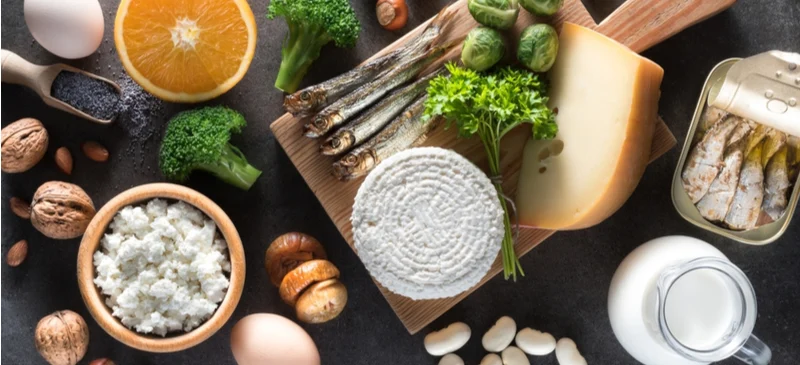
Calcium is an essential mineral for the human body, meaning it’s a nutrient we must obtain from our diets in order to maintain normal bodily functions. While calcium is best known for building strong bones, it does much more than that; it’s also involved in cardiovascular health and plays a role in nerve signaling, muscle contractions and blood clotting.
As we age, both men and women should focus on promoting healthy bones and bone density, but women may particularly want to promote and maintain healthy bones for several reasons, such as normal changes in hormone production which naturally affects bones as well.
It’s crucial for older women to get adequate calcium to help maintain bone health and for promoting a healthy cardiovascular system — in addition to an overall healthy diet and lifestyle, including regular exercise that also integrates weight-bearing exercises.
In this article, learn why if you’re a woman, especially if you’re over 40 and approaching perimenopause, you should emphasize high-calcium foods in your diet and consider taking a daily calcium supplement for extra support.
Why is calcium so important for women?
Calcium is a chemical element and a vital mineral that’s found in a variety of foods, such as dairy products, vegetables, and some fish, beans, and nuts. Within the human body, approximately 99 percent of the body's calcium is stored in the bones and teeth.
Calcium has several important functions in women's health, especially for young women who are growing and developing, and also for women who are years 40+ years old.
While it's certainly possible to meet your calcium needs through a nutrient-dense diet, calcium is a common nutrient shortfall for women. Today’s soil contains less calcium and that means the calcium levels in foods are also declining. If you consume less dairy because of a lactose intolerance or dietary reason (such as being a vegan), you’re also more likely to have a calcium shortfall.
Women older than 50 years are considered to be most likely to have low calcium levels. Even for those who consume calcium-rich foods and a calcium supplement, some people still fall short of getting enough calcium.
Women require a relatively high amount of this mineral in comparison to many other trace minerals. For example, calcium is needed for healthy bone development, including to age 30. After that age, it remains important for bone strength and integrity as well as heart health, muscle function and normal hormone secretion.
In fact, studies show that if you don’t get enough calcium, your body will actually take it from your bones for your heart and muscles.
Benefits of calcium for women
Here are some of the benefits of acquiring enough calcium, particularly for women in their 40s through 70s:
1. Bone/skeletal health
Calcium is essential for maintaining bone health throughout life. It's particularly crucial during periods of growth (such as adolescence) and during pregnancy and breastfeeding. Postmenopausal women are also among those who should be consuming calcium-rich foods in their diets, due to the natural changes that occur during that time.
On average, women live longer than men, and a longer lifespan means there's more time to focus on bone health. Adequate calcium intake as well as other bone health-friendly nutrients, such as vitamin D, magnesium, vitamin K and more can help maintain bone health.
2. Cardiovascular health
Calcium is essential for heart muscles and the nervous system to function correctly. Nerve, heart and blood vessel health can be of special interest to older women and men; therefore, increasing calcium intake may be beneficial.
3. Healthy weight management
Some research indicates that calcium, especially in combination with vitamin D, may aid in supporting healthy weight management (in conjunction with an overall healthy diet and regular exercise), though results are mixed and more research is needed.
For example, yogurt, a high-calcium food, is thought to help adults maintain a healthy body weight more easily.
How much calcium per day do women require?
The Recommended Dietary Allowance (RDA) for calcium varies by age and sex, but for women aged 19–50, it's 1,000 mg per day. For women over 50, calcium needs increase to 1,200 mg per day.
How easy is it to get 1,200 mg of calcium per day? One cup (8 ounces) of regular yogurt contains about 300–450 mg of calcium, or about one-quarter of an adult woman’s daily needs. One cup of cooked spinach has about 250 mg calcium, while one cup of fortified cereals (such as bran flakes) has about 1000 mg.
As you can see, it’s certainly possible to meet your calcium needs through a nutrient-dense diet. That being said, calcium is one of the most popular supplements for women because it's a common nutrient shortfall and also because some women avoid higher-calcium foods such as dairy products or fish.
If you don’t eat a very varied diet and/or you’re wanting to support your bone health, consider making calcium one of the vitamins and minerals you take daily.
Top calcium-rich foods
A healthy, balanced diet is the best way to get calcium, although the addition of a daily supplement can also help.
Foods that are high in calcium include:
Dairy products like organic milk, cheese and unsweetened yogurt.
Leafy green vegetables like kale, spinach, collard greens and broccoli.
Fish with edible bones, such as sardines and canned salmon.
Certain types of beans and nuts, like almonds and white beans.
Fortified foods, such as some types of bread, juices, cereals and plant-based milk alternatives like almond milk.
Oranges.
Remember, it's not just about how much calcium you consume but also how well it's absorbed. Factors such as vitamin D intake, physical activity and overall diet can influence calcium absorption and utilization.
Note that it's particularly helpful to pair calcium with vitamin D to assist in absorption. Vitamin D can be obtained from sunlight exposure on your bare skin, as well as limited food sources like fatty fish, fortified dairy products and egg yolks.
Best calcium supplements
When it comes to choosing a calcium supplement, there are a few things to consider, such as the type of calcium, the dosage, and whether it’s combined with vitamin D. Note that calcium does not appear in a significant amount in any multivitamin because it’d make the multi size too large.
The type of calcium used in the supplement can affect how well it's absorbed. Two common forms found in many supplements are calcium carbonate and calcium citrate. Generally speaking, calcium carbonate is less expensive to produce and has more calcium per pill, but it's best absorbed with food. Calcium citrate is absorbed well on an empty or full stomach.
It's also important to note that the body can only absorb a limited amount of calcium at once, so it's best to spread your intake throughout the day. Many supplements also include vitamin D, which aids in calcium absorption.
In general, it’s best to use a body-ready, food-sourced form of calcium made without dairy like Ancient Nutrition’s Ancient Nutrients Calcium. It also features vitamin D3 (500 mcg, which is 250% DV) and vitamin K2 (90 mcg, which is 75% DV), which act as a supporting role in the body’s absorption of calcium.
Each serving (3 capsules) provides 574 mg of food-form calcium from non-dairy sources (such as organic eggshells), making it a great option for those who avoid dairy.
Taking this calcium supplement daily can help support bone health, healthy cardiovascular function, healthy immune system function and healthy energy levels.
It's also powered by time-tested superfoods and adaptogens that support gut health.
As with any supplement, it’s recommended that you consult with a healthcare provider before starting any product or regimen, especially if you take medications or have an existing condition.
Related Articles
October 22, 2026
|health
Grocery List for Optimal Health
Grocery shopping is a task that most of us do, often once a week. Often, we do not only grocery shop at usually the same store (or stores), we do it in roughly the same way each trip — in terms of which parts of the store we visit first, the foods we put into our cart, even the amount of time we spend. Some of us are fast shoppers, some are quick; some of us love grocery shopping while others dread it.
October 4, 2026
|health
Collagen Benefits for Women: Skin, Hair, Joints & Gut
Considering it’s the most abundant type of protein found in the body, collagen has plenty to offer women, especially those who are aging normally and want to support mobility, their appearance and general joint comfort.
October 28, 2026
|health
Pregnancy & Postpartum Exercise Plan
When a woman gets pregnant, there are so … many … questions. While I’m not qualified to answer all of the health ones, I can certainly tackle the questions about exercising during and after pregnancy, as I’m a certified personal trainer, a mother and currently pregnant!
May 7, 2025
|health
Women's Hormone Balance: Best Foods, Lifestyle Changes and Supplements
You can think of hormones as your body’s “chemical messengers,” since they are constantly sending information to and from your brain that help to control a variety of important processes. Whether or not your hormones are “in balance” can affect your overall outlook, energy, metabolism, libido, menstrual cycle and much more.




- © 2010-26 Ancient Brands, LLC. All rights reserved.
- Terms of Use
- Privacy Policy
- CPRA Privacy Policy/Notice of Collection
- Do Not Sell or Share My Personal Information
- Consumer Health Data Privacy Policy