

Shop by Goal
Shop by Category
Shop by Ingredient
Here's 10$ off from your friend
Discount code copied!
* This offer expires in 3 days
Home/Blog/Estrobolome: How to Support the Gut Microbiome–Estrogen Connection
Estrobolome: How to Support the Gut Microbiome–Estrogen Connection
By Dr. Jessi Grajczyk, DO, OB/GYN
August 22, 2026
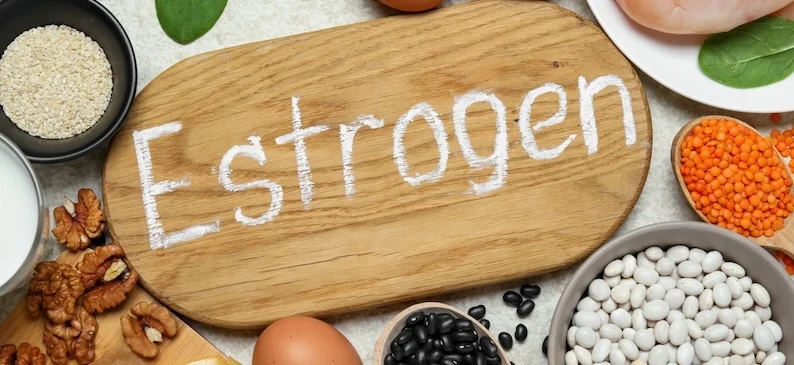
The estrobolome is one of the fastest-growing topics in women's health because it connects the gut microbiome with estrogen metabolism. While more of us are aware of the gut microbiome and its importance to our overall health, less is known about the estrobolome.
Estrogen metabolism is the process by which the body produces, uses, breaks down and eliminates estrogen. This carefully regulated cycle helps maintain healthy hormone levels throughout a woman's life.
Estrogen levels naturally fluctuate throughout a woman's life and are closely linked with gut health, creating a two-way relationship rather than a one-way process.
What is the estrobolome?
The estrobolome is the collection of gut bacteria and other microorganisms that help regulate how estrogen is metabolized in the body.
After estrogen has done its job, the liver prepares it for elimination by attaching it to other compounds. The estrogen then travels to the intestines, where the estrobolome comes into play.
Certain beneficial gut bacteria produce an enzyme called beta-glucuronidase, which can reactivate some estrogen so it can be reabsorbed into the bloodstream when appropriate. Other estrogen is excreted from the body in stool.
Maintaining a healthy balance of these bacteria helps support normal estrogen metabolism.
When the estrobolome is well balanced, it may help support healthy estrogen levels and contribute to overall hormonal health.
Estrobolome vs. gut microbiome
The estrobolome is a specialized part of the gut microbiome that influences how estrogen is broken down, recycled and eliminated — making it an important factor in women's hormonal health.
Estrobolome Imbalance (Dysbiosis)
If the gut microbiome becomes imbalanced — known as dysbiosis — estrogen metabolism may also be affected. Researchers are investigating how disruptions to the estrobolome may be associated with hormone-related concerns, though much of this research is still emerging and does not establish cause and effect.
Signs of estrobolome imbalance may include:
Digestive issues such as occasional bloating, gas or constipation
Irregular bowel movements, which may reduce estrogen elimination
Gut impacts
Impacts to menstrual cycle regularity
More pronounced female-related symptoms
Hot flashes or other menopausal symptoms
Unexplained weight changes, particularly around the midsection
Occasional fatigue or low energy
Hormone-related skin changes
Mood changes, including occasional irritability or anxiousness
Vaginal or urinary tract impacts
Food sensitivities or digestive discomfort after certain foods
It's important to note that many of these symptoms can have numerous causes.
How to support the estrobolome
To provide support for your estrobolome and a healthy estrogen metabolism, you want to have a well-functioning liver, a balanced gut microbiome and a healthy gut lining, along with regular bowel movements to eliminate excess estrogen.
Here are ways to help support those mechanisms:
1. Estrobolome-supporting foods
Follow a Mediterranean-style eating plan, emphasizing cruciferous vegetables, polyphenol foods, prebiotic foods and resistant starch to support microbiome health and estrogen metabolism.
Cruciferous vegetables — like broccoli, Brussels sprouts, cauliflower, cabbage and hearty leafy greens like kale and collard greens — are best known for containing glucosinolates, which are broken down into bioactive compounds during chewing and digestion. These vegetables are often recommended as part of a healthy diet and are being studied for their potential role in supporting normal estrogen metabolism and overall health.
Consuming polyphenol-rich foods such as berries, green tea, and extra virgin olive oil may help support the estrobolome by promoting a healthy, diverse gut microbiome.
Prebiotic foods are rich in fibers and other compounds that feed beneficial gut bacteria and may, in turn, support healthy estrogen metabolism. Options include garlic, Jerusalem artichoke, leeks, onions, jicama, asparagus and slightly underripe bananas. Consume raw or only lightly cooked.
2. Consume more fiber
While research on the estrobolome is still evolving, a fiber-rich diet appears to be one of the most effective dietary strategies for supporting this gut-hormone connection.
Fiber feeds the estrobolome, as many of these beneficial microbes rely on dietary fiber as a food source. A diet rich in fiber encourages the growth of beneficial bacteria in the estrobolome while supporting overall microbial diversity.
Fiber also supports estrogen elimination, helping to promote regular bowel movements and allowing excess estrogen to be excreted in stool. Without adequate fiber — or if occasional constipation is an issue — estrogen may spend more time in the intestines, increasing the opportunity for some of it to be reabsorbed into the bloodstream.
Aim to consume 25–35 grams of fiber daily, including diverse plant foods like berries, vegetables, legumes, nuts and seeds.
3. Have more probiotic foods
Fermented foods are full of probiotics and can help support a healthy, diverse gut microbiome, which in turn may support normal estrogen metabolism. Some of the best options include kefir, sauerkraut, kimchi, tempeh and fermented pickles.
Eating fermented foods alongside a fiber-rich, plant-forward diet is one of the most evidence-based ways to support both gut health and normal hormone metabolism.
4. Consider certain supplements
There is no supplement specifically approved or proven to support the estrobolome. However, several types of supplements may help support a healthy gut, which are closely connected.
Probiotics introduce beneficial microorganisms that may help maintain a healthy balance of gut bacteria. A diverse gut microbiome supports overall health.
Look for products that contain well-studied strains of Lactobacillus and Bifidobacterium, which have been extensively researched for digestive health. Ancient Nutrition’s SBO Probiotics Women's contains both of these strains and also features some of history’s most-respected superfoods for women.
If you struggle to get enough fiber from food, fiber supplements can help increase your daily intake and promote regular bowel movements, which are important for overall female health. Ancient Nutrition’s Organic Fiber is gentle-acting and reduces occasional bloating, gas and abdominal discomfort while also promoting proper digestion and nutrient absorption.
5. Create certain lifestyle habits
Healthy lifestyle habits help create an environment that supports a healthy, diverse gut microbiome. Since the estrobolome is part of that microbiome, these habits may also help support normal estrogen metabolism and overall women's health.
Exercise: Regular physical activity supports the estrobolome by promoting a healthier, more diverse gut microbiome. Research suggests that exercise can increase microbial diversity, support digestive function,and help maintain regular bowel movements, all of which contribute to normal estrogen metabolism.
Sleep: Getting enough quality sleep (7 to 9 hours) helps support the gut microbiome and overall hormonal health. Poor sleep has been associated with changes in the composition of the gut microbiome, increased inflammation and disruptions to normal hormone regulation.
Stress management: Excessive stress can affect the communication between the brain and the gut through the gut-brain axis. Elevated stress hormones may alter the balance of the gut microbiome, increase inflammation and affect digestive function. Managing stress through activities such as meditation, deep breathing, yoga, spending time outdoors or regular exercise may help support both gut health and the estrobolome.
Alcohol: Heavy or frequent alcohol consumption can disrupt the balance of the gut microbiome, impair the gut barrier and promote inflammation. These changes may affect the microbial community involved in estrogen metabolism. Limiting alcohol intake and following moderation guidelines can help support both gut and overall health.
Antibiotics: Antibiotics are sometimes necessary, but they can also reduce beneficial gut bacteria along with harmful ones. Because the estrobolome is part of the gut microbiome, repeated or unnecessary antibiotic use may temporarily disrupt estrogen metabolism by reducing microbial diversity.
Please note that while general healthy practices like Mediterranean diet and consuming probiotics are beneficial, some patients may need more comprehensive testing and functional medicine approaches to address gut health issues that affect weight management and hormone balance.

Dr. Jessi Grajczyk, D.O. (doctor of osteopathic medicine) and OB/GYN (obstetrician-gynecologist), is a Wellness Roundtable member and Ancient Nutrition Paid Partner. Hailing from North Dakota, her strong family roots influenced her approach to practicing medicine, always seeking to find a balance between traditional and alternative methods of healing.
Related Articles
July 22, 2026
|health
Want a Healthy Response to Inflammation? Best Foods and Supplements
The natural inflammation process impacts overall health, including the heart, brain, liver, joints and digestive system. This includes so-called inflammaging, which is inflammation associated with normal aging.
August 16, 2026
|health
16 Easy-to-Digest Foods & 7 to Avoid
When you’re focusing on overall healthy digestion, eating certain foods and avoiding others can make a big difference in how well you digest what you consume. Some foods are easier to digest than others based on their ingredients and the amounts of different nutrients they contain.
August 15, 2026
|health
How to Help Prevent Injuries
Injuries. We don’t really spend much time worrying about them when we’re younger, for our bodies are typically able to overcome them relatively quickly. As we age, however, an injury can not only occur more easily, it can persist considerably longer — keeping us from our favorite activities, causing occasional pain and discomfort, even compromising our quality of life.
August 12, 2026
|health
Pelvic Floor Exercises: How to Support Pelvic Floor Health for Women & Men
Pelvic floor exercises are often associated with kegels, pregnancy or postpartum recovery. But pelvic floor health is important for both women and men, and there’s much more to a healthy pelvic floor than simply making these muscles stronger.




- © 2010-26 Ancient Brands, LLC. All rights reserved.
- Terms of Use
- Privacy Policy
- CPRA Privacy Policy/Notice of Collection
- Do Not Sell or Share My Personal Information
- Consumer Health Data Privacy Policy