

Shop by Goal
Shop by Category
Shop by Ingredient

Here's 10$ off from your friend
Discount code copied!
* This offer expires in 3 days
Home/Blog/5 Best Exercises for Women
5 Best Exercises for Women
By Julia Morgan, DC
October 8, 2026
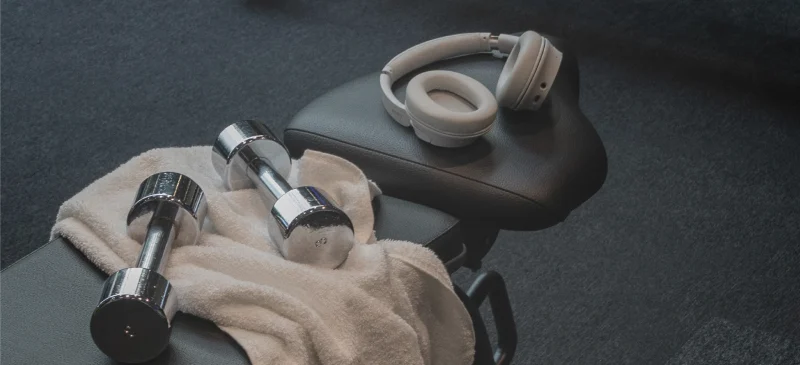
It’s becoming a louder recommendation for women: Lift weights. It’s issued more frequently because many women simply don’t do it. Below I spell out why it’s important for women to strength train, and then break down the best exercises for women as well.
The No. 1 reason why most of us women don’t lift? We think we’re going to get bulky. We conjure up in our head a big, muscular version of ourselves … and it keeps us away from the weights.
But this is a myth. Unless you’re one of those very rare people who put on muscle very easily, you have to very intentionally eat (think: lots of calories) and exercise (think: heavy weights and super low reps and lots of sets) in particular ways for a considerable amount of time.
We also need to expand the definition of being fit, for it’s not just how we look or even feel (which is often great). Fitter is also functional, such as being able to run and grab your child if they run into the middle of the street, and have the muscle capacity and the deceleration components to do that. So many of us don’t have the functional fitness needed in our daily lives. Let’s change that.
The great news? If the goal is to lose fat, gain lean muscle or simply get fitter, the exercises don’t change.
Let’s get into it.
Why to add strength exercises to your workouts
Whether you work out at home or at the gym, there are multiple reasons to strength train 2 to 3 times per week. They include:
You may live longer (according to a 2024 American-Chinese study published in the Journal of the American College of Cardiology)
You develop power, better stability and balance, which is so important to have as you age — helps you respond quickly to changes in your environment and help prevent falling
You increase lean muscle and strength — without strength training, starting at age 30, you can lose 3 to 5 percent of muscle mass per decade, starting as early as age 30 (according to the Office of Women’s Health)
You give your metabolism a bump (studies show that a strength training session can more significantly affect your metabolic rate for the next 48 hours, compared to just two hours for aerobic exercise)
You get joint support, as strength training can both help support and stabilize the joints
Improve bone health (particularly important for women as they approach menopause), as strength training stimulates bone growth and density
You support heart health, as weight training can promote normal blood pressure levels, circulation and cholesterol levels
You get a mood boost, for a 2018 analysis of 30 clinical trials found that mood improved in individuals who trained with weights at least twice a week
You even help your sleep quality, including duration and efficiency, according to research
What are the weakest areas of the body for women?
If you’ve never lifted before, then there may be a number of weak body parts. But even if you already engage in strength training, there may be some overlooked areas.
Speaking generally, most women are stronger in their lower body than their upper body, in part because they’re more motivated to workout their legs.
As a result, the upper body muscle groups often are the least developed. Specifically, that means shoulders, the chest and triceps.
In addition, most people never train their feet/calves but no matter what stage of life, this is always a need to maintain a strong, healthy body.
5 best exercises for women
1. Push-up
Push-ups are a forever favorite of mine, as you can do them anywhere and they’re so functional for building the power I mentioned early. They recruit not just your chest muscles, but also your shoulders, triceps and core.
Why it’s so good for women: Women commonly get arthritis in their first MTP joint and just avoid this exercise because they require your wrist to be in extension. It’s better to work on our deficiencies.
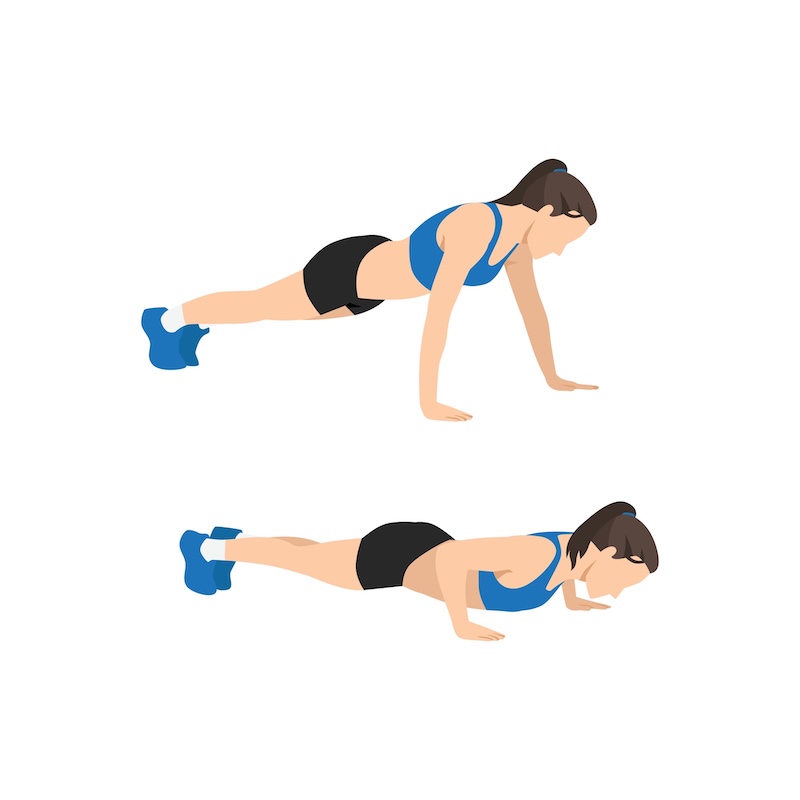
How to do it: Start in a high plank with your hands slightly wider than shoulder-width, lower your body toward the floor while keeping your body in a straight line, then press through your hands to return to the starting position.
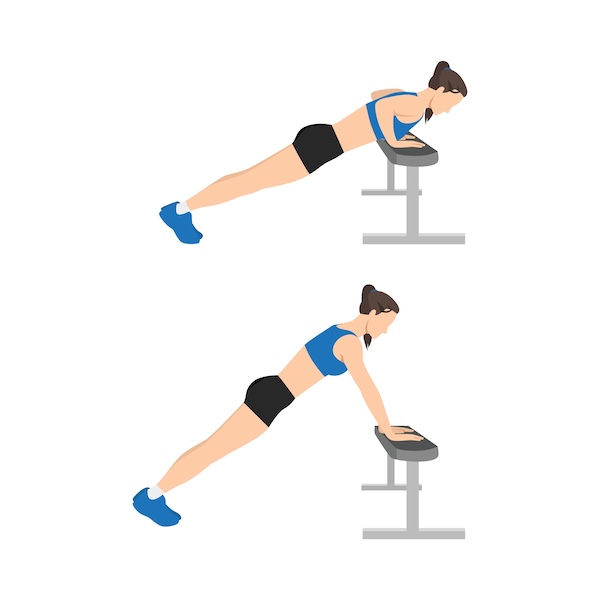
Modified version: For this incline push-up, place your hands slightly wider than shoulder-width on a sturdy bench or elevated surface, extend your legs behind you and keep your body in a straight line. Bend your elbows to lower your chest toward the surface, then push back up to the starting position..
2. Pull-up (or lat pulldown)
You’re again getting a lot for your buck with this move, as a pull-up (can be assisted) or lat pulldown (with machine) works the back, shoulders, biceps and core. Plus, it even helps your grip strength.
Why it’s so good for women: This exercise helps build functional upper-body strength in an area where women often have a lot less muscle mass than men.
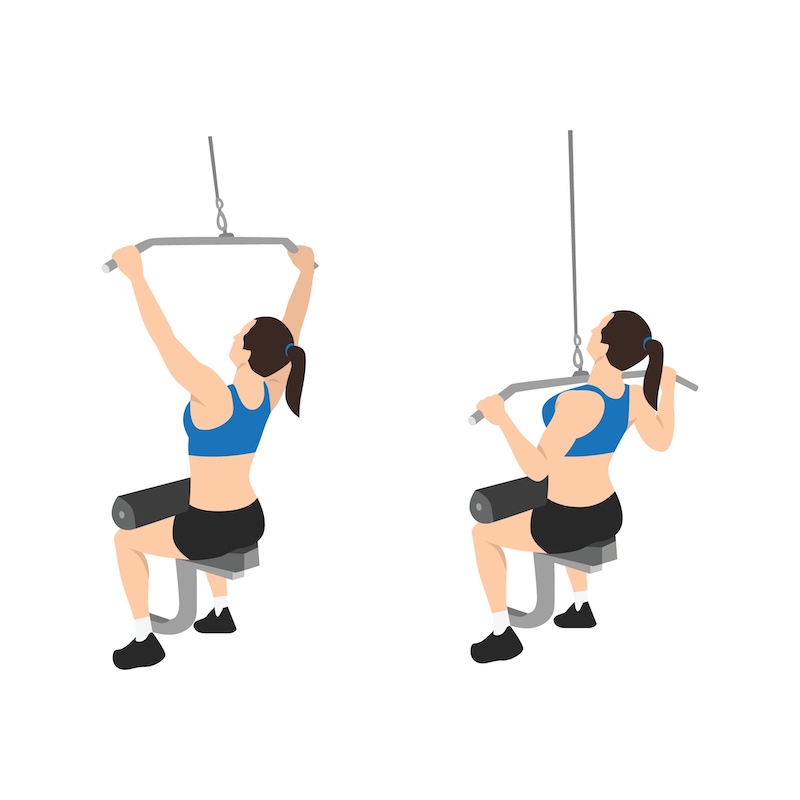
How to do it: For a lat pulldown, grip the bar slightly wider than shoulder-width, brace your core and pull the bar toward your upper chest while driving your elbows down. Slowly return the bar to the starting position and repeat.
3. Overhead press
The best move for the shoulders, but also an exercise that brings in the triceps and forces the core and legs to stabilize.
Why it’s so good for women: The average woman has very weak shoulder muscles because we rarely lift objects over our head, but it’s a functional muscle group, plus it helps our physique look stronger (and be stronger).
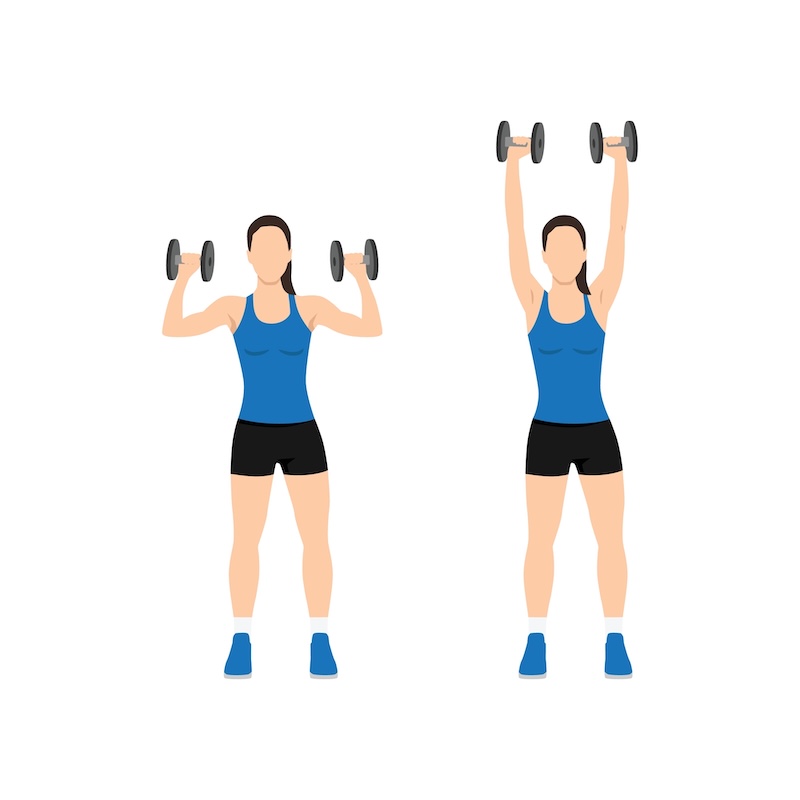
How to do it: Hold a dumbbell in each hand at shoulder height, brace your core and press the weights overhead until your arms are extended. Slowly lower the dumbbells back to shoulder height and repeat.
4. Squat/jumping jacks
The squat is the queen of exercises, for it recruits so many muscles. We’re talking the quads, glutes, the hamstrings, inner and outer thighs, and core. I like a squat jump, too, for foot and ankle strength as well as that “quick twitch” agility that’s so valuable.
Why it’s so good for women: You’re hitting all those muscles but also testing your balance.
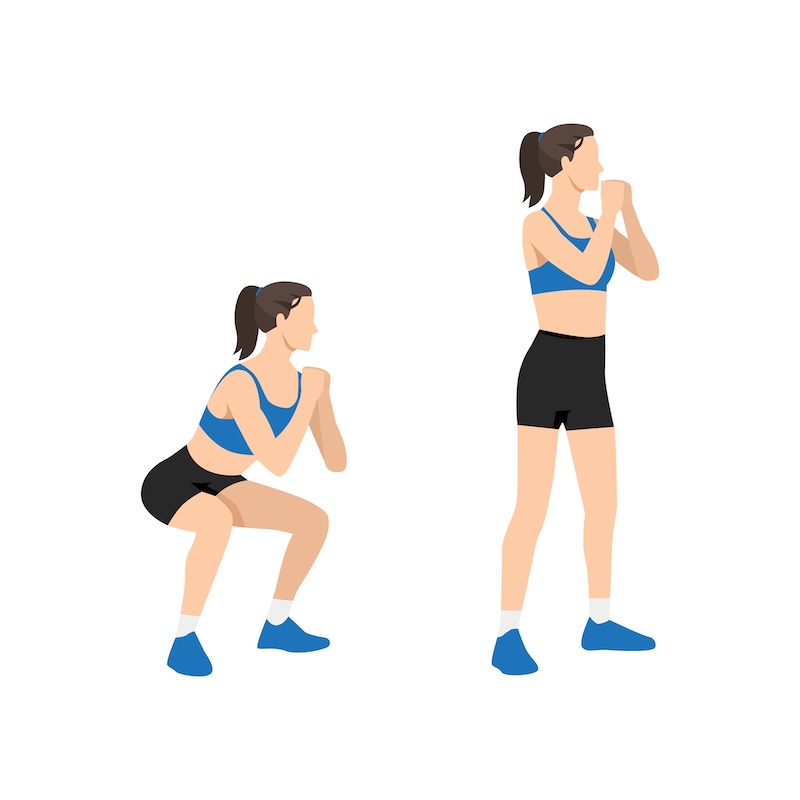
How to do it: Stand with your feet about shoulder-width apart, brace your core and push your hips back as you bend your knees and lower into a squat. Keep your chest up, then press through your feet to return to standing. You can begin with bodyweight squats before progressing to holding dumbbells at your sides.
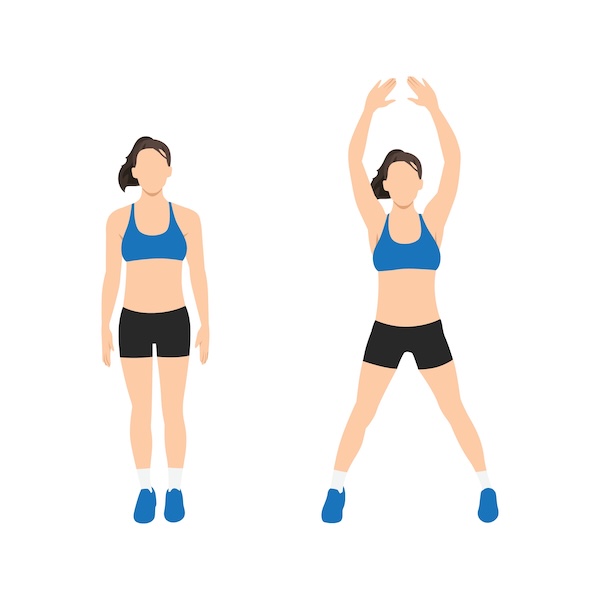
Advanced version: A jumping jack engages your legs, shoulders and core. Start standing with your feet together and arms at your sides. Jump your feet apart while raising your arms overhead, then jump back to the starting position and repeat.
5. Burpee
It’s an advanced move, but I try to get clients to this level because it’s such an effective exercise. You’re basically combining a squat, plank and jump into one move.
Why it’s so good for women: It’s excellent practice to get up and down off the floor, which is something you need throughout life.
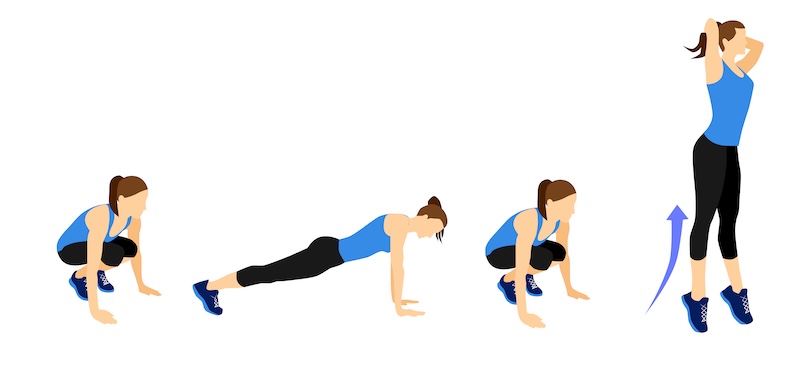
How to do it: From standing, squat down, place your hands on the floor, jump your feet back into a plank, jump them forward again, then explosively jump into the air.
Modified version: From standing, squat down and place your hands on the floor or an elevated surface, step one foot at a time back into a plank, step your feet forward, then stand up instead of jumping.
Frequently asked questions
What's a good exercise program/routine that can incorporate these exercises?
For the average person, 2–3 days a week of strength training (full body is great) and 2–3 days of cardio is perfect. None of these sessions NEED to be an hour long either. Since becoming a mom, I've been loving a 30–40 minute session and get so much out of it.
My ideal week, and what I follow is as follows:
Monday: full body strength (quad and shoulder focused)
Tuesday: outdoor run for 30 minute
Wednesday: full body strength (glutes and chest focused)
Thursday: optional 20–30 minute run
Friday: full body strength (back, biceps, triceps and leg)
Saturday: 30–60 minute run
Sunday: off!
Why run? We’re bipedal creatures, and it's the most effective way to get your heart rate up.
Can’t run? Do Spin class, an elliptical machine, walk hills and more.
Why do you say just 2–3 days of cardio rather than 5 or more?
Realism. I'd rather have people be consistent rather than say, “Oh, my gosh, I have to go out 5 days a week for 45 minutes every time?!” Then they often shut it down and don't do any of it.
What do you think of yoga?
I love it! For around once a week, it can be a useful tool for recovery, mindfulness, stretching and core strength. Just be mindful if you’re a beginner, as some teachers may be too advanced and force your body into positions your body isn’t ready for.
How should women's workouts change as they age?
They shouldn't really. My over 70-year-old mother still does my workouts. She'll just modify some reps, and add more rest as needed.
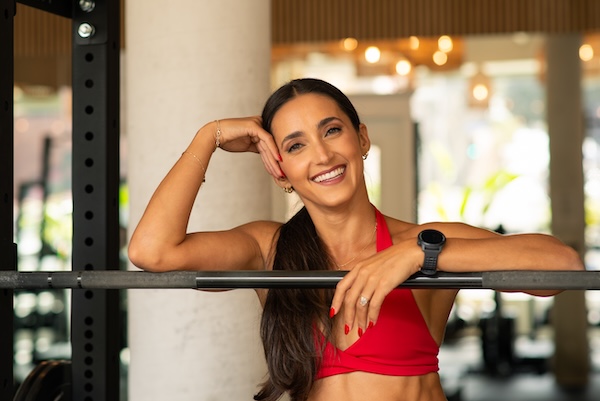
Julia Morgan, DC, is a sports chiropractor, online fitness coach, and RKC kettlebell instructor based in Franklin, Tennessee. She's a paid member of Ancient Nutrition's Wellness Roundtable. You can explore her exercise programs at the playbook app. I believe that identifying the root cause of pain and making sure your body is capable and prepared is key for reaching your highest quality of pain-free living.
Related Articles
October 7, 2026
|health
Vitamin D3 & K2 Benefits: Why They Work Better Together
When we think of vitamins, we often refer to them only by their main letter, such as vitamin C or D. But many vitamins come in various forms, and vitamins D3 (as cholecalciferol) and K2 (as MK-7) are two prime examples that many argue are not only the superior form of each respective vitamin but also happen to work together in some pretty important ways.
October 6, 2026
|health
Normal Iron Levels for Women and Men, Including New Guidelines
Iron is a mineral that’s critical for your blood health, as it helps oxygen move throughout the body via your hemoglobin (part of your red blood cells). Iron also assists your immune system function, helps maintain energy levels and can boost exercise performance.
June 28, 2026
|health
How to Increase Stamina: 10 Ways
Stamina. It’s more than just having energy. It’s about having the physical, or mental, capacity to sustain prolonged effort without folding. In sport circles, we also call it endurance. When it comes to mental stamina, it’s often also called resilience.
July 2, 2025
|health
Top 15 High-Protein Foods
High-protein foods are a crucial component of a balanced diet, as they provide essential amino acids (the “building blocks of protein”) that are necessary for various bodily functions. You need adequate protein for normal muscle repair, hormone production, healthy immune system support and much more. In general, lean high-protein foods are the best muscle-building foods.



- © 2010-26 Ancient Brands, LLC. All rights reserved.
- Terms of Use
- Privacy Policy
- CPRA Privacy Policy/Notice of Collection
- Do Not Sell or Share My Personal Information
- Consumer Health Data Privacy Policy